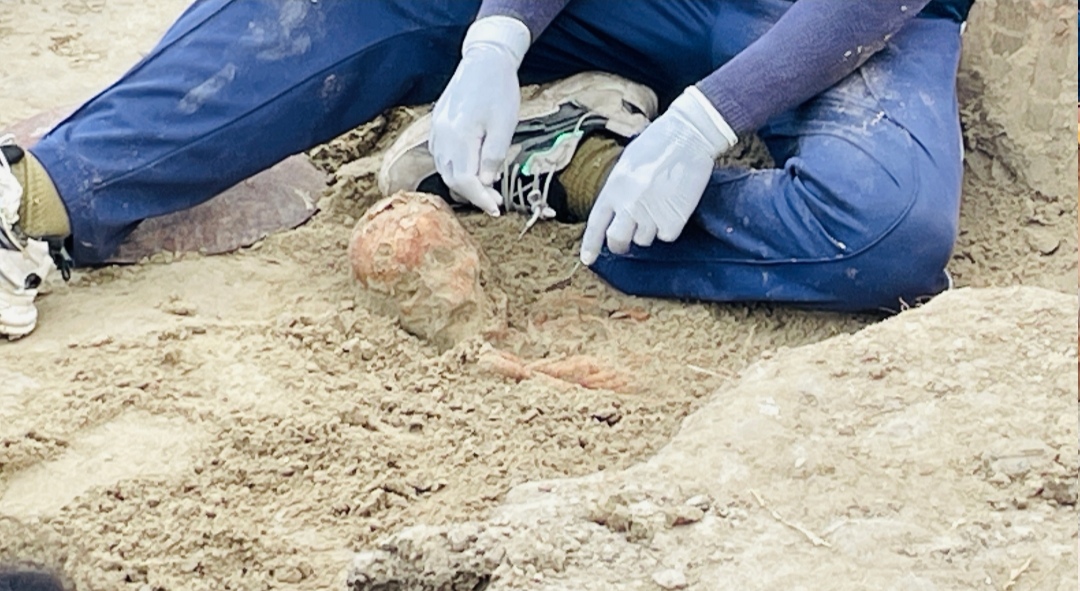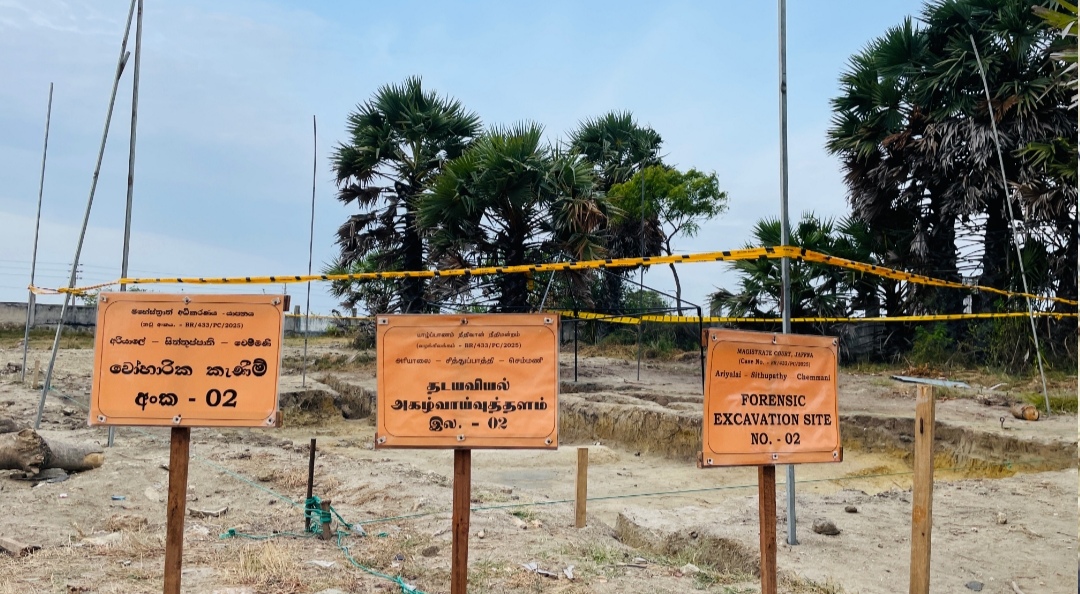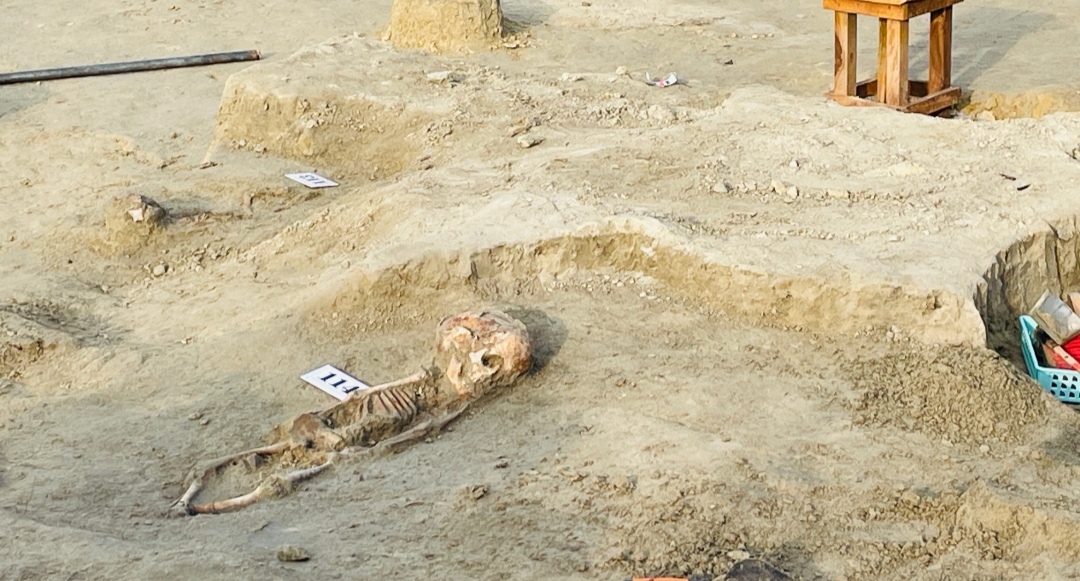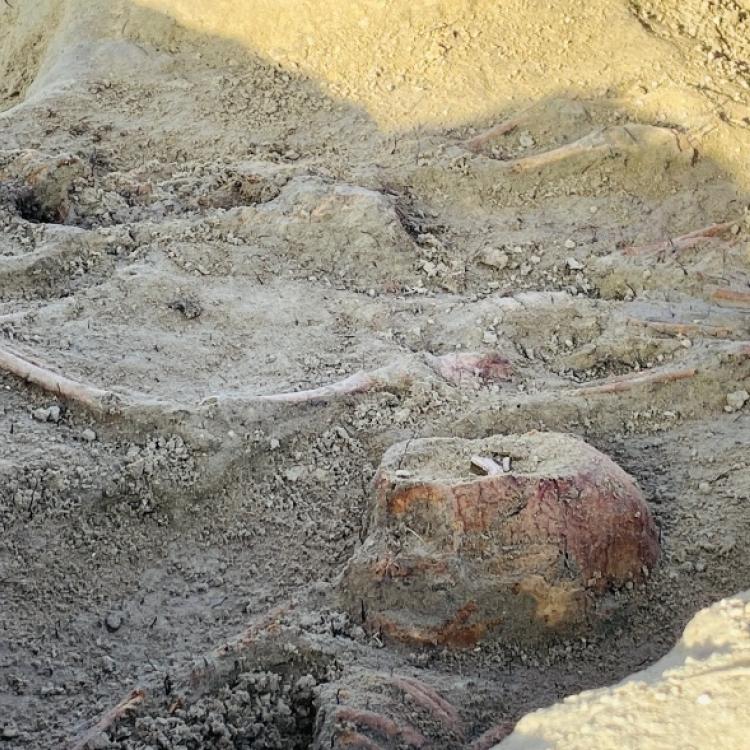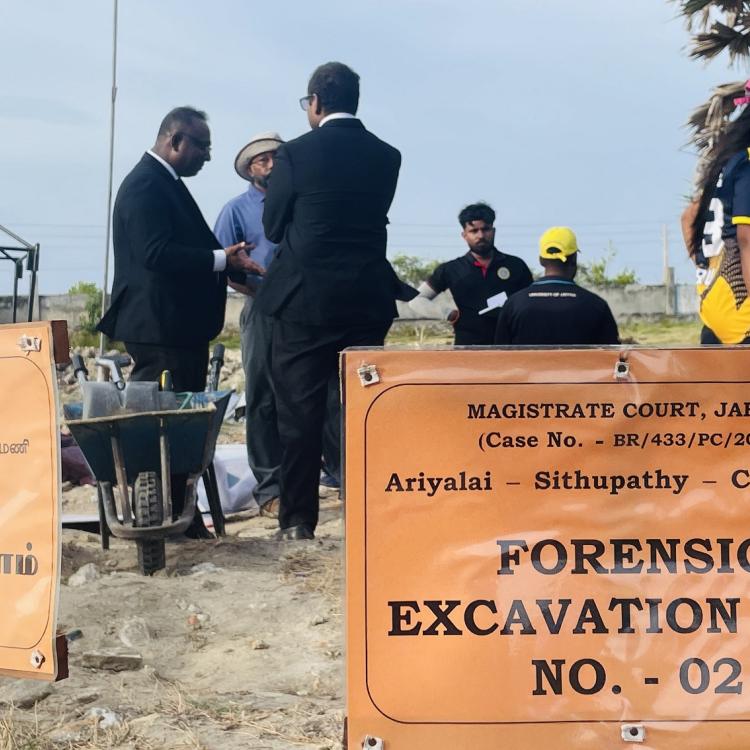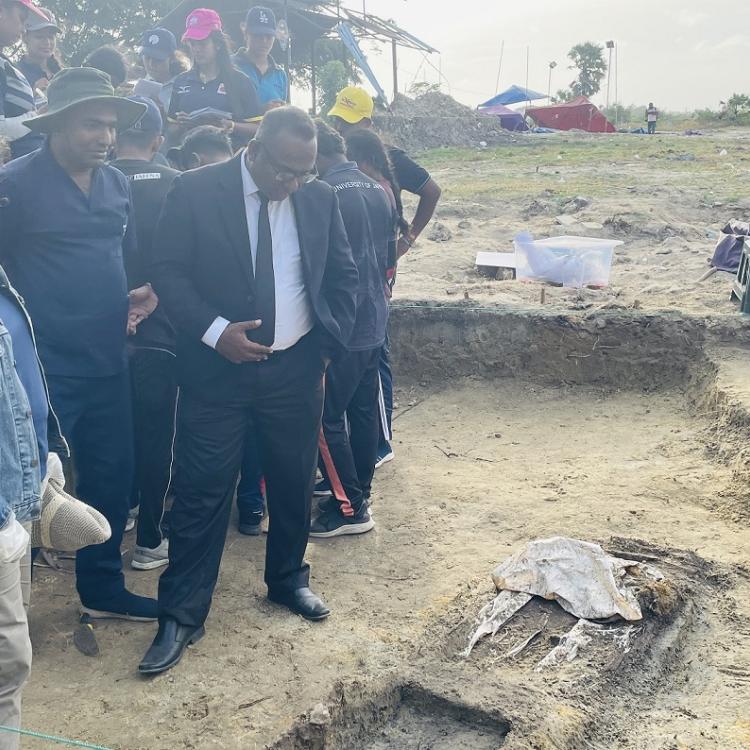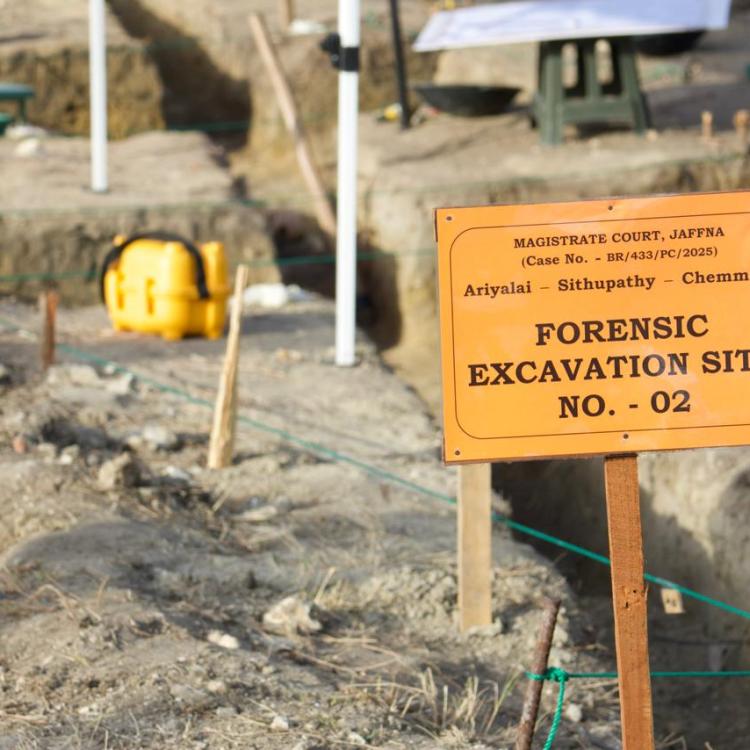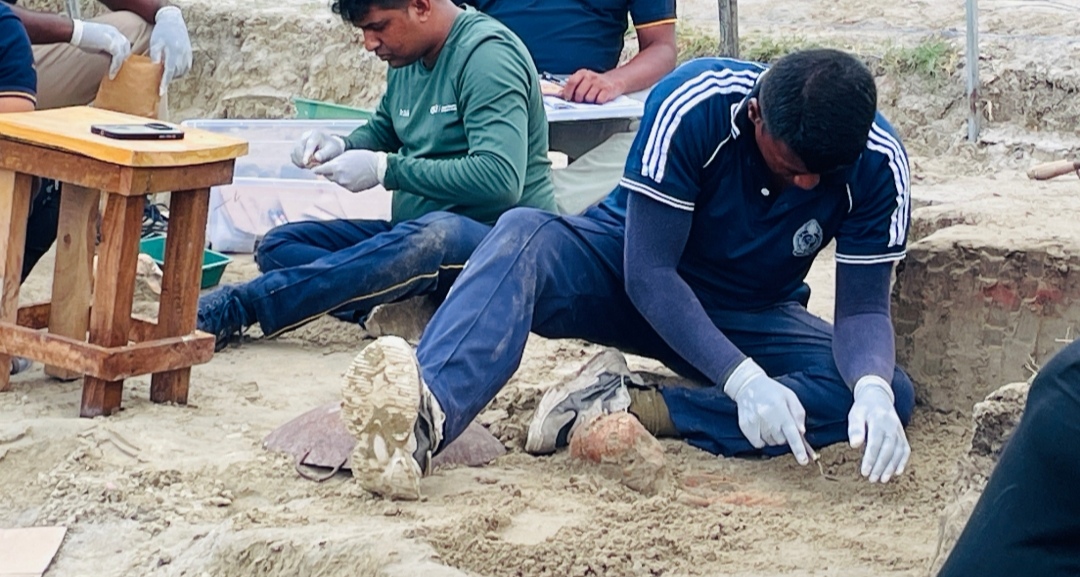
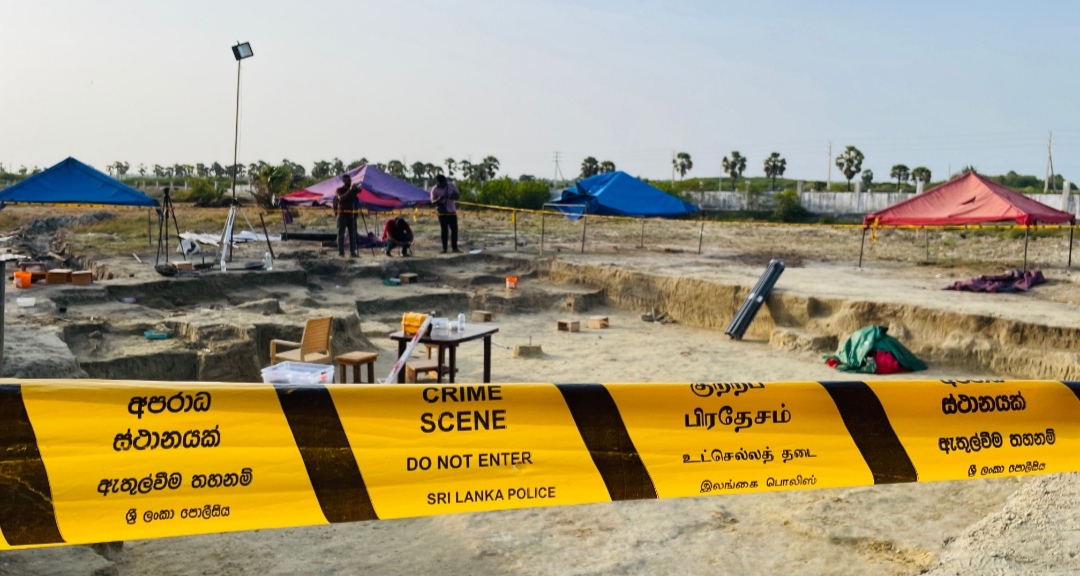
The number of human skeletons uncovered from the mass grave sites in Chemmani, Jaffna, has reached 126, with 117 remains fully exhumed, as court-supervised excavations continued this week at two designated forensic sites.
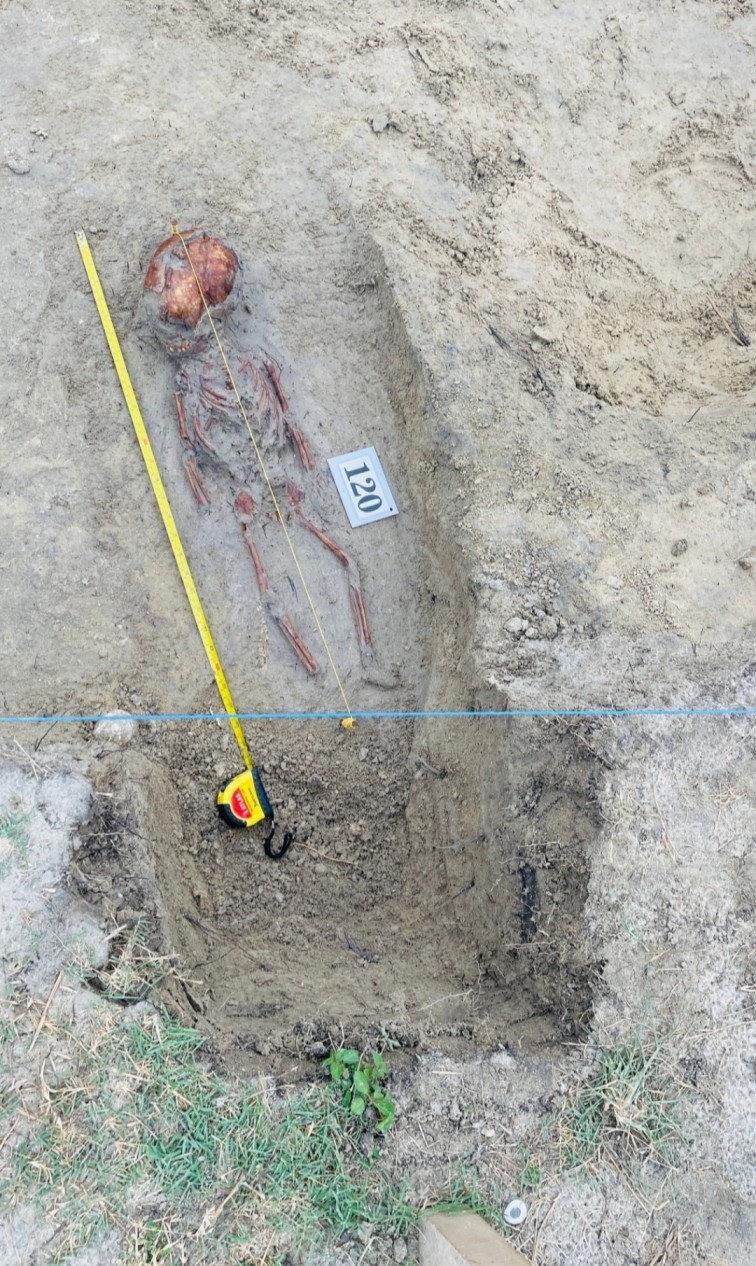
On 2 August, four new skeletal remains were identified, while five previously identified remains were fully exhumed from “Forensic Excavation Site No. 01” and “Forensic Excavation Site No. 02.” The excavations, carried out under judicial supervision, form part of the second phase of a 45-day court-mandated forensic operation. As of that day, 52 skeletons had been fully exhumed in this second segment alone.
The previous day, four additional sets of remains were identified, and seven more previously uncovered assemblages were completely exhumed.
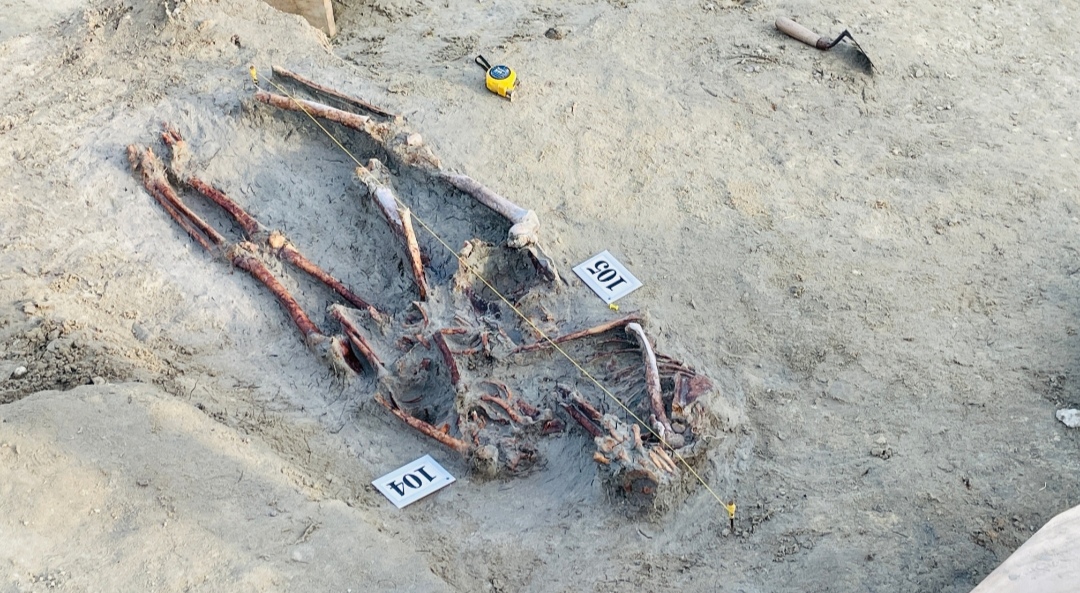
That brought the total number of exhumed skeletal remains to 117, out of 126 that have been identified overall since the excavations began.
The Chemmani mass graves were first brought to international attention in 1998, following a confession by Sri Lankan army soldier Somaratne Rajapakse, the site was identified as a location where Tamil civilians were abducted, killed, and buried.
A smaller grave was exhumed in 1999, revealing 15 skeletons, but the broader claims, that hundreds more were buried, were left uninvestigated for over two decades. This latest excavation, the most extensive to date, continues to unearth chilling evidence of alleged state-sanctioned mass killings.
Among the remains uncovered were children’s skeletons, including one set where a small child appeared to be cradled in the arms of an adult.
The International Commission of Jurists (ICJ) has called for international oversight of the Chemmani investigations, stating that the scale of the crimes and the absence of credible domestic accountability mechanisms require forensic and legal standards in line with international human rights law, particularly the Minnesota Protocol.
Despite the growing number of remains, no perpetrators have yet been held accountable. Former Sri Lankan military officials implicated in human rights abuses, including those overseeing military operations in Jaffna during the 1990s, have frequently been promoted or appointed to senior government positions.
Rights groups and families of the disappeared, including the Association of Relatives of the Forcibly Disappeared, have repeatedly called for an independent international investigation, asserting that Sri Lanka’s domestic mechanisms have no credibility. These calls have intensified as more graves are unearthed.