.jpg)
The Divisional Secretary of Valikamam North has issued a formal written notice to the chief monk of the Thaiyiddy Buddhist vihara, ordering him to immediately vacate land identified as illegally encroached, or face legal consequences.
The warning, delivered by Divisional Secretary S. Sukirthan, was addressed to Chief Monk Jindotta Nandaramma, following a complaint that another unauthorised structure is reportedly being constructed on the premises of the already-illegal Buddhist temple in Thaiyiddy, situated in the Valikamam North region of Jaffna.
The letter requests that the monk provide any legal documentation proving ownership of the land in question. If such documentation is not submitted, the monk has been instructed to vacate the property without delay. The Divisional Secretariat stressed that legal action will be initiated should the instruction be ignored.
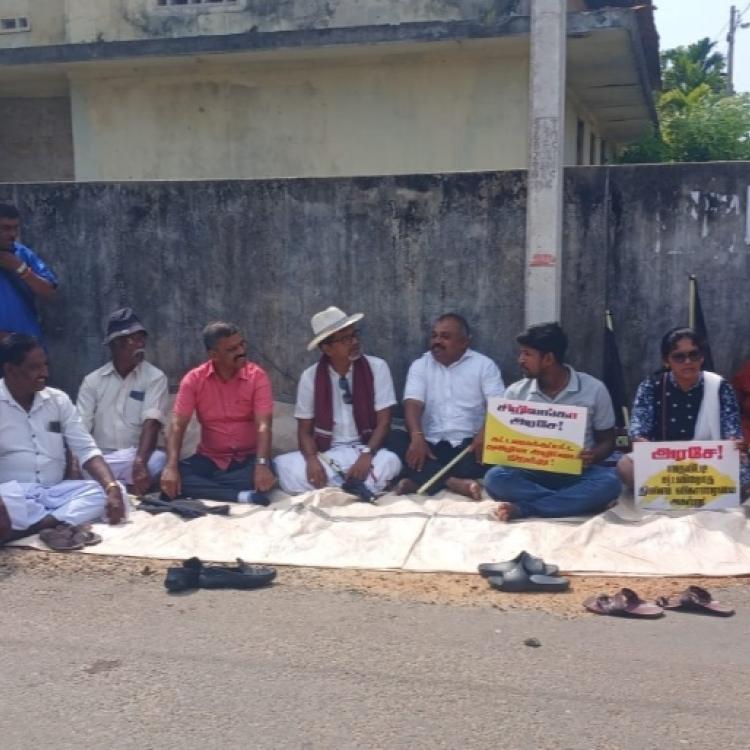
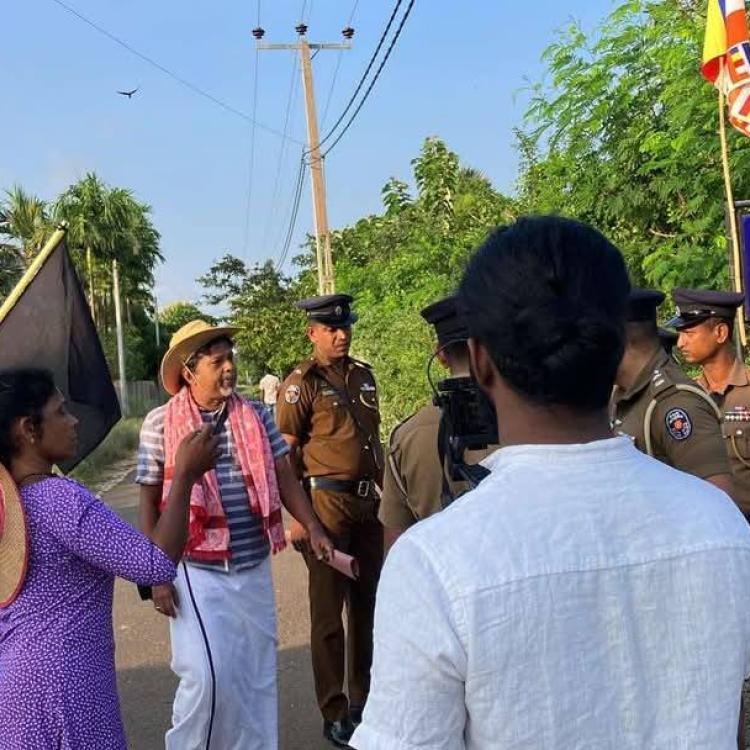
Concerns have also been raised by the Valikamam North Pradeshiya Sabha over the potential expansion of the Thaiyiddy Vihara. During its monthly session, the body discussed the issue of unauthorised construction at the site, which has been the subject of local tension for several months.
.jpg)
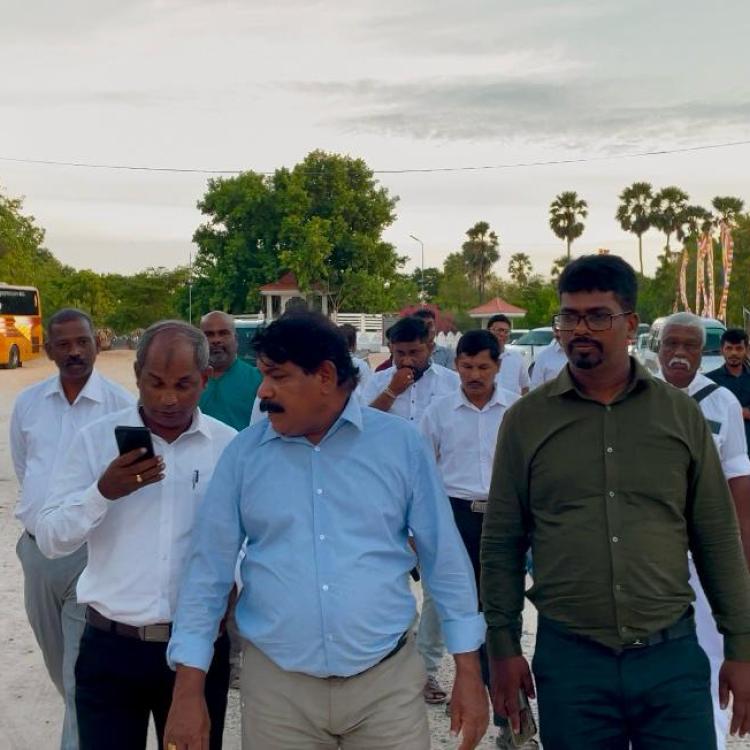
Following the meeting, a group of councillors led by Sabha Chairman S. Sugirthan visited the site, where they observed what appeared to be a foundation trench or structure resembling the base for a new building within the premises of the disputed temple.
.jpg)
According to the Chairman, no formal application for new construction approval has been submitted by the monk to the local council, raising suspicions that the building may have already been initiated illegally. As a result, the Pradeshiya Sabha will be issuing an official letter to the monk seeking an explanation regarding the new structure and clarifying whether any further unauthorised activities are underway.
Tamil residents and local officials have repeatedly denounced its construction as an act of state-sanctioned land appropriation, particularly in the Tamil North-East where Buddhist structures are often built and maintained by the Sri Lankan military or Sinhala Buddhist clergy, despite little to no local Buddhist population.