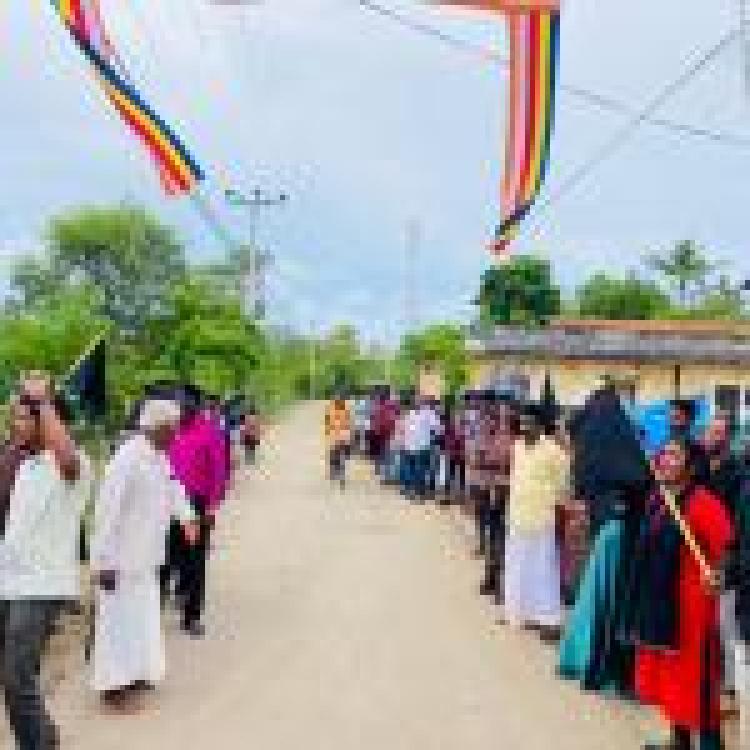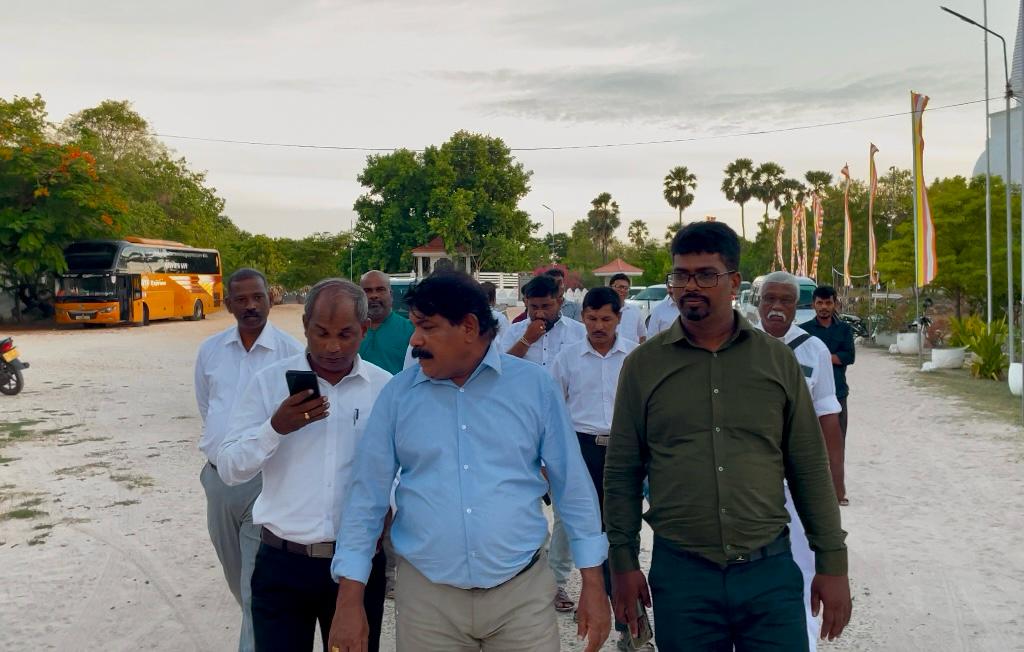
A covert visit by Sri Lanka’s Fisheries Minister Ramalingam Chandrasekar and Jaffna District Secretary M. Pradeepan to an unauthorised Buddhist vihara in Thaiyiddy has triggered a strong backlash from the Valikamam North Pradeshiya Sabha, after the officials failed to notify local authorities in advance.
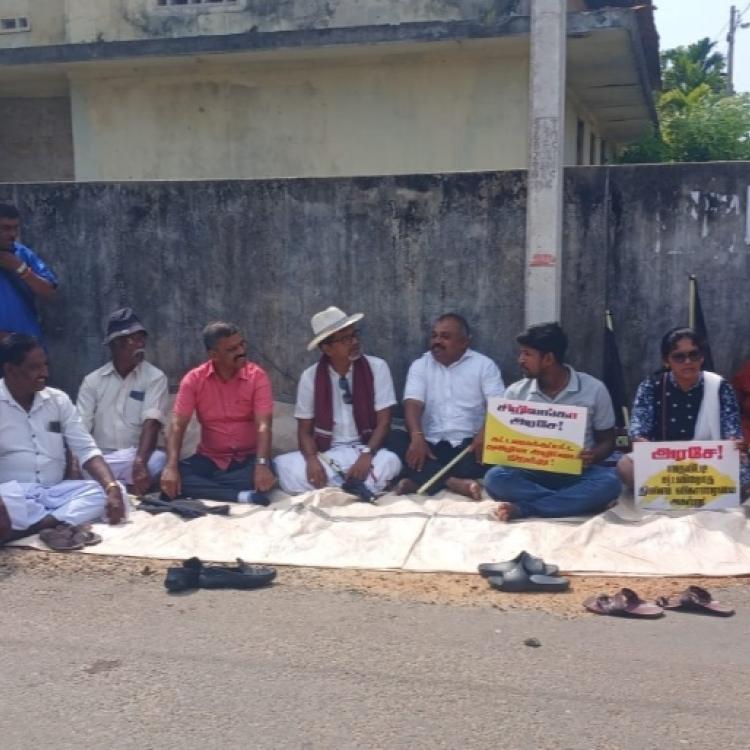
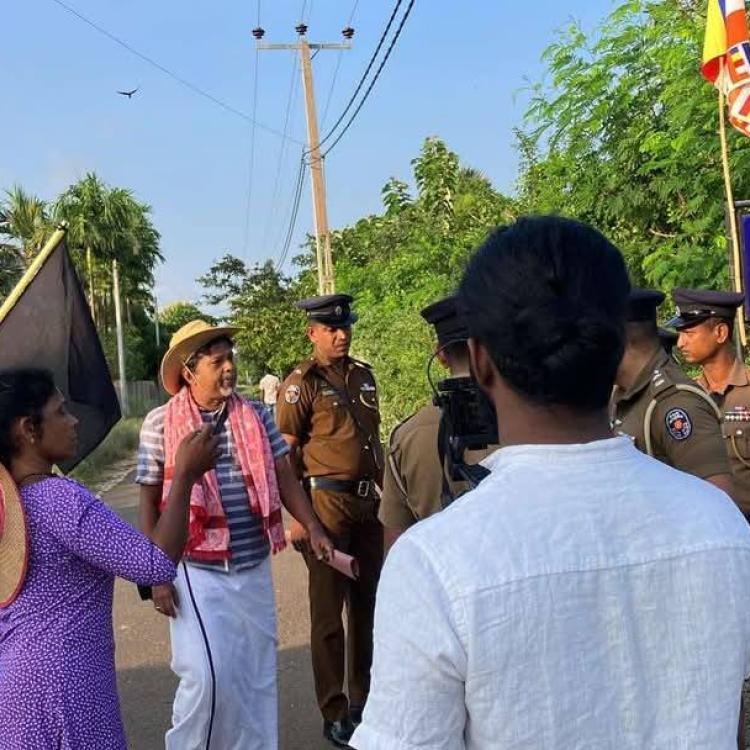
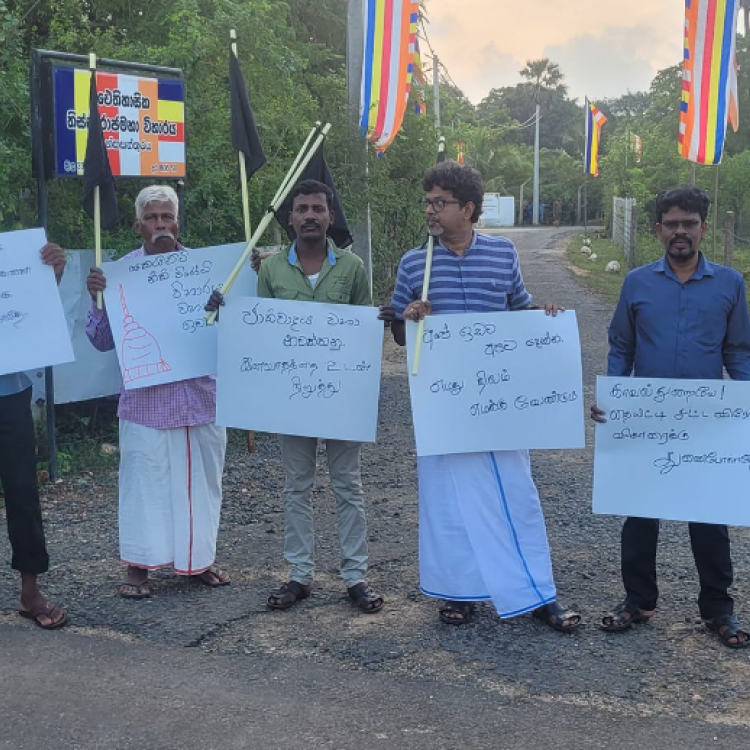
The visit took place late on Thursday evening and remained undisclosed until members of the local council, including its chairman, arrived at the site following the conclusion of their scheduled monthly meeting. To their surprise, they found the ministerial delegation already present at the contentious vihara, which has been at the centre of long-standing disputes over illegal Buddhist construction in the predominantly Tamil area.
Council members expressed outrage over the secrecy of the visit and questioned why such an engagement had been kept hidden from local representatives. Within the council, members reportedly demanded answers as to why the minister and district secretary chose to carry out the visit without coordination or transparency.
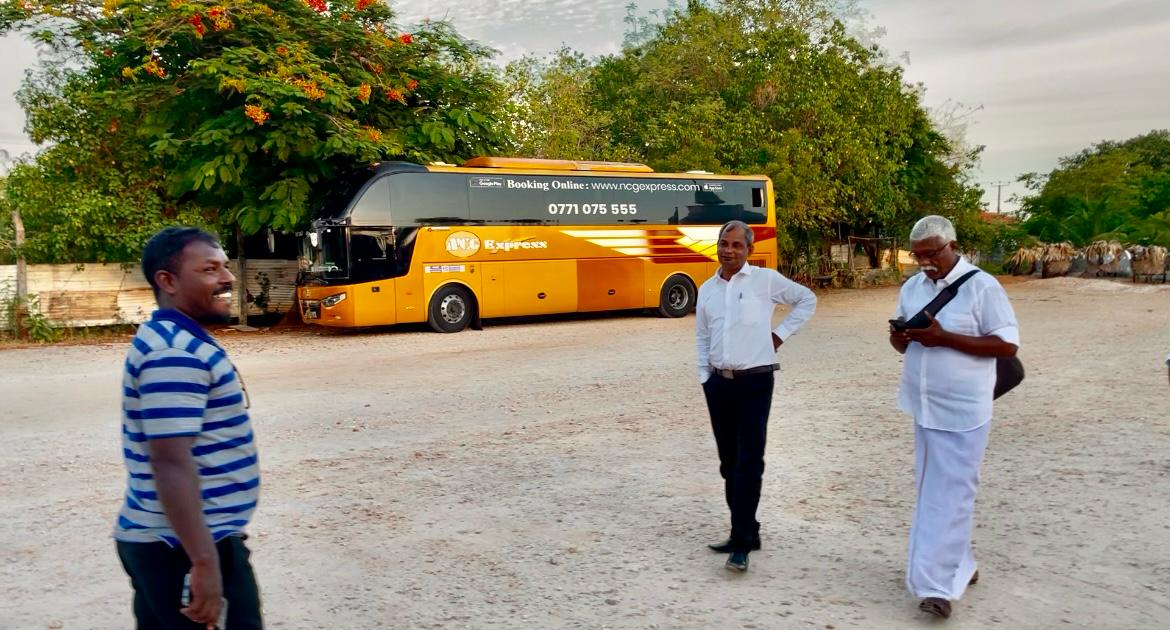
Speaking briefly to the media at the scene, Minister Chandrasekar claimed that “decisive steps” were underway to resolve the Thaiyiddy vihara issue. However, no further details were provided, and the purpose of the visit remains unclear.
What has fuelled further suspicion is that the visit was not mentioned by either Chandrasekar or Pradeepan during the Jaffna District Coordinating Committee meeting held earlier that same day. The lack of transparency has led to renewed criticism of government officials allegedly bypassing local Tamil administrative structures to support Sinhala-Buddhist expansionism in the North-East.
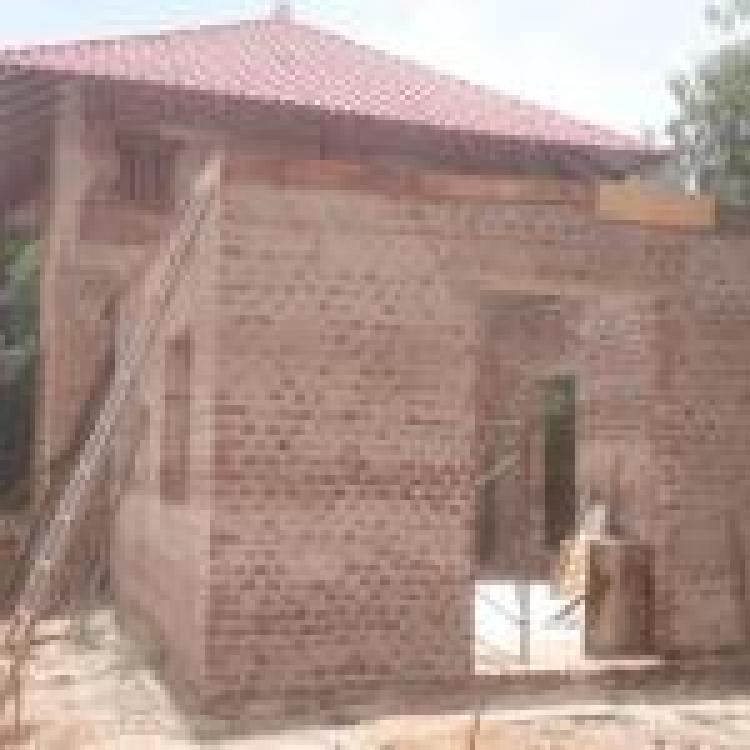
The vihara in question has been constructed without proper authorisation and has become a flashpoint for concerns over state-backed encroachment and demographic change. Tamil civil society groups have consistently raised alarm over the erection of Buddhist structures in areas with no significant Buddhist population, arguing that such actions are part of a broader policy to assert Sinhala-Buddhist dominance in Tamil regions.