.jpeg)
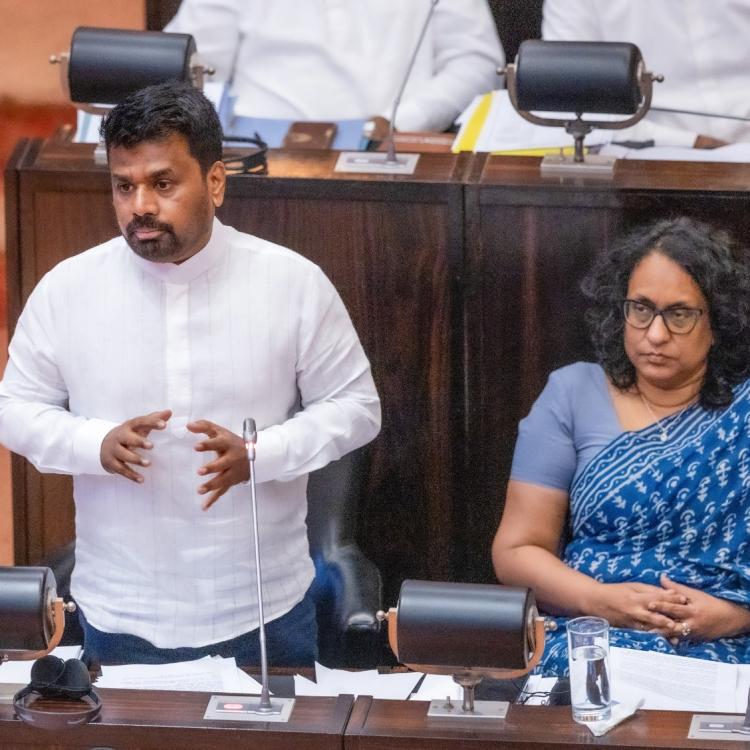
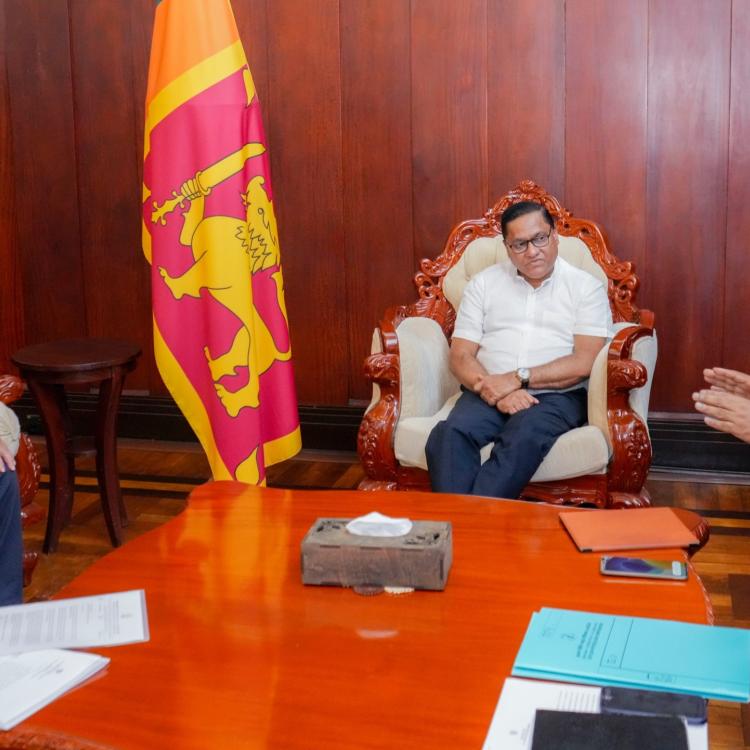
Russia's Deputy Minister of Energy, Roman Marshavin, met Sri Lanka’s president Anura Kumara Dissanayake in Colombo on Thursday, as Sri Lanka sought its way through the deepening fuel crisis this week.
"Russian Deputy Energy Minister noted that Russia possesses a thorough understanding of the challenges Sri Lanka is facing amid the ongoing global crisis," Sri Lanka’s President's Media Division said in a statement. "He affirmed that Russia is prepared to support Sri Lanka in any form not only in the energy sector but also through technical, machinery and other means."
There was no official word on the outcome of the meeting from Moscow, with the Russian embassy in Sri Lanka simply noting that “negotiations on energy cooperation between Russia and Sri Lanka have commenced”.
.jpeg)
The Russian delegation that accompanied the Deputy Minister included the Ambassador of Russia to Sri Lanka, Levan S. Dzhagaryan; Director of the Department for International Cooperation at Russia's Ministry of Energy, Vladimir Khazov; and Deputy Head of the Department for Commercial Development of Mineral Oil-Related Services Projects, Sergey Rodin.
Earlier in the day, before meeting the president, Marshavin held separate talks with Energy Minister Kumara Jayakody, Deputy Minister of Finance and Minister of Labour Anil Jayantha Fernando, and Governor of the Central Bank of Sri Lanka, Dr. Nandalal Weerasinghe. The Ceylon Petroleum Corporation's Managing Director, Mayura Neththikumarage, described the talks as having ended positively. Discussions also covered the potential supply of fertiliser to support Sri Lanka's agricultural sector, which faces its own pressures from disruptions in global supply chains linked to the Middle East conflict.
.jpeg)
The visit marks the most concrete step yet in Sri Lanka's efforts to diversify its energy supply away from routes disrupted by the war. The United States and Israel began military strikes on Iran on 28 February 2026, and Iran's subsequent closure of the Strait of Hormuz disrupted around 20 per cent of the world's oil and gas flows. Sri Lanka, which imports approximately 60 per cent of its energy needs and holds storage capacity for only about a month's consumption, was left acutely exposed. Fuel prices have since risen by approximately a third, the government has reintroduced QR-code based rationing, and a mandatory mid-week public holiday has been imposed to curb consumption.
The path to Russian fuel has, until now, been complicated for Sri Lankan.
Dissanayake admitted to Parliament that Sri Lanka had previously avoided purchasing Russian oil for fear of provoking US trade retaliation. "Some people are asking why we couldn't get oil from Russia," he told lawmakers. "Understand. 25 percent of our exports go to the US." Unlike larger regional economies, Sri Lanka also lacks the shipping fleet and specialised insurance mechanisms required to transport Russian crude, and rising insurance premiums linked to the global conflict have eroded much of the price advantage that discounted Russian supply might otherwise offer.
The opening for the current talks was created in part by a decision by the United States Treasury to issue a 30-day temporary waiver, running from 12 March to 11 April, allowing countries to purchase Russian oil and petroleum products that had been left stranded at sea. US Treasury Secretary Scott Bessent described the move as a "short-term measure" aimed at promoting stability in global energy markets.
Marshavin, speaking ahead of his arrival in Colombo, had told Russian news agency TASS that Sri Lanka was interested in supplies that went beyond oil alone. "Supplies of energy resources. Not merely oil but also the other ones. The volumes are not yet known," he said.
Despite the positive tone of Thursday's talks, analysts have warned that significant obstacles remain before any deal can be translated into actual deliveries. Sri Lanka's obligations under its IMF programme, as well as banking restrictions affecting the institutions that would need to execute financial transactions, could all complicate the process. The broader sanctions environment, while partially eased by the US Treasury waiver, has not been lifted, and there remain concerns over whether Sri Lanka's financial infrastructure can handle the mechanics of a government-to-government deal with Moscow.