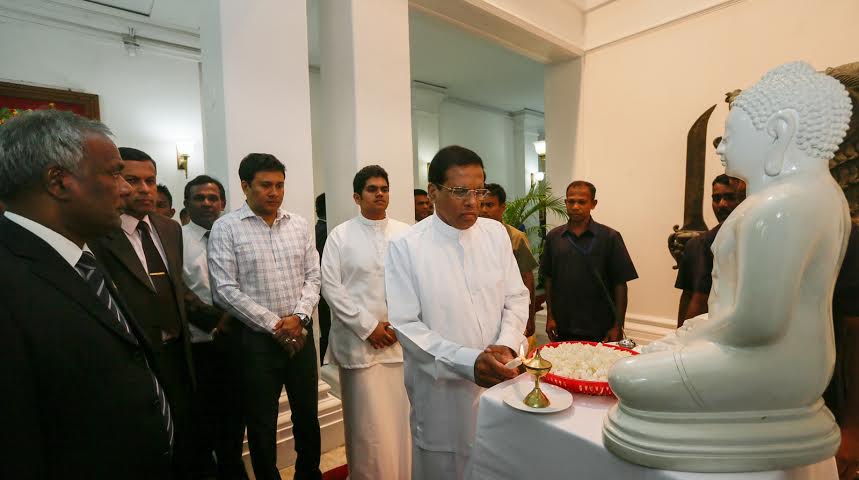
The shock defeat of incumbent Mahinda Rajapaksa in Sri Lanka’s presidential elections has given rise, both internationally and in the island, to cautious optimism of a new era of governance that would break from the violent authoritarianism and cronyism of the past decade. Building his campaign around a pledge to end corruption, uphold the rule of law, ensure press freedom and abolish the executive presidency, the unlikely victor, Maithiripala Sirisena, successfully drew the support of a disparate array of opposition parties, including the United National Party (UNP), General Sarath Fonseka's party, the JVP and the JHU, as well as the Tamil National Alliance (TNA) and the Sri Lankan Muslim Congress (SLMC). Ongoing cross-overs from the Sri Lanka Freedom Party (SLFP) have now given him the necessary parliamentary majority to make good on his pledges.