
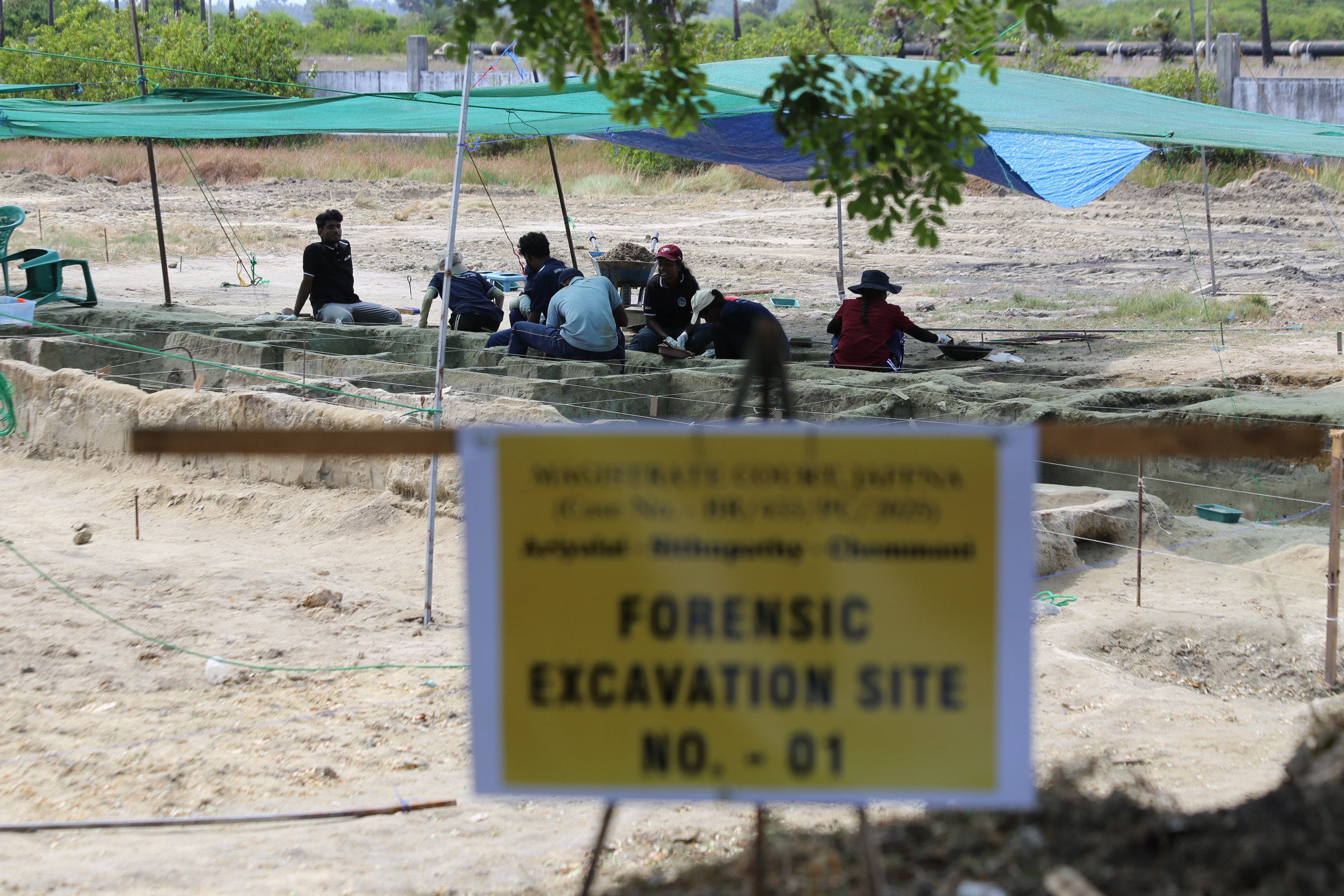
The excavation of the Chemmani mass grave entered the 30th day of its third phase on Sunday, with seven sets of human skeletal remains exhumed and a further eleven sets newly identified at the site.
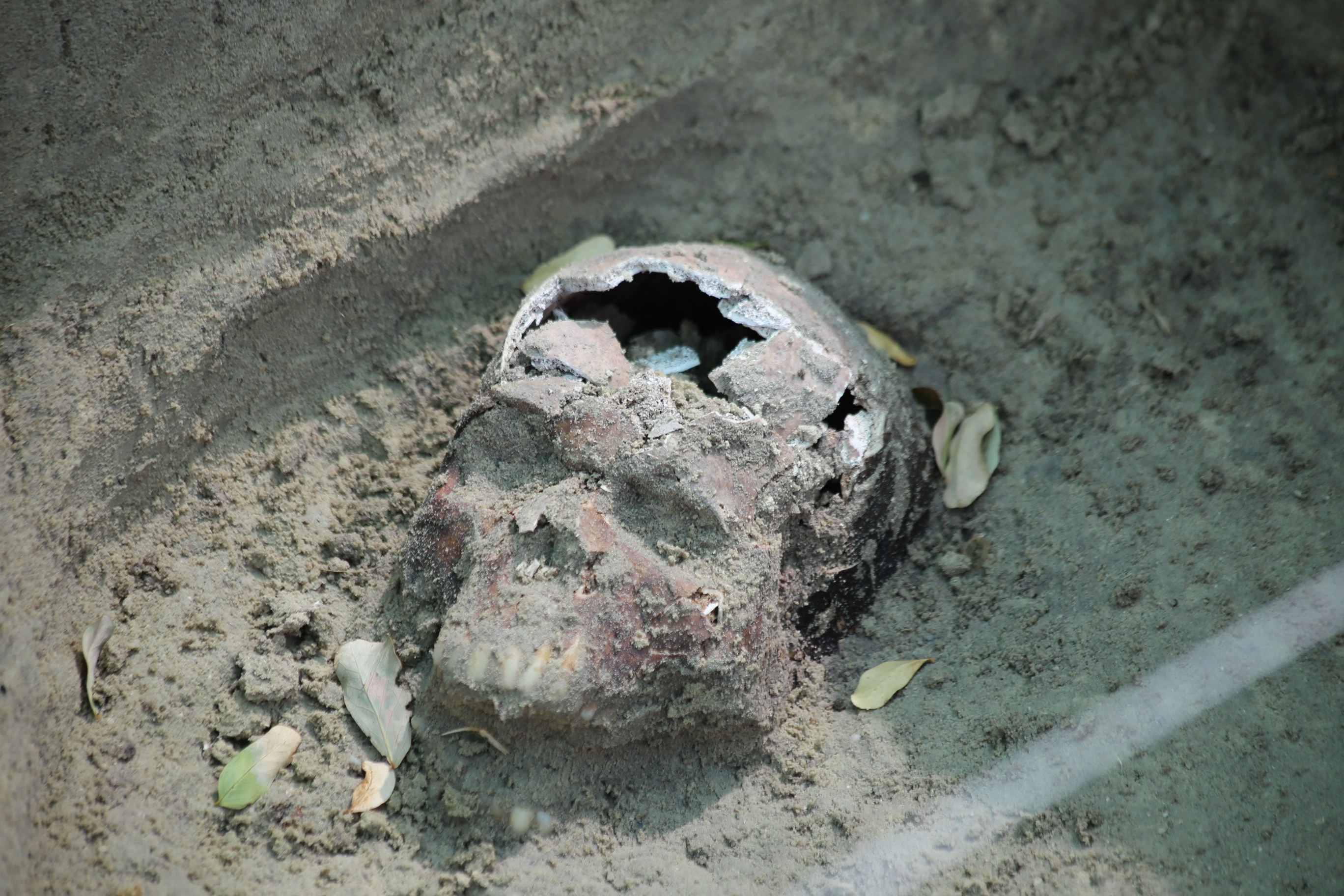
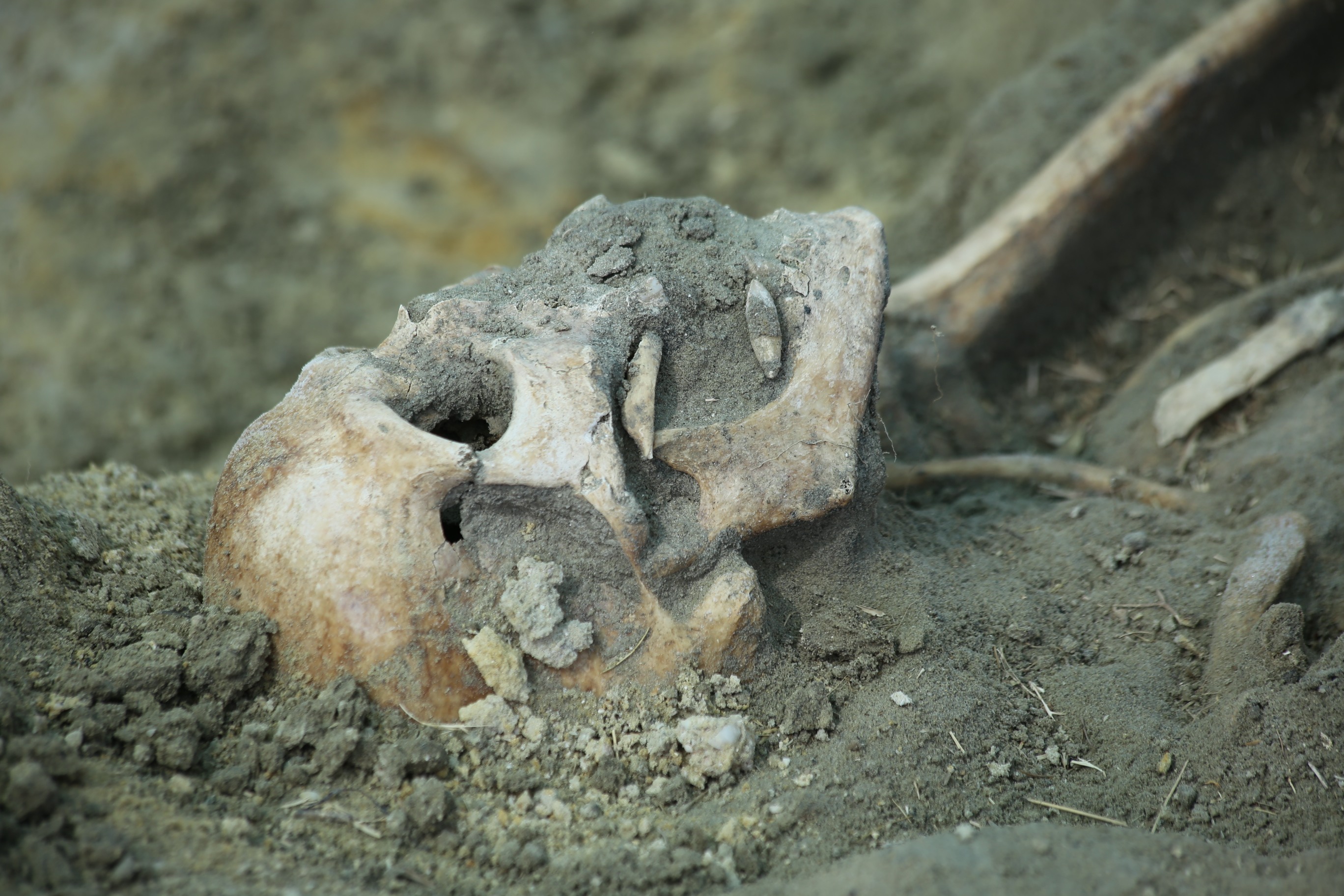
A total of 405 sets of skeletal remains have now been identified during the excavation process. Of these, 377 sets of remains have been exhumed so far.
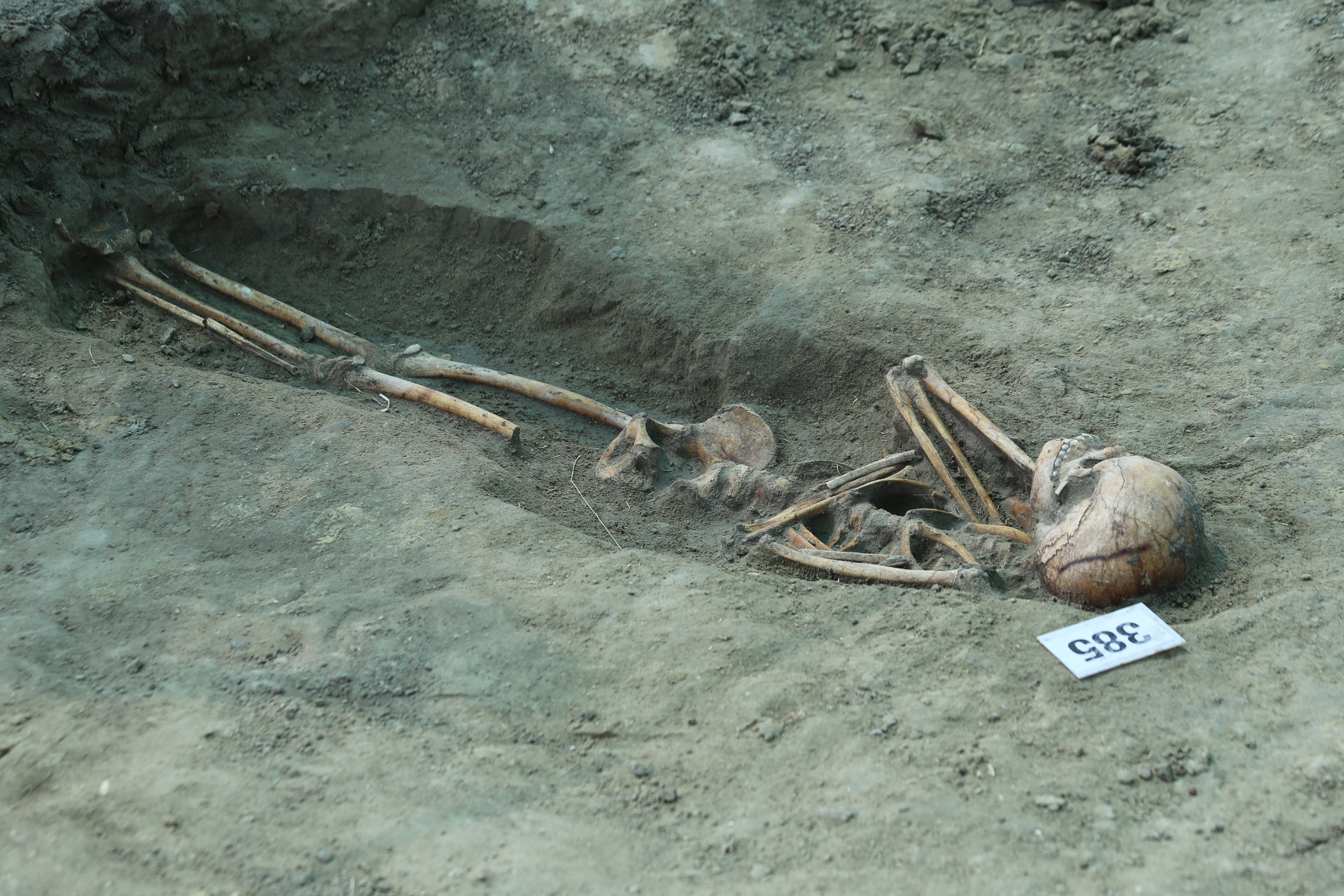
The latest figures make Chemmani the largest mass grave site uncovered in Eelam, surpassing the Mannar Sathosa mass grave, which had previously recorded the highest number of skeletal remains.
The grim milestone comes after weeks of excavation work at the Jaffna site, where human remains and artefacts have continued to emerge almost daily.
The tally has risen sharply in recent days, with 341 skeletal remains identified earlier in the excavation process, before subsequent discoveries pushed the number beyond 400.
Last Friday, Sri Lankan Justice Minister Harshana Nanayakkara visited the excavation site and stated that his ministry would take all necessary steps to ensure justice regarding the Chemmani mass grave investigation.
However, senior Ilankai Tamil Arasu Kachchi figure M. A. Sumanthiran noted that while excavation work is continuing, the process of identifying the victims has yet to begin.
The excavation has now continued for 30 days in its third phase, with more than 400 sets of skeletal remains and over 100 artefacts recovered from the site.
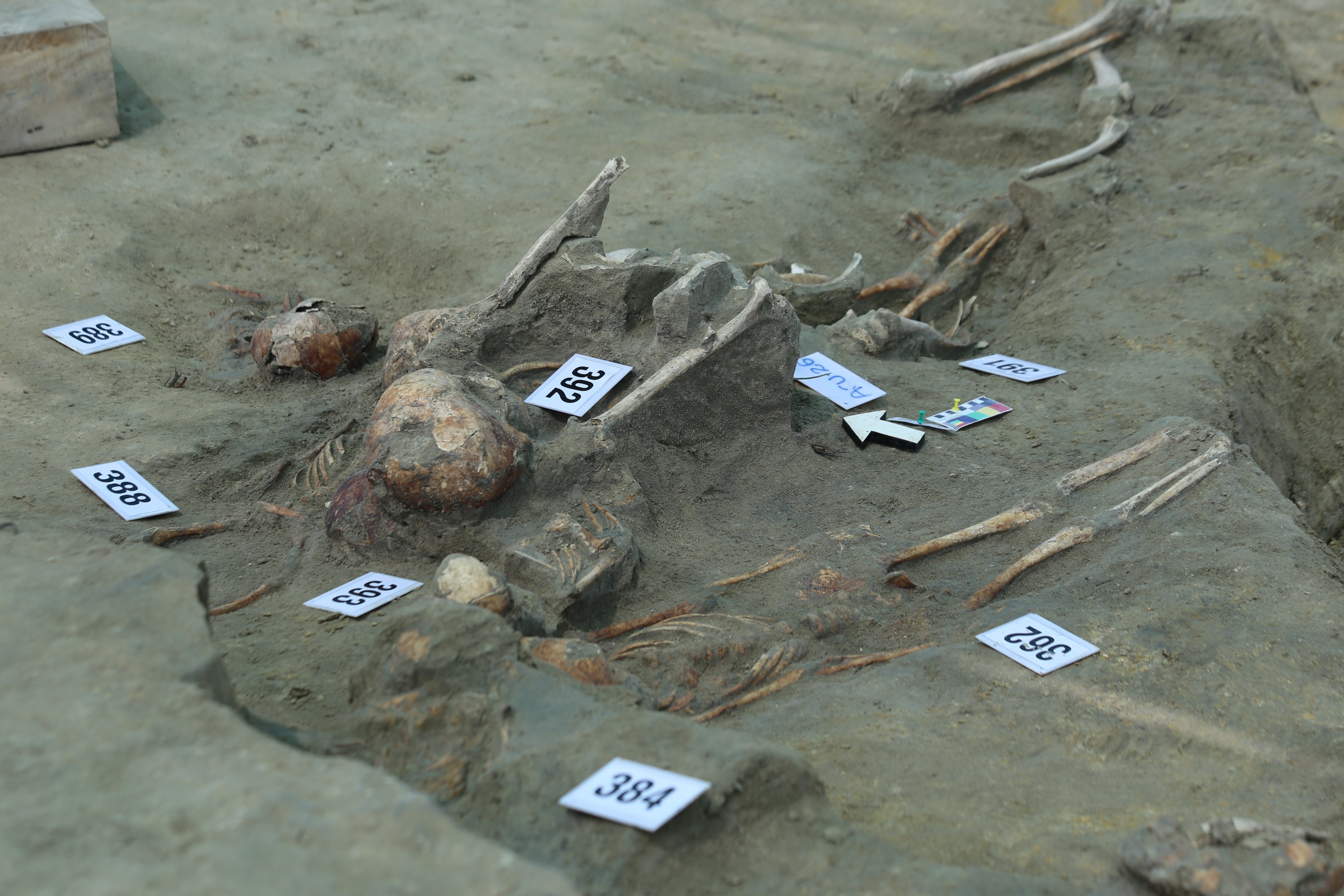
Despite the scale of the discoveries, concerns continue to be raised over the absence of publicly available information regarding detailed forensic analysis, victim identification efforts or investigations into what occurred in the area.
To date, excavation and exhumation activities have remained the primary focus of operations at the site, while families of the disappeared and human rights advocates continue to seek answers regarding the identities of the victims and the circumstances surrounding their deaths.
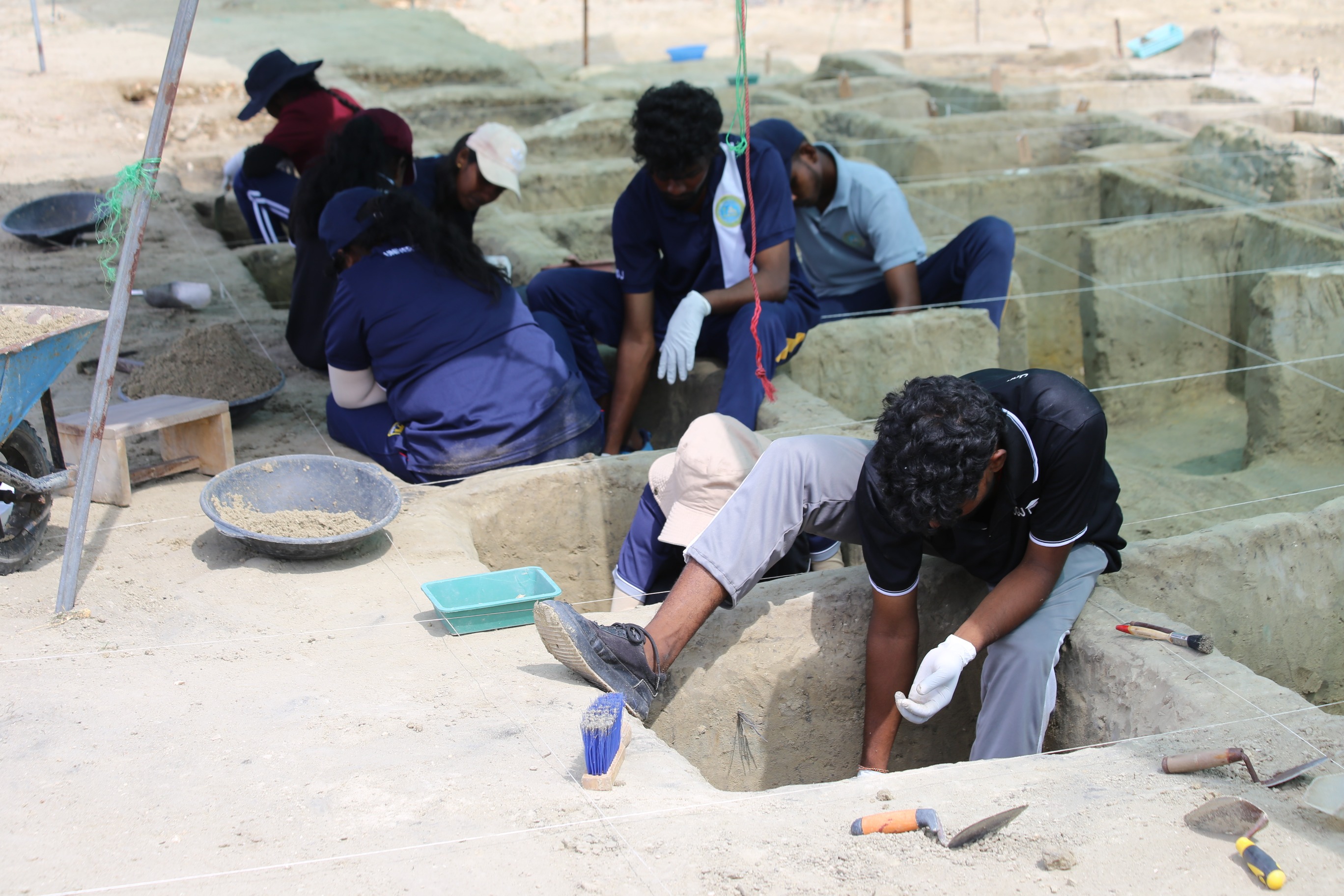
The latest exhumations follow a series of discoveries at Chemmani, including seven more skeletal remains recovered during an earlier phase of the excavation, as the site continues to reveal the scale of buried violence in Jaffna.
The Chemmani mass grave remains one of the most significant mass grave investigations in the Tamil homeland. The site first drew international attention in the late 1990s after a Sri Lankan soldier alleged that hundreds of Tamils who disappeared during military operations in Jaffna had been buried there.
As excavations continue to uncover more skeletal remains, including those of children in earlier stages of the investigation, the findings have renewed calls from families of the disappeared, Tamil political representatives and human rights advocates for international oversight and accountability for enforced disappearances, extrajudicial killings and wartime atrocities committed by Sri Lankan state forces in the North-East.