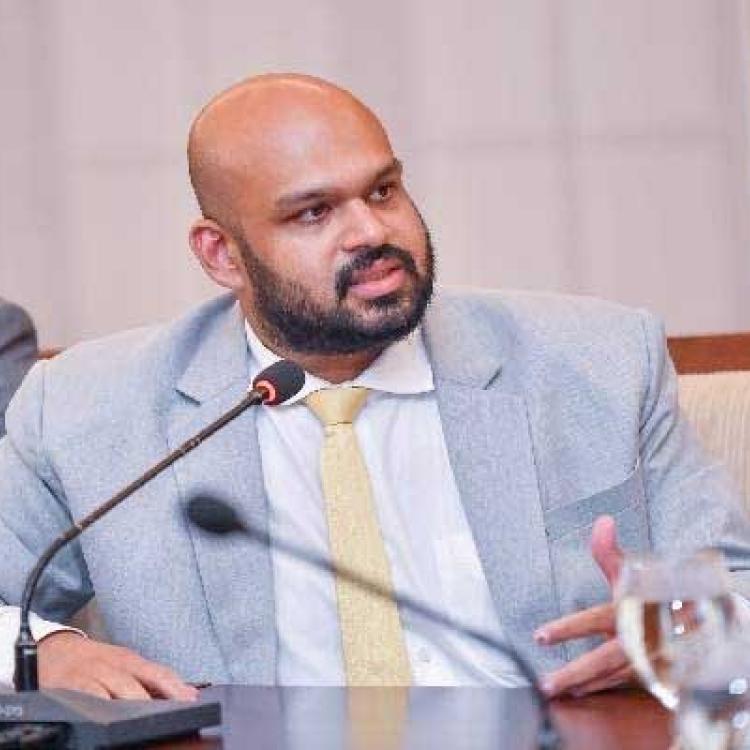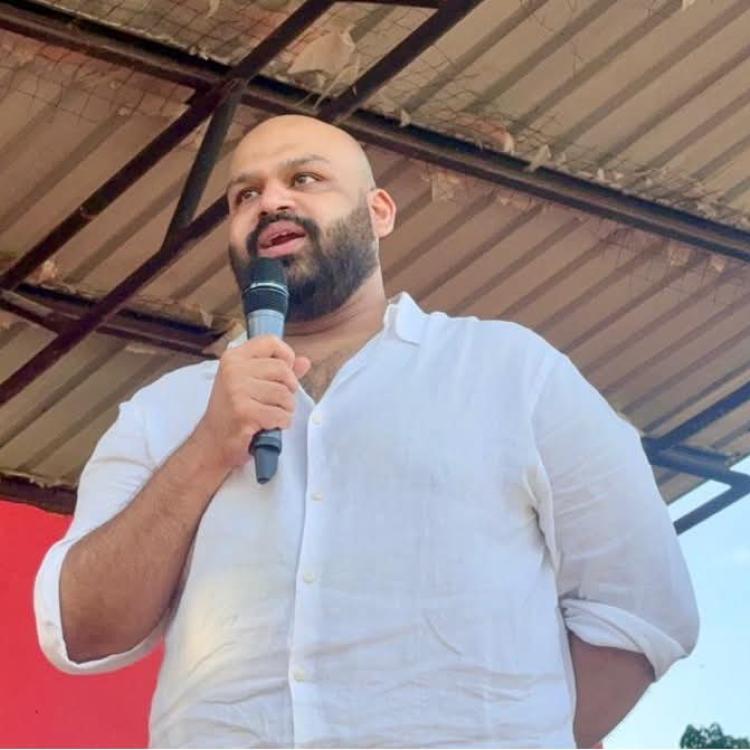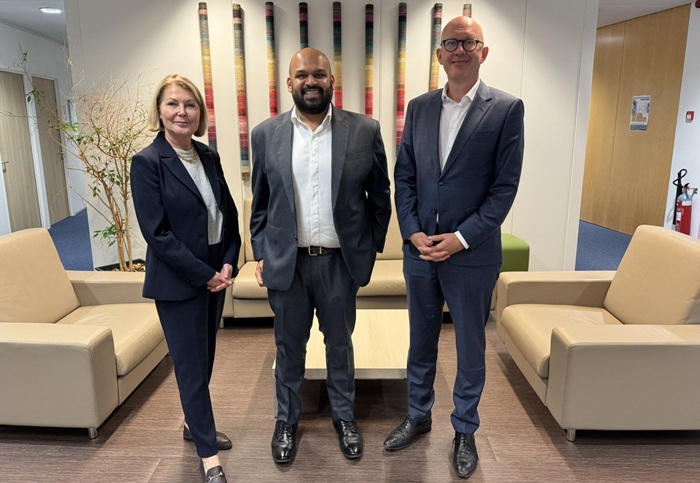
Ilankai Tamil Arasu Kachchi (ITAK) Parliamentary Group Leader Shanakiyan Rasamanickam has raised the recent detention of Tamil rapper Sangeethsan Ganeskumar and the wider continued use of Sri Lanka's Prevention of Terrorism Act with senior officials of the European External Action Service during meetings in Brussels.
The meetings, which Rasamanickam set out on X, included a session with Charles Whiteley, Head of the South Asia Division of the European External Action Service. Rasamanickam said he had raised what he described as ongoing human rights and democratic concerns in Sri Lanka, with particular reference to the Tamil community.
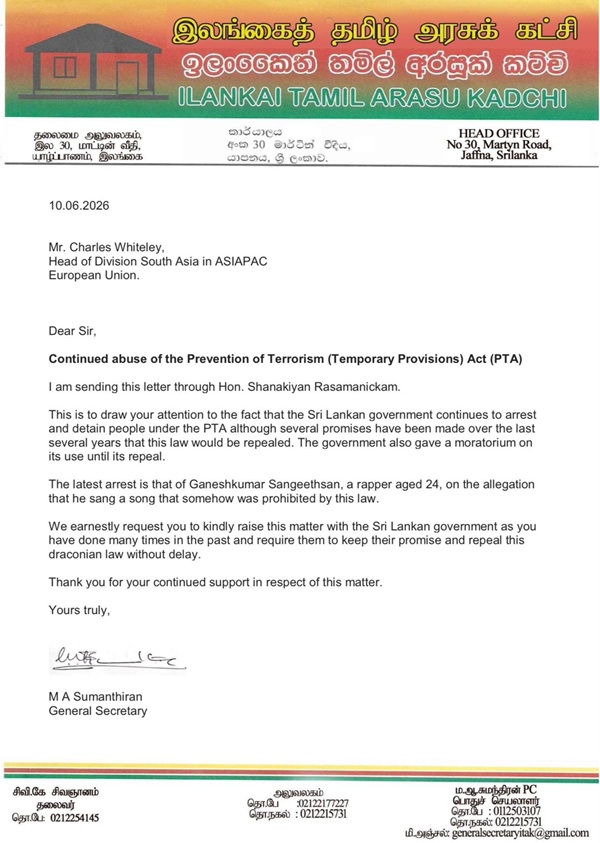
Among the issues raised was the arrest and detention of Sangeethsan, better known as Hiphop Sangee, under the PTA. Rasamanickam warned that the case reflected wider challenges surrounding freedom of expression and civil liberties on the island, and handed over a formal letter from ITAK General Secretary M. A. Sumanthiran on the case, reiterating the party's call for the repeal of the PTA. Sangeethsan was released on bail on 12 June after the Attorney General moved to drop the PTA charges and proceed instead under Section 120 of the Penal Code, the lesser offence of exciting disaffection, although the underlying case has not been withdrawn.
Rasamanickam linked the continued use of the PTA directly to Sri Lanka's obligations under the European Union's GSP+ trade concession scheme, which provides duty-free access to the EU market for a range of goods on the condition that Sri Lanka demonstrates progress on a series of international human rights and labour conventions. He told Whiteley that the continued arrest and detention of individuals under the PTA, including Sangeethsan, raised serious concerns over Sri Lanka's compliance with those commitments, and that the repeated assurances given by successive governments to repeal the law had not been fulfilled.
The intervention comes shortly after Rasamanickam submitted a private member's motion to the Sri Lankan parliament urging the immediate and full repeal of the PTA, alongside a separate private member's bill on the matter. He has consistently argued that the legislation, introduced in 1979 as a temporary measure, has facilitated arbitrary arrests and prolonged detentions over the decades, with Tamils, Muslims, journalists, social activists and human rights defenders disproportionately affected.
Rasamanickam also raised the long-delayed Provincial Council elections, telling EU officials that meaningful democratic representation and devolution of power to address Tamil political aspirations required the polls to be held without further delay. Broader constitutional reform was also discussed, with Rasamanickam emphasising the need to safeguard equality, political rights and long-term solutions to the national question through any future constitutional arrangement.
The issue of enforced disappearances was a further focus of the discussions, with Rasamanickam drawing attention to ongoing demands from families of the missing for truth, accountability and justice in line with international norms. As many as 169,796 Tamils remain unaccounted for in the aftermath of the war, and successive Sri Lankan governments have failed to provide answers to the families.
He also highlighted the continued military and state occupation of land in the Tamil North-East, noting that large tracts remain inaccessible to their original residents. He called for the expedited return of such lands to support the resettlement of displaced families and the restoration of livelihoods, with more than 6,000 families from Valikamam North alone still displaced and over 2,700 acres still held by the Sri Lankan military.
Rasamanickam closed by underscoring the importance of sustained international engagement on Tamil political and human rights issues, and welcomed continued attention from the European Union to the longstanding grievances of the Tamil people.