
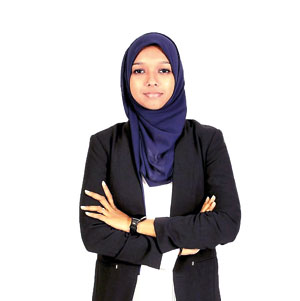
A Sri Lankan paramedic who took part in the Global Sumud Flotilla to Gaza has condemned the abuse of fellow detainees in Israeli custody, while contrasting the conduct of Israeli forces with that of the Sri Lankan military she trained alongside, an army that itself stands accused of genocide against the Tamil people and which was extensively armed by Israel.
Sameera Mahboobdeen, a paramedic and mother of two from Mawanella, was the first Sri Lankan aboard the flotilla, which comprised 56 vessels carrying medical supplies and aid towards Gaza. Her boat was intercepted by Israeli forces in international waters on 18 May, and she was held until 20 May, first at Ashdod Port and then at Ktzi'ot Prison.
In an interview with the Sunday Times, she recounted witnessing the abuse of fellow detainees, describing beatings involving gun muzzles, elbows, knees and tasers. "They would torture them and then kick them outside the container, and we would wait to attend to them," she said.
Mahboobdeen, who trained with the Sri Lankan armed forces at the Kothmale Centre for Disaster Response in late 2022, drew a contrast between the two militaries. Israeli forces, she said, were mercenaries rather than soldiers.
"The Sri Lankan soldiers with whom I have worked and received training are nothing like these people who call themselves soldiers," she told the paper.
The Sri Lankan military she referred to stands accused of mass atrocities against the Tamil people.
In the final months of the armed conflict in 2009, Sri Lankan forces killed tens of thousands of Tamil civilians, repeatedly shelling hospitals and the government-designated "No Fire Zones". United Nations bodies and international human rights organisations have documented torture, enforced disappearances and sexual violence by the Sri Lankan security forces both during and after the war, and Tamils have demanded an international justice mechanism for more than seventeen years.
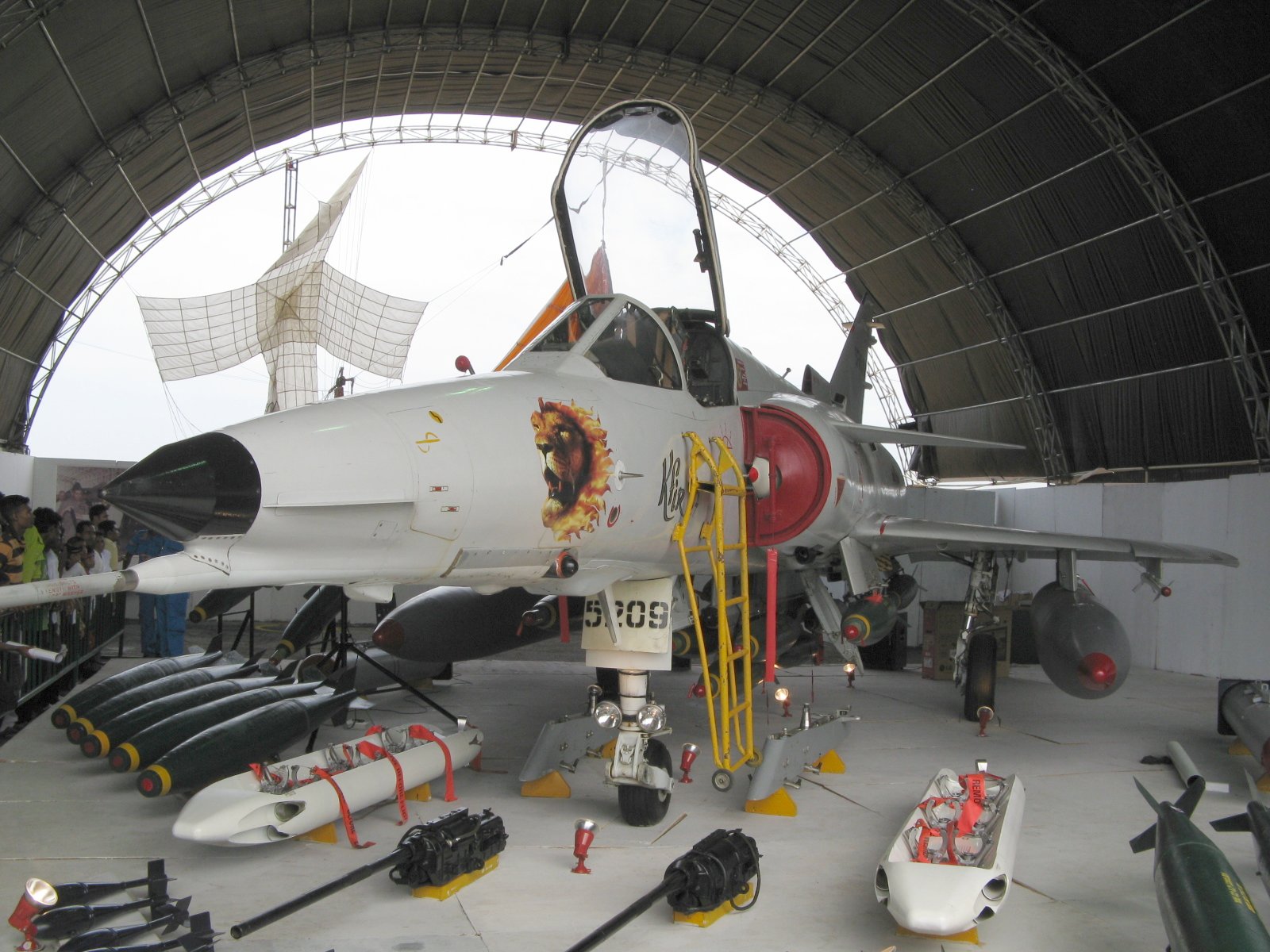
A Kfir jet emblazoned with a lion sits in a Sri Lankan hangar. (Courtesy: Chamal Pathirana)
The two militaries also share a long history of cooperation.
Israel was one of Colombo's most important military partners throughout the armed conflict, supplying the IAI Kfir fighter jets that became central to its bombing campaign across the Tamil homeland, alongside Shaldag and Super Dvora patrol boats and unmanned aerial vehicles that the Sri Lankan Army acknowledged played a critical role in directing artillery and air strikes. Israeli-made Kfir jets were used to bomb the Sencholai children's home in 2006, killing dozens of Tamil schoolgirls.
Declassified documents have detailed Israeli arms sales, intelligence cooperation and training provided to Sri Lankan military and police units, including the Special Task Force, while Israeli advisers in the 1970s counselled Colombo on establishing Sinhala settlements in the Tamil homeland.
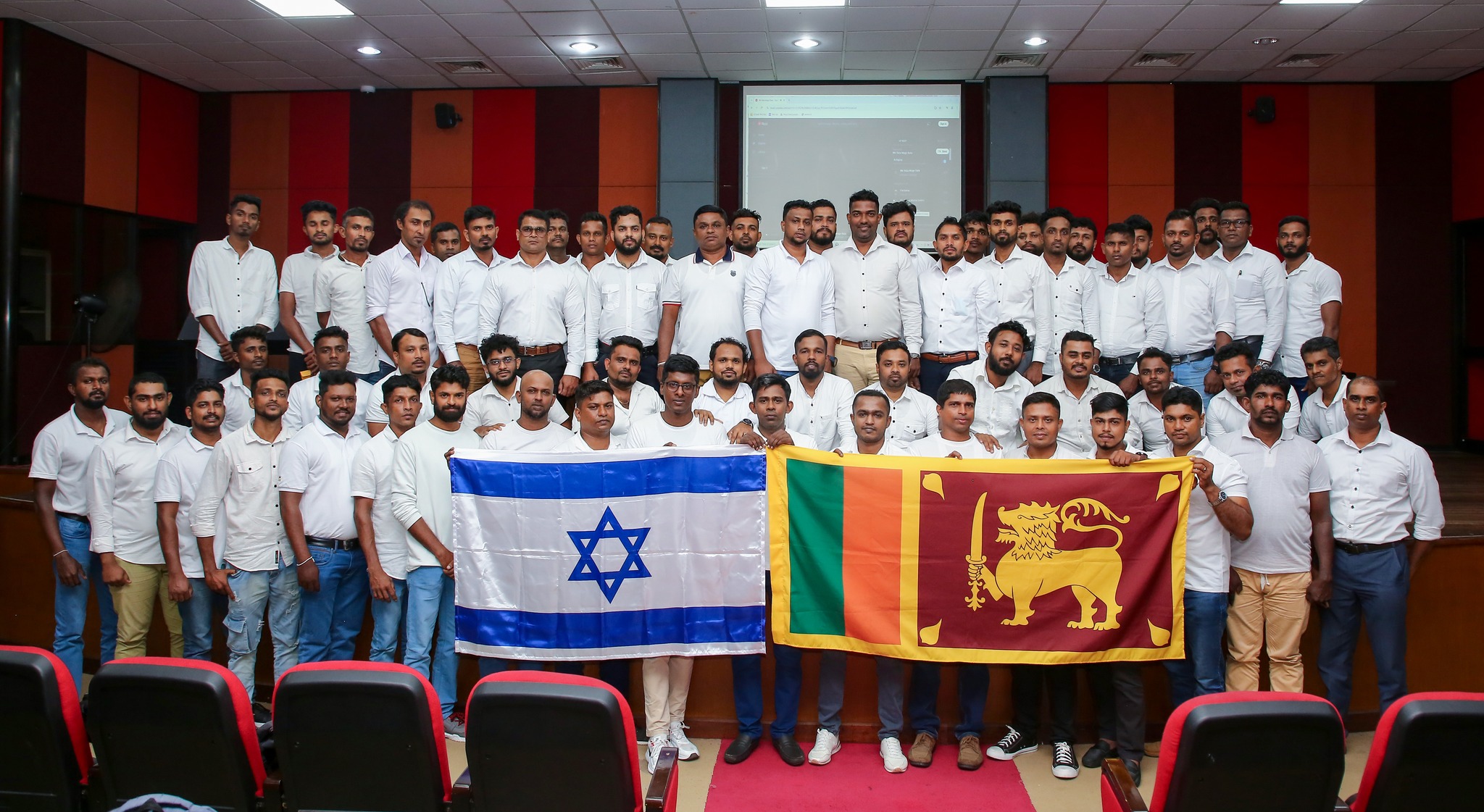
Sri Lankan workers about to depart to Israel in 2025.
Cooperation between the two states has continued to deepen in recent years, spanning military and intelligence ties, labour migration, tourism and trade, even as Israel faces genocide proceedings at the International Court of Justice over its assault on Gaza.
Mahboobdeen, who connected her interest in Palestine to Sri Lanka's own conflict, told the Sunday Times that "separatism doesn't benefit anyone except corrupt politicians".
For many, the remark sits uneasily with the cause she sailed for, with the Palestinian struggle itself seen as a demand for self-determination and statehood on occupied land, the same principle that underpins Tamil claims in the North-East. Tamils have long framed the two causes as parallel struggles against occupation and state violence. In Sri Lanka, meanwhile, support for Palestinian statehood is freely expressed across the political spectrum, while expressions of Tamil self-determination remain criminalised. She said she was pleased the flotilla mission had forced Sri Lanka, which she noted had previously avoided involvement, to issue a statement.
Expressions of solidarity with Palestine from the island's south have repeatedly drawn charges of hypocrisy from Tamils. Accused war criminal Mahinda Rajapaksa, who as president oversaw the Mullivaikkal genocide, has expressed solidarity with Palestinians and previously received the Star of Palestine award, while Sinhala nationalist politicians who backed the slaughter of Tamils have called for humanitarian aid to Gaza.
Sri Lankan president Anura Kumara Dissanayake has invoked the suffering of Gaza on international platforms, despite having marched against a ceasefire with the Tamils and refusing to acknowledge the genocide at Mullivaikkal.
Tamil commentators have noted that Colombo's professed solidarity with Palestine sits alongside its deepening relationship with Israel and its continued refusal to permit any international accountability for the atrocities committed against the Tamil people.