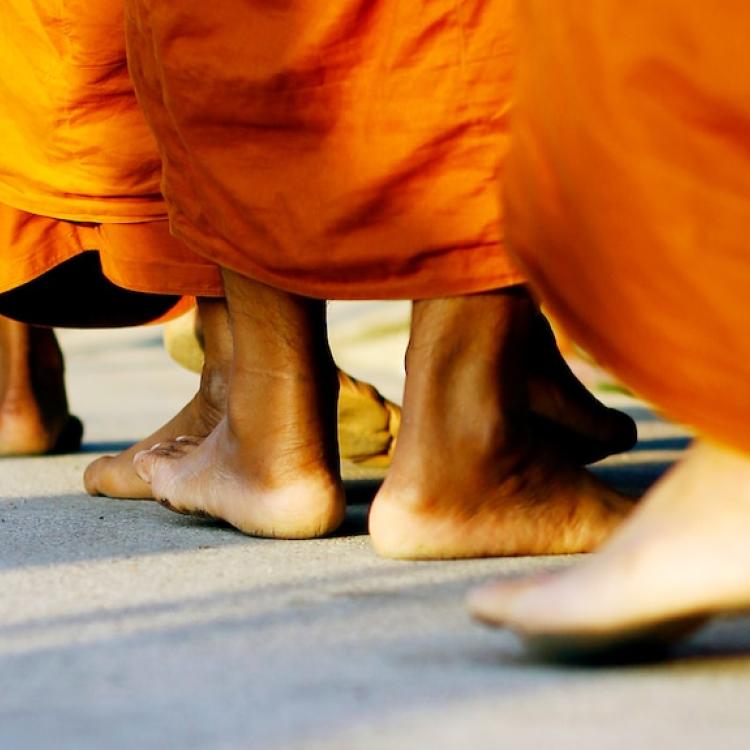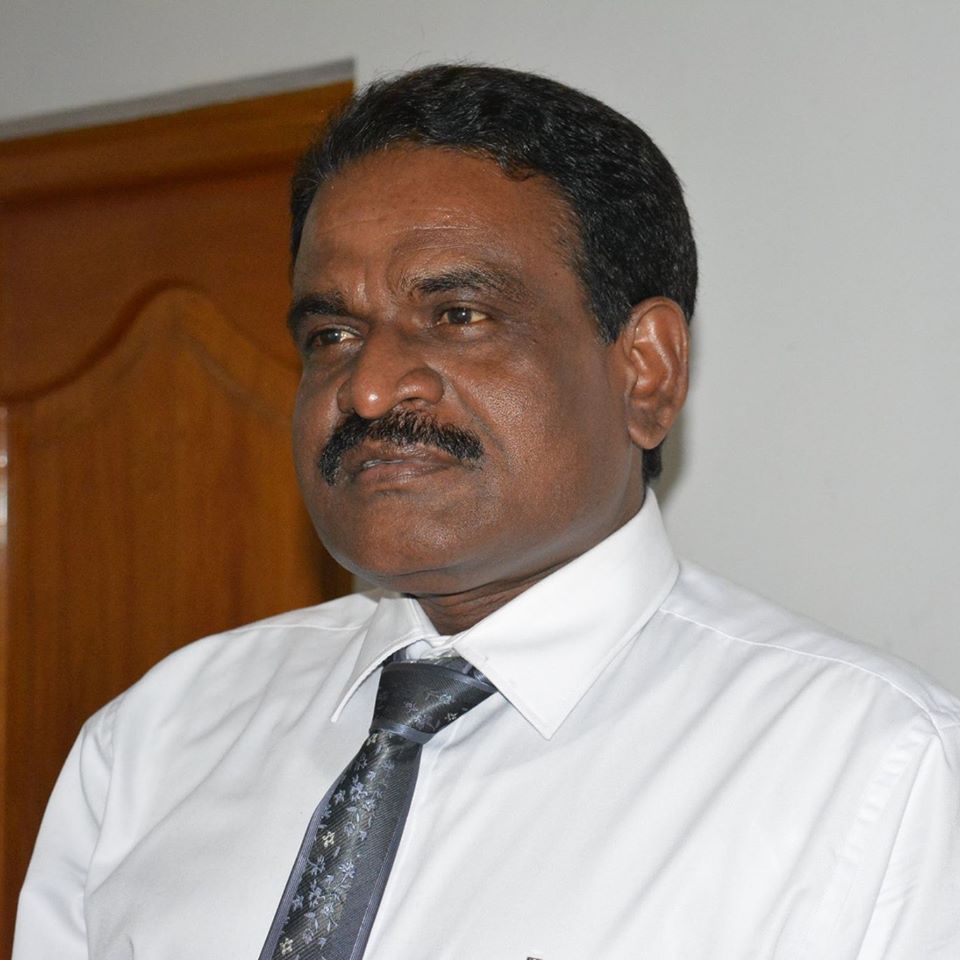
Ilankai Tamil Arasu Katchi (ITAK) Batticaloa District parliamentarian Gnanamuthu Srinesan has warned that a proposal by Sri Lankan president Anura Kumara Dissanayake to establish a separate judicial mechanism for Buddhist clergy would undermine the rule of law and entrench a discriminatory legal order in Sri Lanka.
Speaking at a media briefing in Chettipalayam, Batticaloa, Srinesan pointed to a series of recent cases involving members of the Sinhala Buddhist clergy to underscore his concerns. He noted that 22 Buddhist monks returning from Thailand had recently been arrested and imprisoned over allegations relating to drug smuggling, and referred to a separate case in which a Buddhist monk accused of sexually abusing a minor had been produced before court and remanded, before being released on bail as part of the ongoing judicial process. While stressing that such conduct should not be attributed to the clergy as a whole, Srinesan argued that those who violated the law could not be shielded from accountability.
"However, it is essential that we speak out regarding those religious figures who violate the law," he said.
His remarks came in response to Sri Lankan president Anura Kumara Dissanayake's announcement during the State Vesak Festival that the government was preparing legal amendments to revive a "Dharma Court," a proposed mechanism for handling disciplinary matters involving Buddhist monks. He stated that a concept paper had been submitted to amend the Viharagam and Devalagam Act of 1931 and had received Cabinet approval, and that discussions had taken place with senior Buddhist clergy and the Attorney General.
Srinesan argued that such a move would directly contradict the fundamental principle of equality before the law.
"The principle of the rule of law is founded upon equality before the law. Creating a separate judicial structure specifically for Buddhist clergy would imply that they should be tried outside the ordinary courts through special judicial mechanisms," he stated.
He warned that a democratic legal order could not be sustained if ordinary citizens accused of crimes were tried in one type of court while privileged individuals were subjected to separate judicial processes, and cited the constitutional theorist A. V. Dicey in making his case. "In such circumstances, efforts to establish a separate judicial mechanism for Buddhist clergy would stand in contradiction to the rule of law principles advanced by Dicey," he added.
Srinesan further cautioned that such a development would be particularly dangerous in Sri Lanka's existing political context, where ethnicity, religion, and language have long been weaponised for political ends.
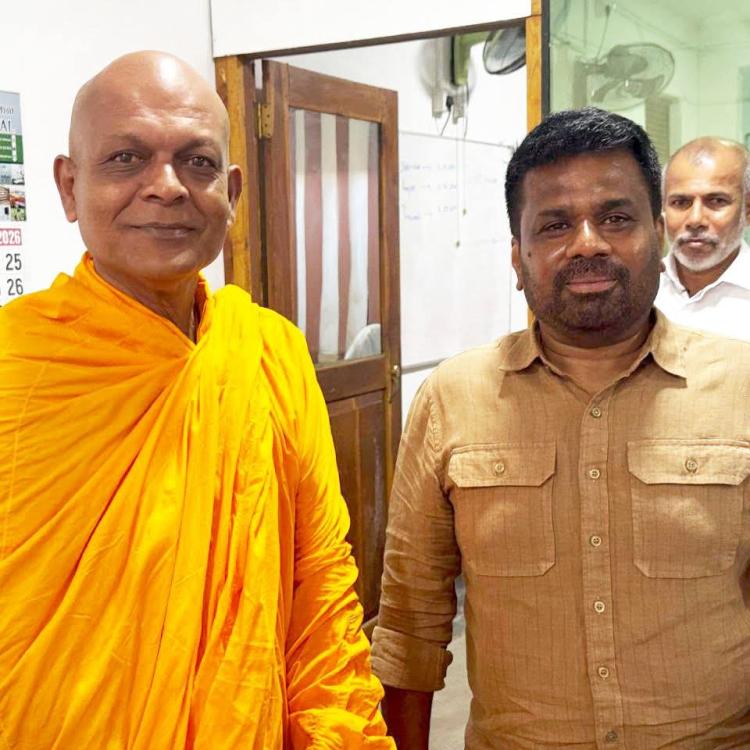
His remarks reflect a broader concern that the proposed Dharma Court would legislate a two-tier legal system that has, in practice, long existed on the island. The Sri Lankan president has also pledged not to amend the constitutional provision granting Buddhism a foremost place, and during a visit to Batticaloa met openly with racist monk Ampitiye Sumanarathana, a figure known for years of anti-Tamil rhetoric.