• Sri Lanka moves towards autocracy – Deccan Herald

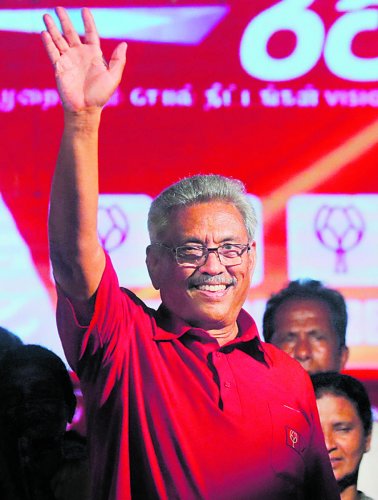
    Commenting on the passage of Sri Lanka’s 20th Amendment (20A) to the constitution, the Deccan Herald writes that Sri Lanka has “taken a decisive step towards becoming a constitutional autocracy”.

  • ‘The greatest humanitarian crisis of the war’ – Press coverage of the Jaffna Exodus

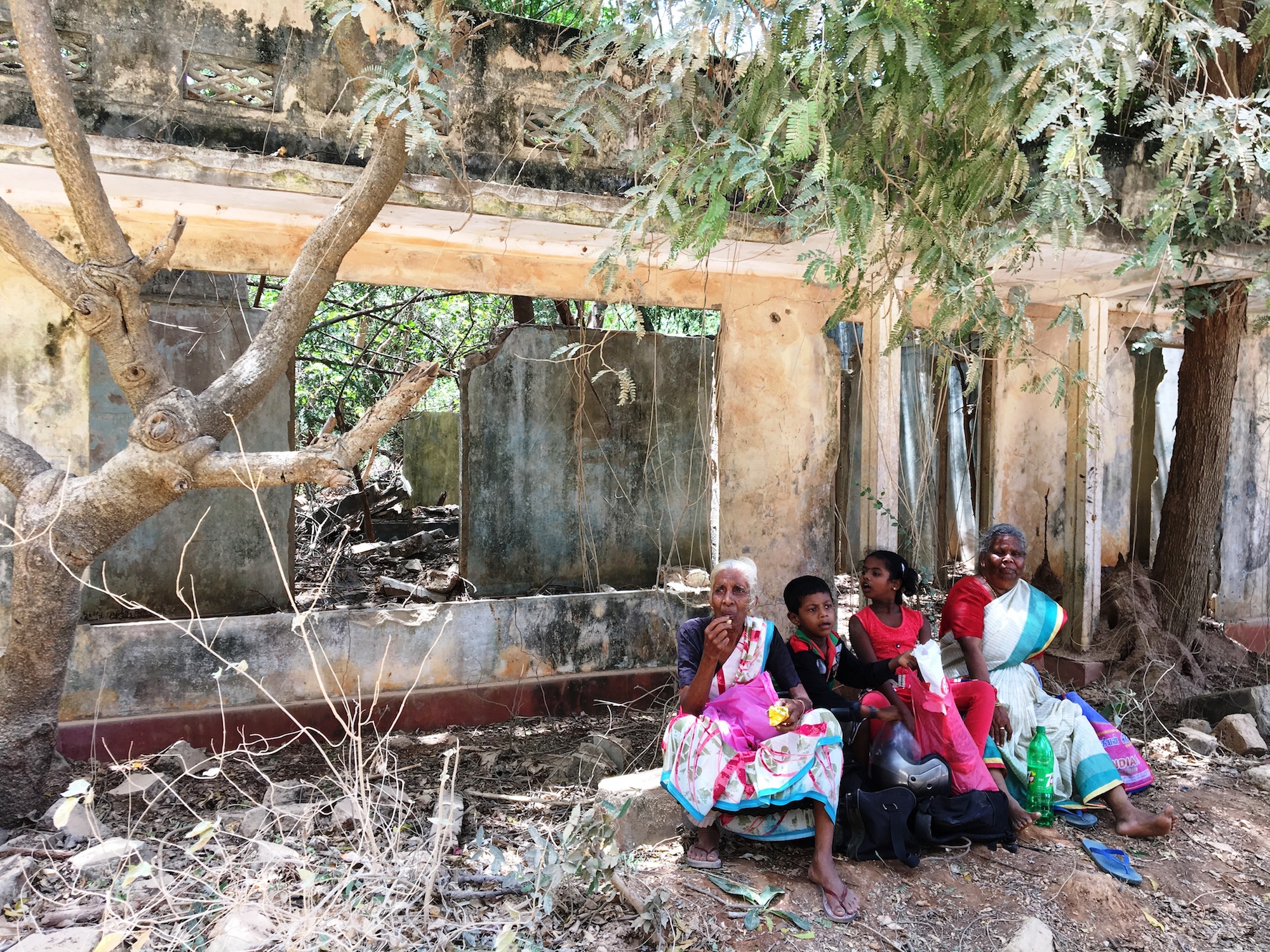
    As we mark 25 years since the Jaffna exodus, which led to over half a million Tamil men, women and children fleeing their homes, we look back at press coverage from the time.

  • The fight for Jaffna – October 1995

    Jaffna has been considered the cultural capital of Eelam Tamils for centuries, as well as being the crucible of the Tamil liberation movement and the armed struggle against Sri Lankan state operation which began in the 1970s following non-violent political campaigns.

  • Remembering the Jaffna exodus – 500,000 displaced

    On the day 25 years ago, over half a million Tamil men, women and children fled their homes in Jaffna as the Sri Lankan military launched a military offensive to capture the peninsula, under the leadership of then president Chandrika Kumaratunga.

  • The exodus was a colossal human tragedy'

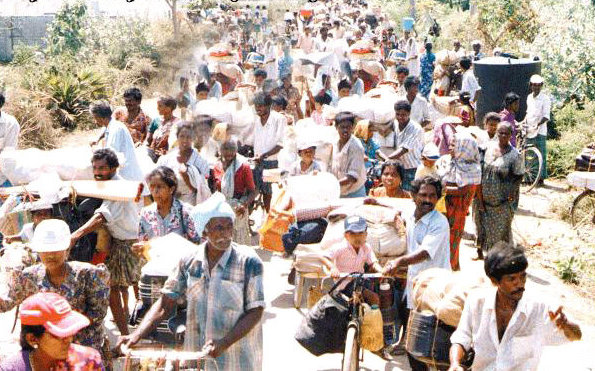
    The exodus was a colossal human tragedy, unprecedented in its proportions. Heeding the appeal of the LTTE cadres and realising the imminent danger to their lives from the invading enemy troops, the entire population of Valigamam - more than five hundred thousand people - stepped out onto the roads carrying their bare essentials and dragging along their children, the elderly and the sick. Everyone knew they would be safe if they could just crossover the Navatkuli bridge into Kaithaddy, Thenmarachchi. This realisation led to a headlong rush to cross the bridge before the enemy blocked the evacuation of the Jaffna population. 

    The roads leading to Chavakachcheri were jam-packed with masses of desperate, frightened people. Bicycles - the only mode of transport - became a burden as the movement of the multitude ground to a halt with the cramming and congestion of people. The overcrowded processions of people extended for miles and it took several hours to move a few hundred yards. Adding to the tragedy, it started to rain. Teardrops from the weeping sky provided only a tiny relief to the many thirsty, dehydrated mouths. children cried with the agony of starvation as their parents watched helplessly. The elderly stumbled along the roads, often stopping to draw breath. Deprived of food and water and exposed to the weather, the sick became sicker. strained and stressed by the emotional and physical upheaval of the event, a pregnant woman lay down on the side of the road to deliver her baby, unattended in open air. Despite the physical hardships suffered by the people there was a sense of determination and urgency to escape from the clutches of an unpredictable and dangerous enemy who was nearing the gates to Jaffna. 

  • 30 years since expulsion of Muslims from Jaffna

    Tamil and Muslim activists called for both communities to “forge new paths of activism”, as they marked 30 years since the expulsion of Muslims from Jaffna by the Liberation Tigers of Tamil Eelam (LTTE).

    In October 1990, amid hostilities between Tamils and Muslims and growing paramilitary activity, the LTTE expelled some 20,000 Muslim families from the Northern Province – up to 75,000 people in total.

  • EPDP leader 'pleased' by Sri Lankan navy attacks on Tamil Nadu fisherman

    Eelam People's Democratic Party (EPDP) leader and fisheries minister Douglas Devananda stated that he was “pleased to hear about the happy news” when describing the recent Sri Lankan navy attacks on Tamil Nadu fisherman.

  • Sinhalisation of the North-East: Kankesanthurai (KKS)

    Reporting on the continued militarization of the North-East, PEARL (People for Equality and Relief in Lanka) highlights that in Kankesanthurai (KKS) region there is “least 40 military bases, 4 police institutions, 4 army canteens and resorts, and 3 Buddhist temples” within just 90 square kilometres of land.

  • Sri Lankan army officer accused of racially abusing medics in Manalaru

    A Sri Lankan army officer has been accused of racially abusing and threatening medical staff at a hospital in Manalaru. Brigadier K K S Parakum reportedly abused the head and medical staff at Sampathnuwara district hospital in Manalaru, the colonised area of Mullaitivu now known as Weli Oya.

    Parakum is reported to have said in Sinhala: 'Bloody Tamil', 'I will kill you', 'this is my area', 'terrorists', 'Prabhakaran'.

  • Tamil director receives death threats for urging Vijay Sethupathi to snub Murali biopic

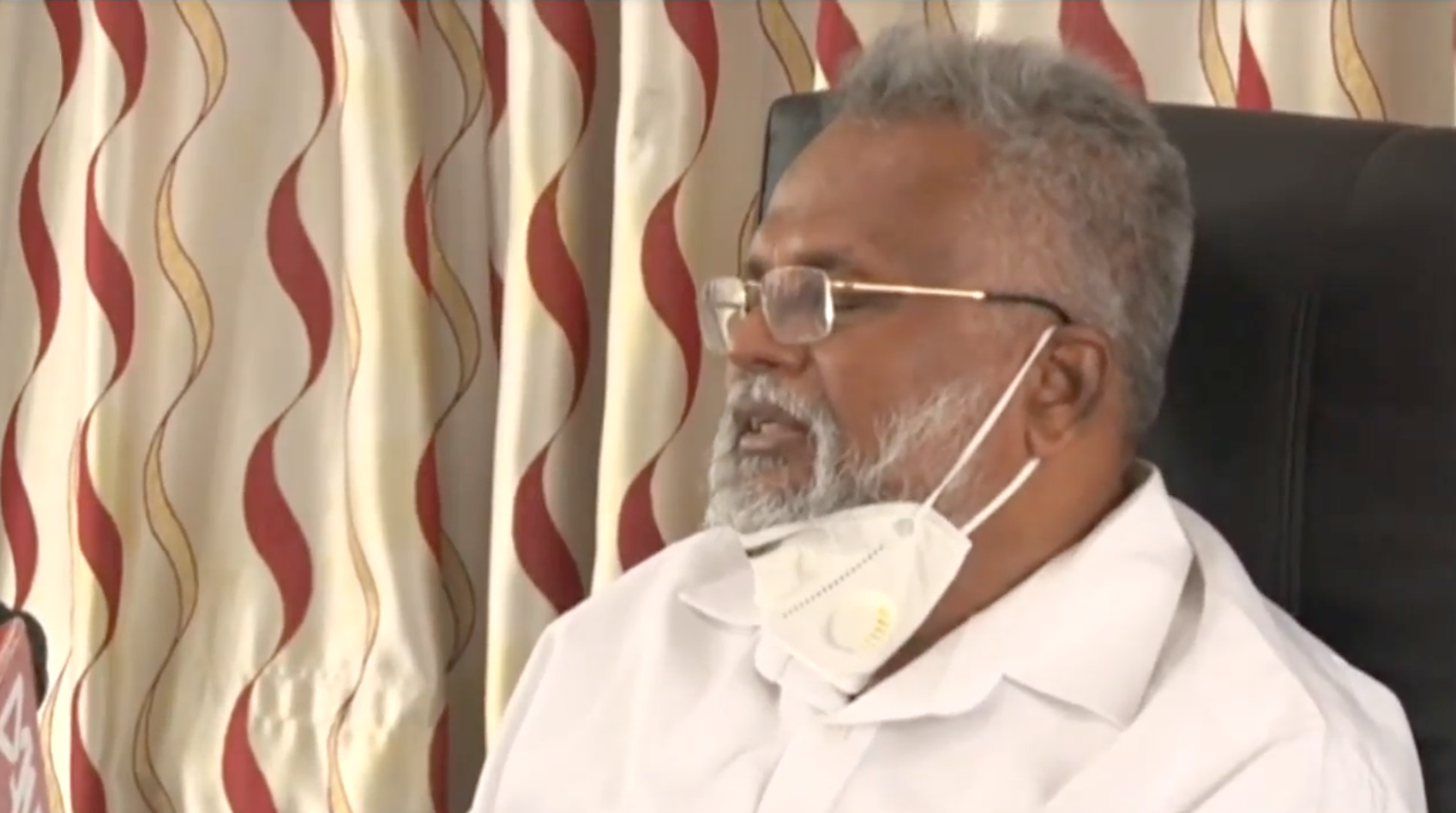
    A Tamil director has requested for ‘urgent’ protection for his life after claiming he received several life threatening messages for asking Vijay Sethupathi to opt out of the controversial Muttiah Muralitharan biopic ‘800’. 

    Seenu Ramasamy, who worked with Vijay Sethupathi in the Tamil films ‘Dharma Durai’ and ‘Thenmerku Paruvakaatru, insisted that his life was “in danger” and took to Twitter to call for Tamil Nadu’s Chief Minister to offer him some sort of security.

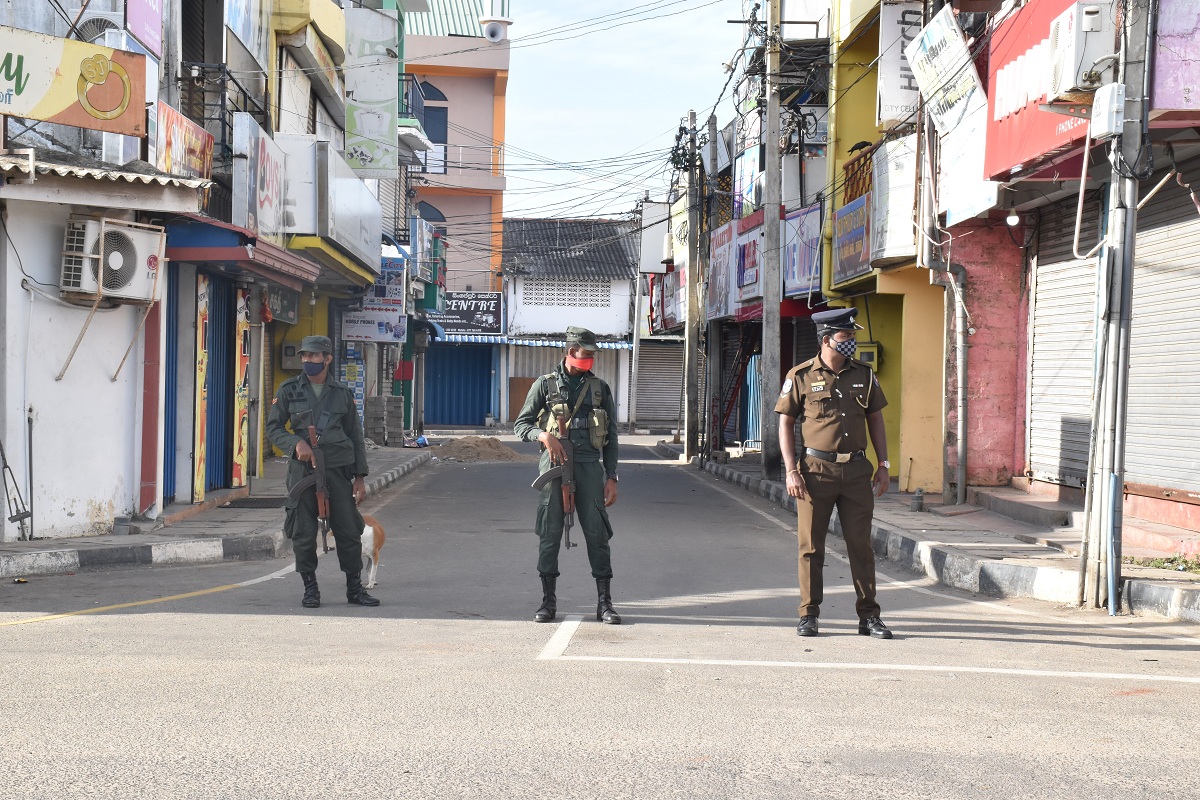
  • Sri Lanka’s militarised COVID-19 response 'exacerbates ethnic divides'

    Sri Lanka has seen a recent rise in COVID-19 cases causing authorities to increase the coronavirus-related curfew zones to 56 police divisions and increasing militarisation, which many human rights advocates have voiced concern over.  

    So far, the island has reported over 8,000 COVID-19 cases with the total number of deaths rising to 16. More than half of these cases can be seen from just two clusters, a garment export factory in Minuwangoda, Western Province, and a wholesale fish market in Peliyagoda, a suburban area of Colombo.

    The Sri Lankan government has also expanded its “quarantine curfew” to include several localities in and around Colombo this weekend, regardless of the fact no isolated case has been reported outside of these two key clusters, to be termed as a community spread, according to Dr. Sudath Samaraweera, Chief Epidemiologist at the Ministry of Health.

  • Sri Lankan prime minister refused to meet Pompeo

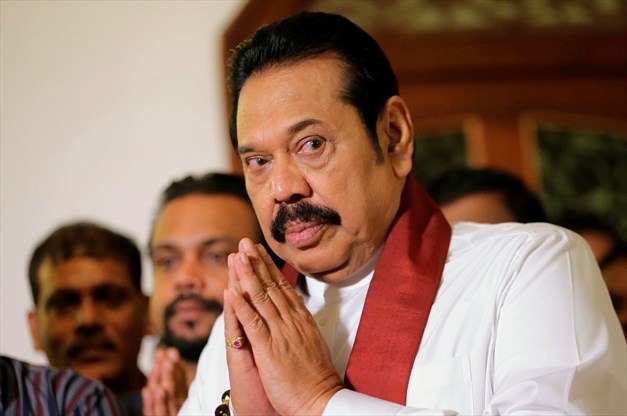
    Sri Lankan prime minister Mahinda Rajapaksa reportedly shunned a meeting with visiting US Secretary of State Mike Pompeo, with the regime “opposed” to the trip from the senior US official, claimed a government minister.

  • US ban on Shavendra Silva is ‘legal requirement’ says Pompeo

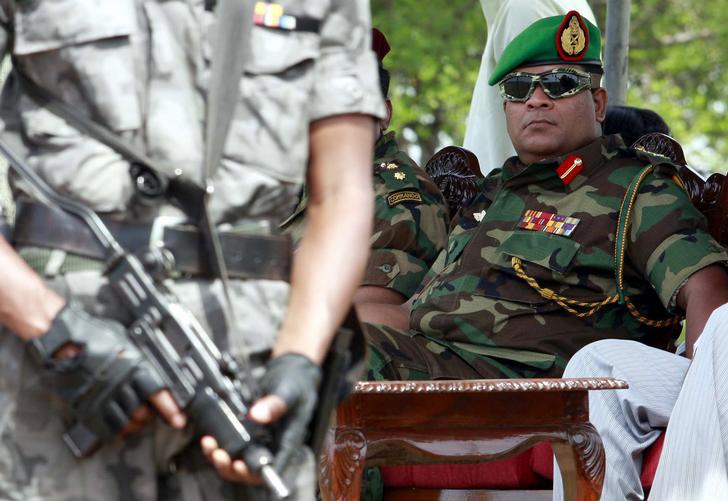
    As US Secretary of State Mike Pompeo visited Sri Lanka this week, he was asked repeatedly about a travel ban imposed on the head of Sri Lanka’s army Shavendra Silva over his role in overseeing war crimes.

Subscribe to Tamil Affairs