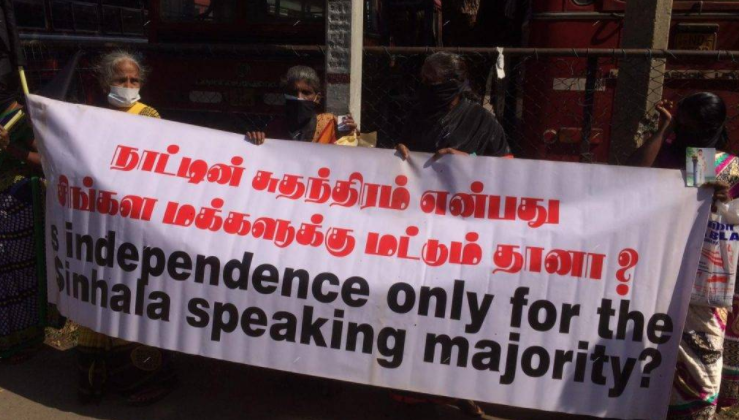
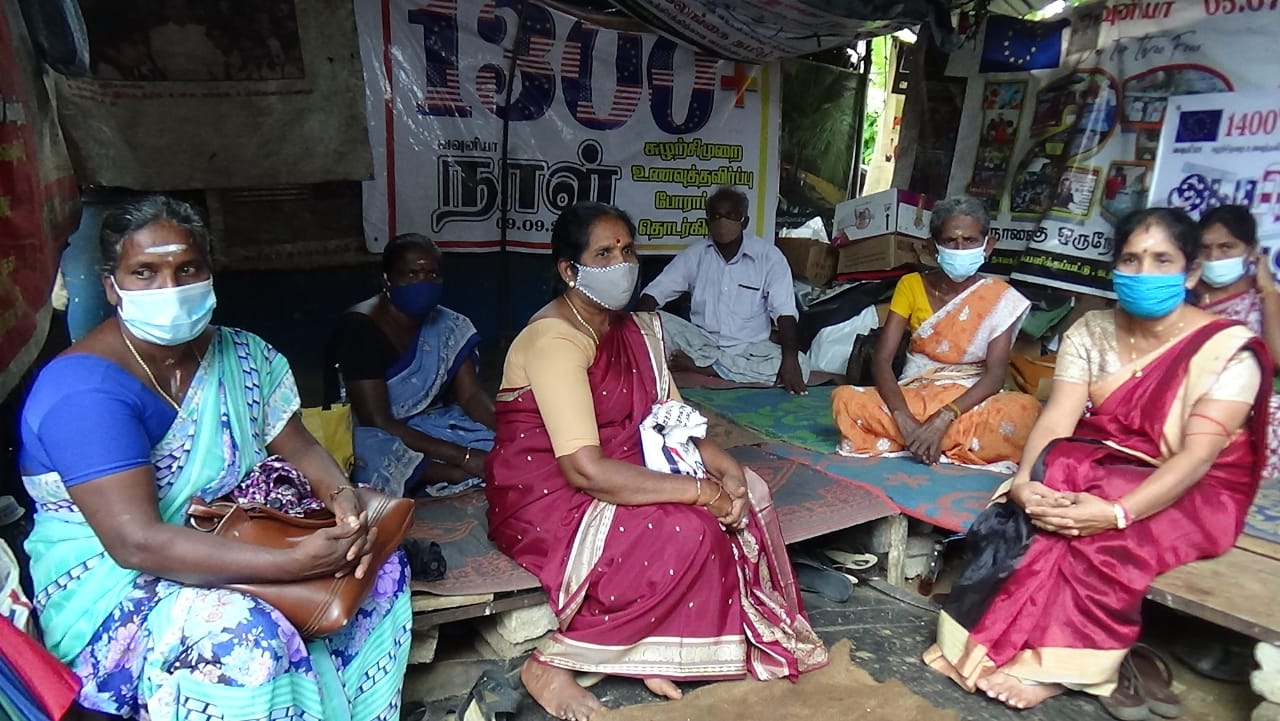
Despite the numerous injunctions and restrictions imposed, the families of the disappeared braved Sri Lankan police intimidation to carry out protests demanding the whereabouts of their missing loved ones.
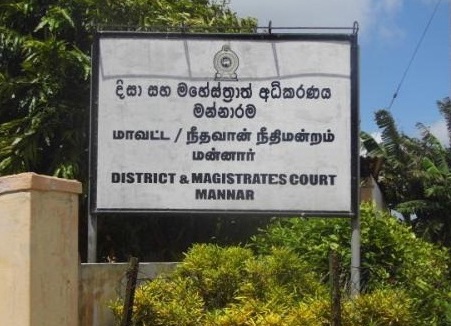
Sri Lankan magistrates across districts in the North-East issued bans and injunctions against civil society members, journalists and other individuals ahead of a ‘walk for justice’ organised by Tamil war victims’ families, civil society organisations and Tamil politicians.
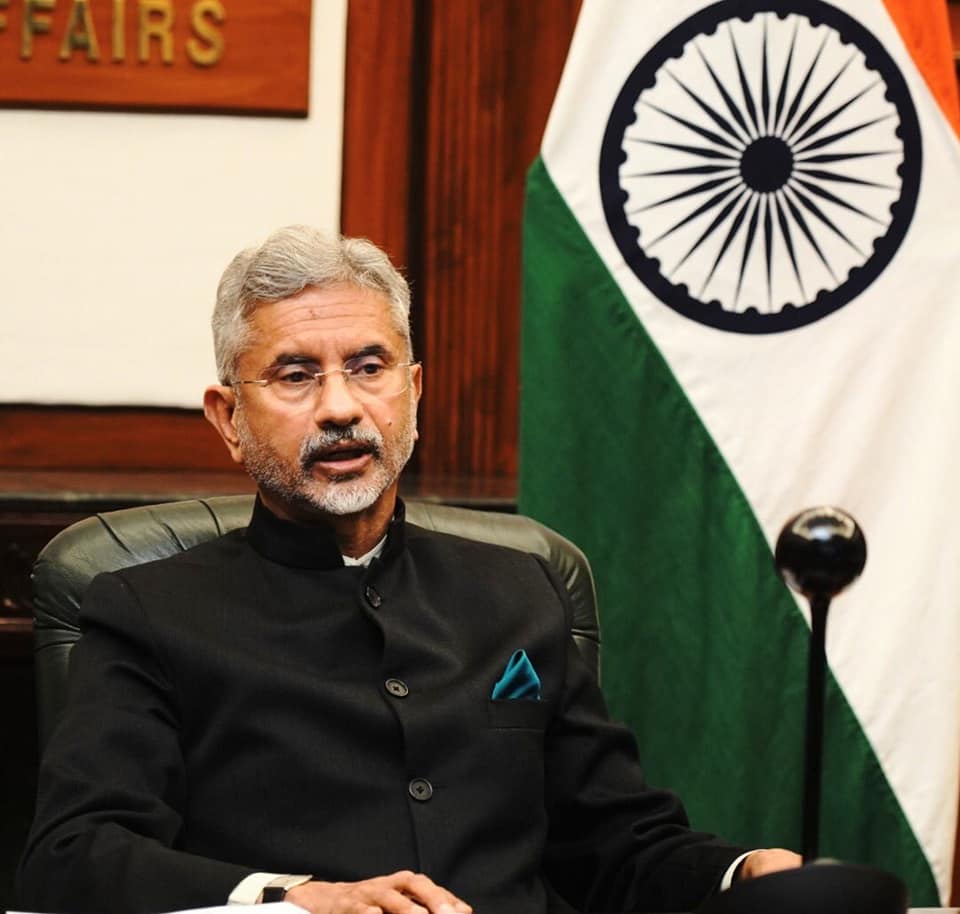
Responding to the death of 4 Tamil fishermen, India’s External Affairs Minister S Jaishankar addressed the Rajya Sabha and maintained that the matter had been taken up with Sri Lanka in the “strongest terms”.
Former Chief Justice and Sri Lanka’s Permanent Representative to the United Nations in New York, Mohan Pieris, accused the Human Rights Council (UNHRC) in Geneva of being a tool for terrorists in his first address to the UN General Assembly last Thursday.
Tamils in the North-East have started a massive protest march, mobilising around demands for the United Nations and international community to heed Tamil calls for justice and accountability. The walk for justice has been named after its route from ‘Pottuvil to Polikandi’, delineating the two furthest ends of the traditional Tamil homeland, from Pottuvil in Amparai in the south, to Polikandi in Point Pedro at the northern tip.
The march has been endorsed by all Tamil political parties, as well as by Tamil and Muslim civil society organisations and Muslim leaders. The campaign has been met with a brutal crackdown from the Sri Lankan state, with troops and police disrupting and threatening marchers, and Sri Lankan police obtaining injunctions against the protest, and targeting individuals in the community, in several districts.
Several Tamil politicians and civil society members defied injunctions to participate in the march.
Sri Lankan army officers shot at three unarmed Tamil men in Vavuniya, leaving one of them hospitalised. They claimed that they acted in response to being shot at by the three men, however the men insisted they were unarmed and had only gone to the local forest to cut down some trees.
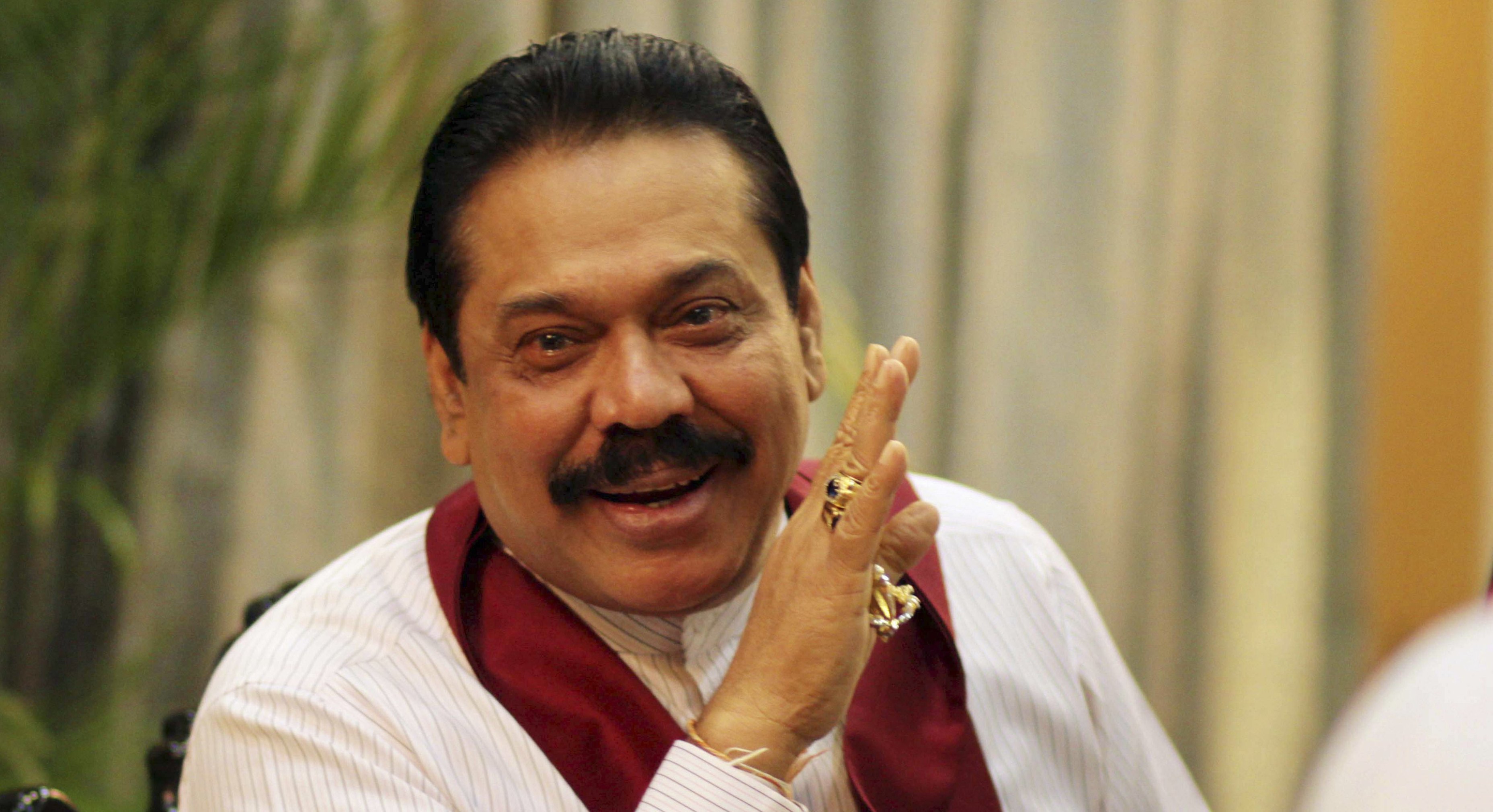
Sri Lankan Prime Minister, Mahinda Rajapaksa, has caved to nationalist demands against Indian involvement in the East Container Terminal (ECT), promising trade unions that it would be 100 per cent by Sri Lankan Port Authority.
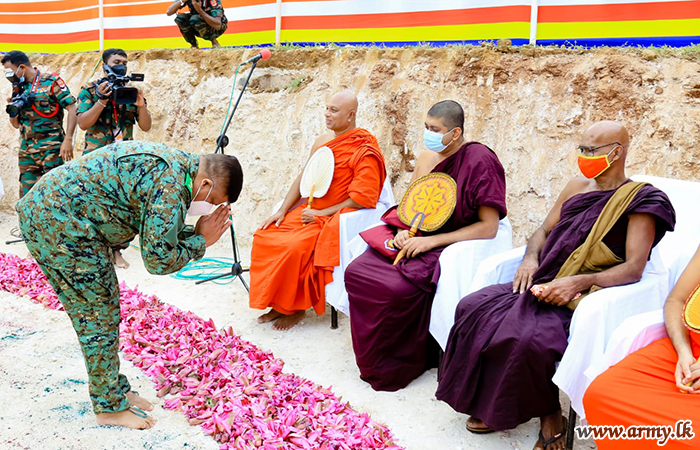
Accused war criminal Shavendra Silva attended a ceremony to lay the cornerstone for the construction of a 100ft Buddhist Stupa in Jaffna.
The ceremony was attended by all departments of the military and members of the Buddhist clergy. Silva was invited as the chief guest by the Commander of the Jaffna security force, General Priyantha Perera. Kandyan drummers led the accused war criminal to the site where he laid the foundation stone.
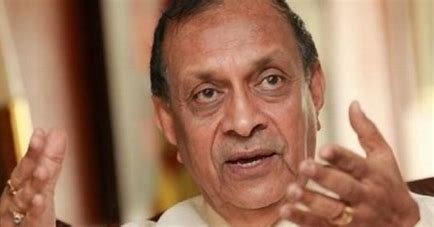
At least 117 journalists have been killed of have disappeared since 1981 and an "innumerable number have been subjected to great repression", stated the former Sri Lankan MP Karu Jayasuriya.
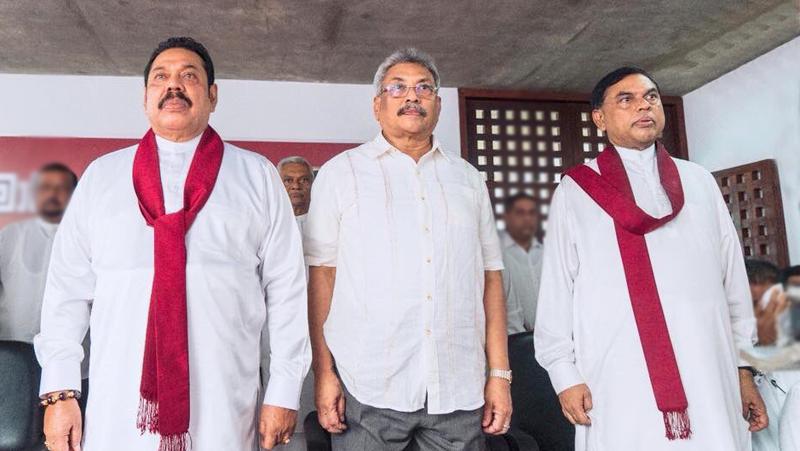
Family members of Sri Lanka’s political elite have been appointed to foreign posting whilst the Foreign Ministry insists that the decision based on experience and educational qualifications.
Colombo Telegraph has alleged to have received a leaked report by Sri Lanka’s Presidential Commission of Inquiry on political victimisation, which is to be used to exonerate and acquit war criminal and money launders and punish respondents.
M K Stalin, president of the Tamil Nadu opposition party Dravida Munnetra Kazhagam (DMK), has urged the Indian Prime Minister to take the lead with a stronger line on Sri Lanka at the upcoming UN Human Rights Council (UNHRC) session.
In a letter sent to Prime Minister Narendra Modi last week, Stalin was critical of Indian foreign minister S Jaishankar's silence on the UNHRC process during his recent visit to Sri Lanka.








.jpg)