• Japan looks to strengthen bilateral relations with Sri Lanka despite human rights concerns

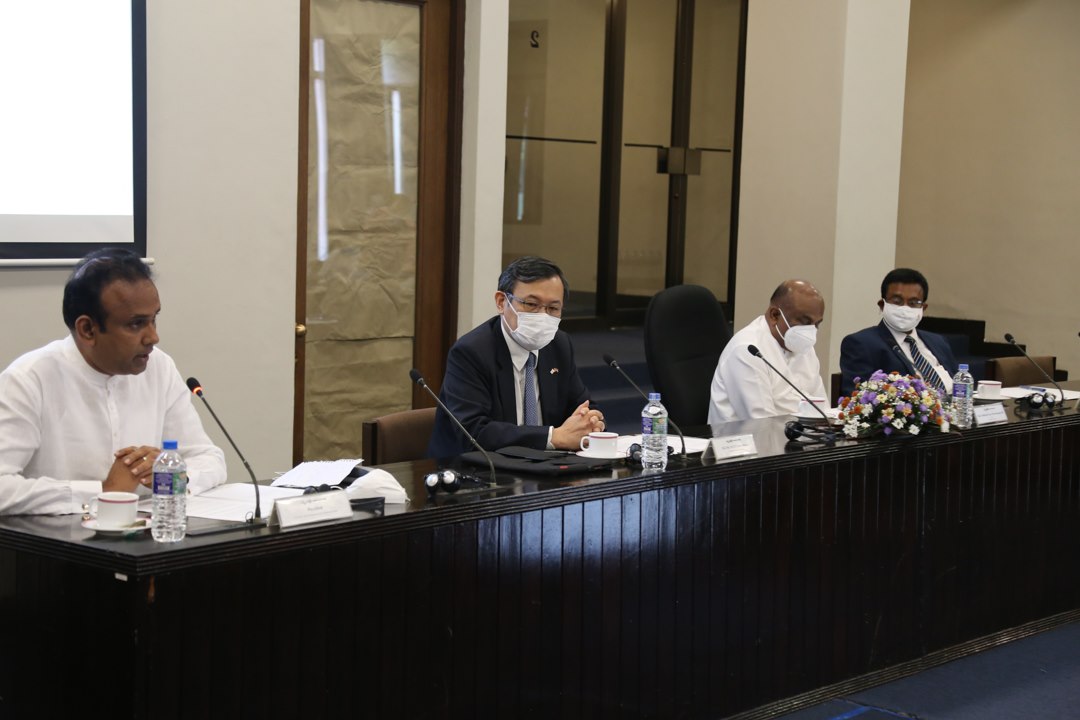
    Addressing a meeting held by the Sri Lanka-Japan Parliamentary Friendship Association, Japan’s ambassador to Sri Lanka, Sugiyama Akira, expressed Japan's interest to broaden the scope of our bilateral relations over the coming years despite concerns over Sri Lanka’s human rights record.

  • Replacement Mullivaikkal memorial unveiled at Jaffna University

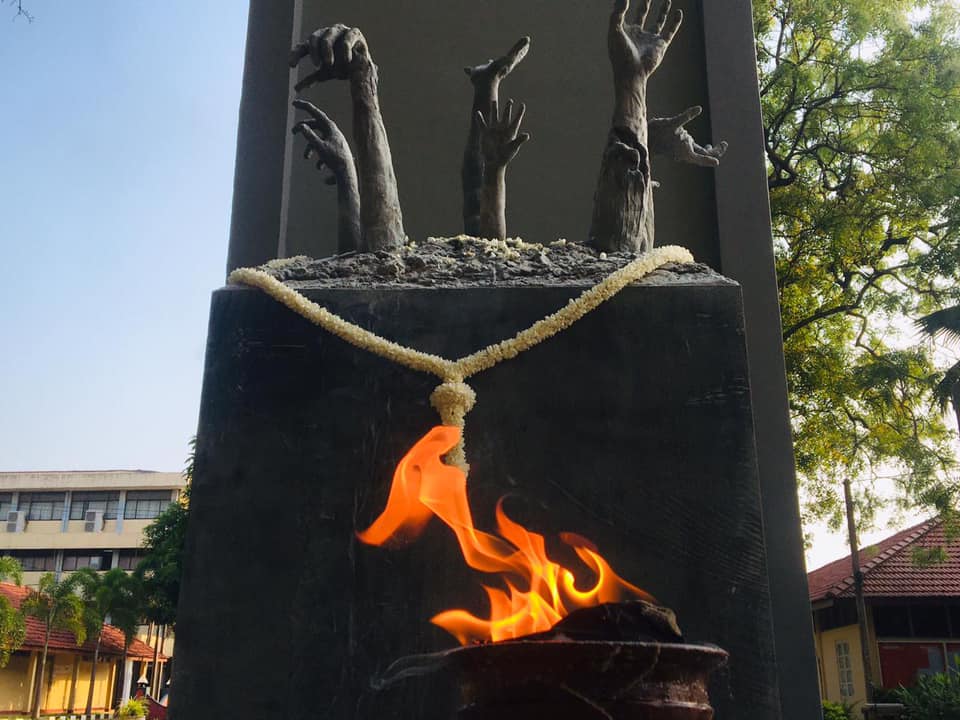
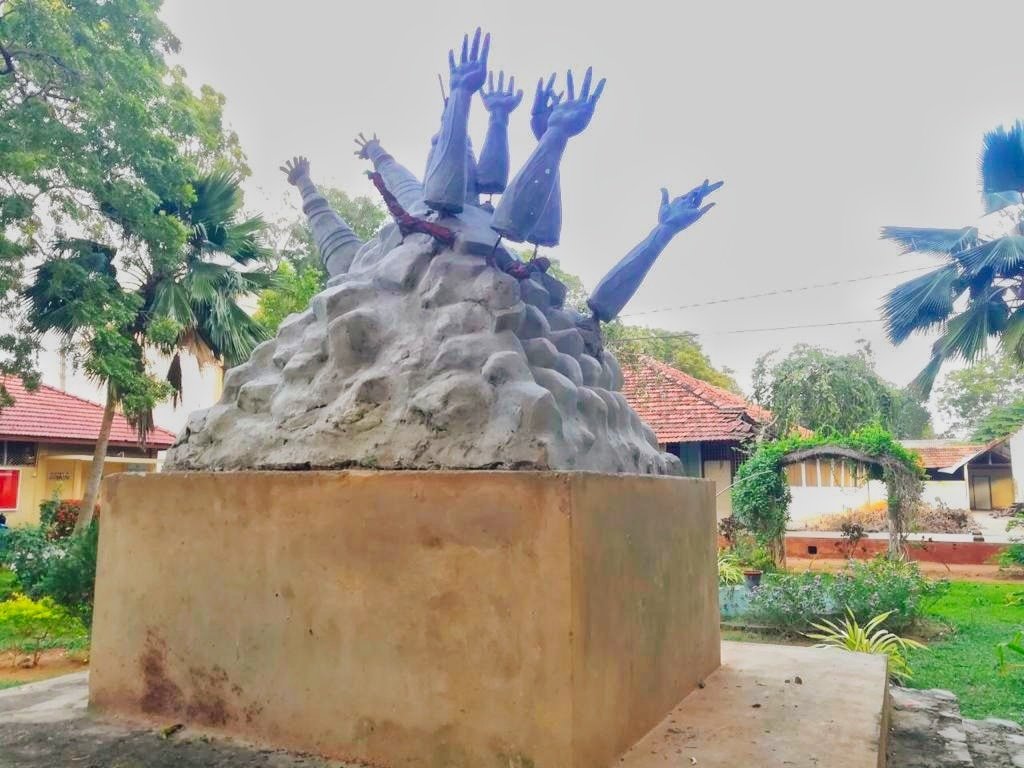
    The replacement Mullivaikkal memorial was unveiled this morning at the University of Jaffna, after it was destroyed by Sri Lankan authorities earlier this year. 

  • Memorial erected in Batticaloa for victims of Easter Sunday attacks  

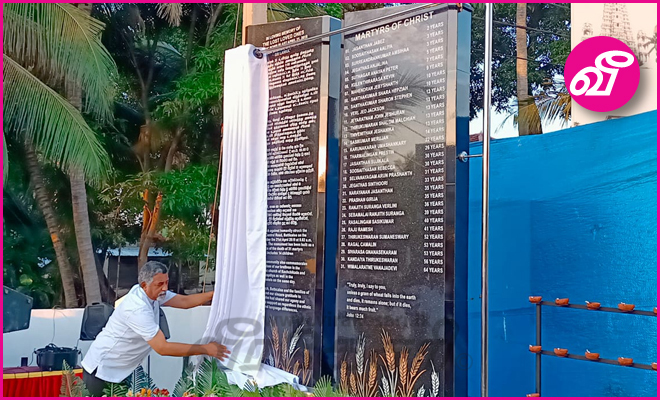
    A memorial monument has been constructed in memory of the 31 people who perished in an attack on Zion Church in Batticaloa on Easter Sunday two years ago. 

  • Tamil Refugee Council condemns Australia for donating surveillance weapons to Sri Lanka despite human rights concerns

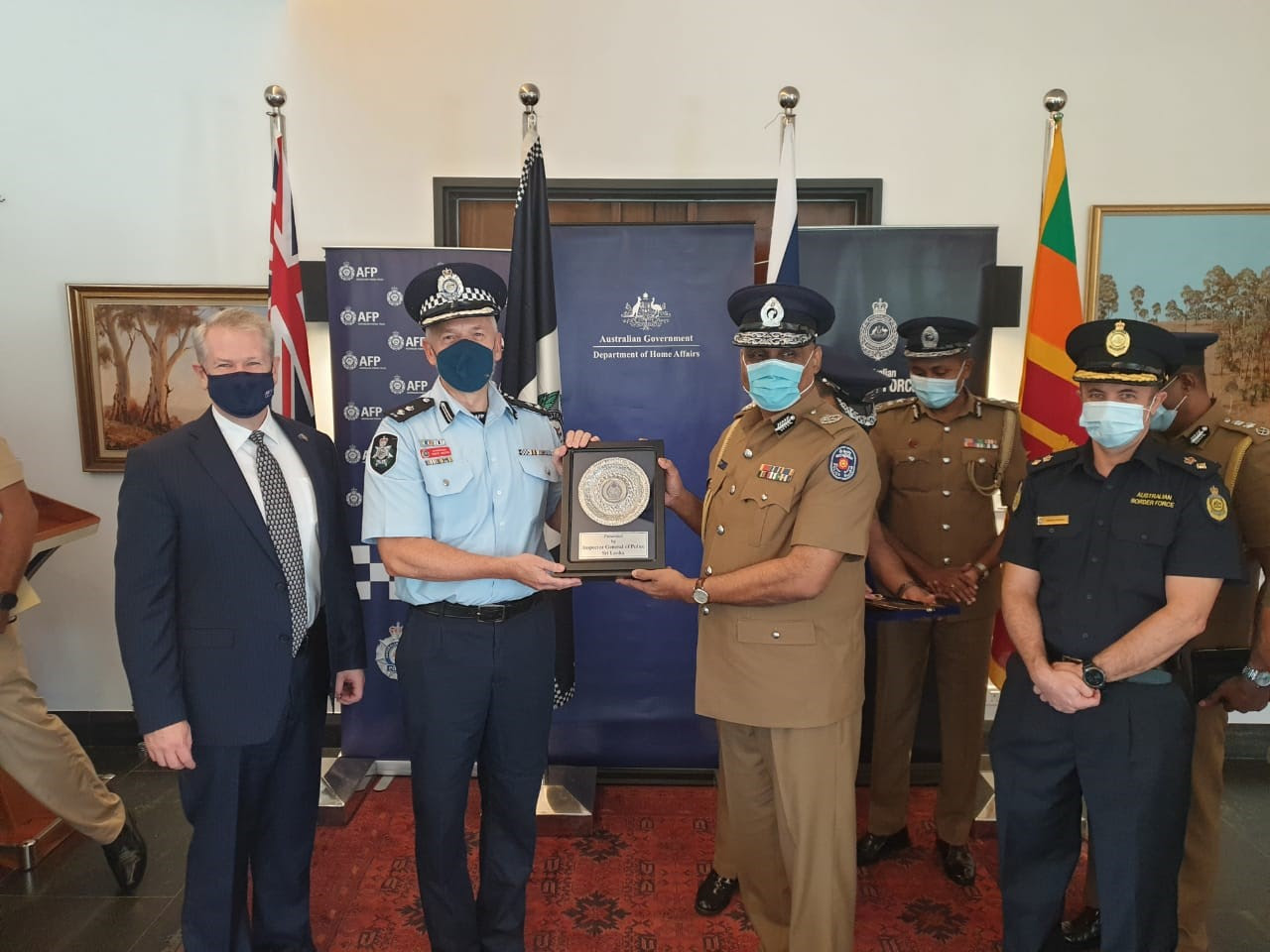
    The Australian government has supplied five aerial drones to the Sri Lankan police, despite international scrutiny at the United Nations Human Rights Council for its domestic “assault on justice.”

  • ‘If Indian fishermen enter our waters, we will arrest them’ - Sri Lanka's Fishery Minister

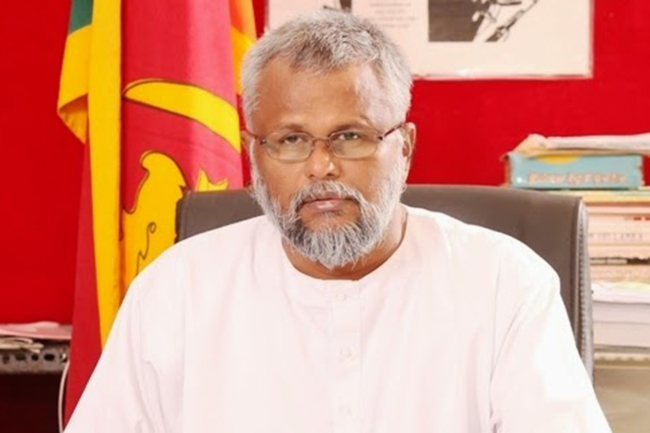
    Sri Lanka’s Fishery Minister, and leader of the pro-government paramilitary Eelam People's Democratic Party (EPDP), Douglas Devananda has maintained that the only solution to fishery disputes will be the continued detention of Indian fishermen.

  • Remembering the blasts – 2 years on from the Easter Sunday attack

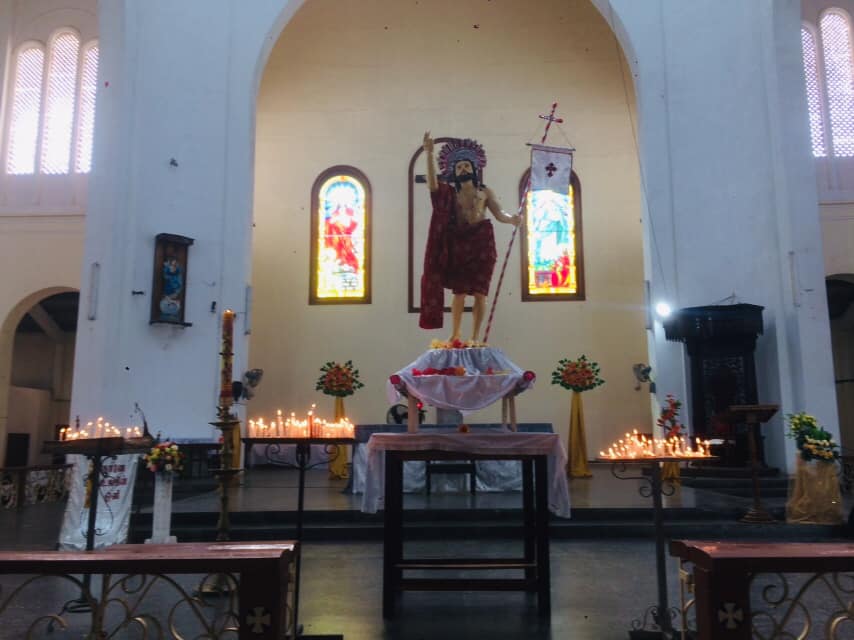
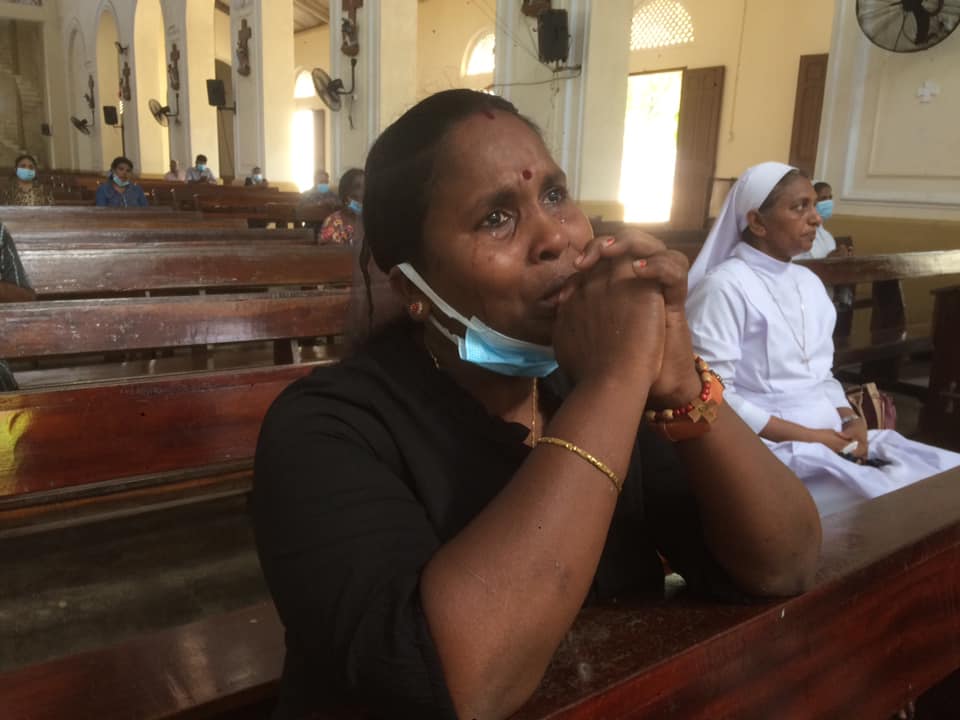
    A woman pays tribute at a church in Jaffna this morning.

    Today marks two years since a series of bomb attacks targeting churches and luxury hotels on Easter Sunday, killing 279 people and injured more than 500 others.

    The attacks, staged by eight bombers who all killed themselves in the attack, saw eight blasts reported in total, attacking luxury hotels and churches in Colombo and Batticaloa. 

    Hotels hit by explosions include the Shangri-La, Kingsbury and Cinnamon Grand hotels and one other, all in Colombo. The three churches struck were the Catholic Shrine of St. Anthony in Kotahena, Colombo, the Catholic Church of St. Sebastian in Negombo and the Zion Church in Batticaloa. At least 45 foreign nationals were amongst the dead.

    Though the Islamic State claimed responsibility for the attacks, with the lesser-known jihadist group National Thowheed Jamaath (NTJ) involved, it soon emerged that Sri Lankan intelligence services were aware that an attack was due to take place on Easter Sunday.

    The aftermath of the attack saw reports of senior Sri Lankan figures being complicit with the previously little known NTJ, mob violence against Muslims and a ramping up of militarisation and securitisation across the island that persists to this day.

  • Easter Sunday attacks commemorated in the North-East

    Remembrance services were held across the North-East today to mark two years since the Easter Sunday attacks that killed 279 people and injured over 500 others. 

  • India’s Foreign Minister calls on Sri Lanka to hold early elections to provincial councils

    Writing to the leader of the AIADMK, M. Thambi Durai, India’s External Minister, S. Jaishankar emphasised the Indian governments demand that Sri Lanka fulfil its obligations to devolution, as stated under the 13th amendment, by holding early elections to provincial councils.

  • Reconstructed Mullivaikkal memorial to be unveiled this week

    The original monument unveiled in 2019 

    The reconstructed Mullivaikkal memorial monument, located at the University of Jaffna,  is set to be unveiled on Friday, April 23, after it was destroyed by Sri Lankan authorities earlier this year. 

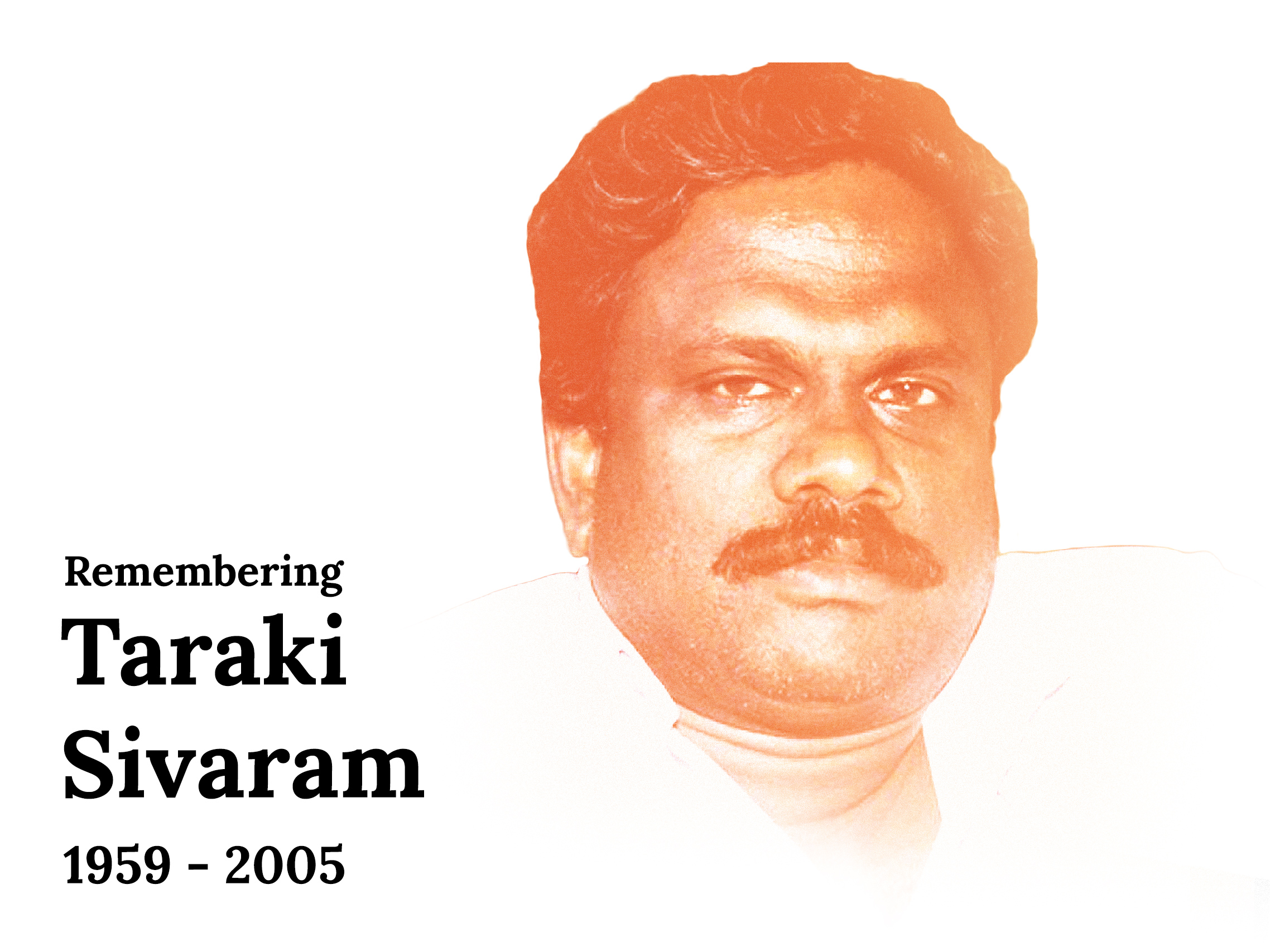
  • Where else should I die but here?' - Remembering Sivaram

    Today marks the sixteenth anniversary since the abduction and murder of Tamil journalist Dharmeratnam Sivaram.
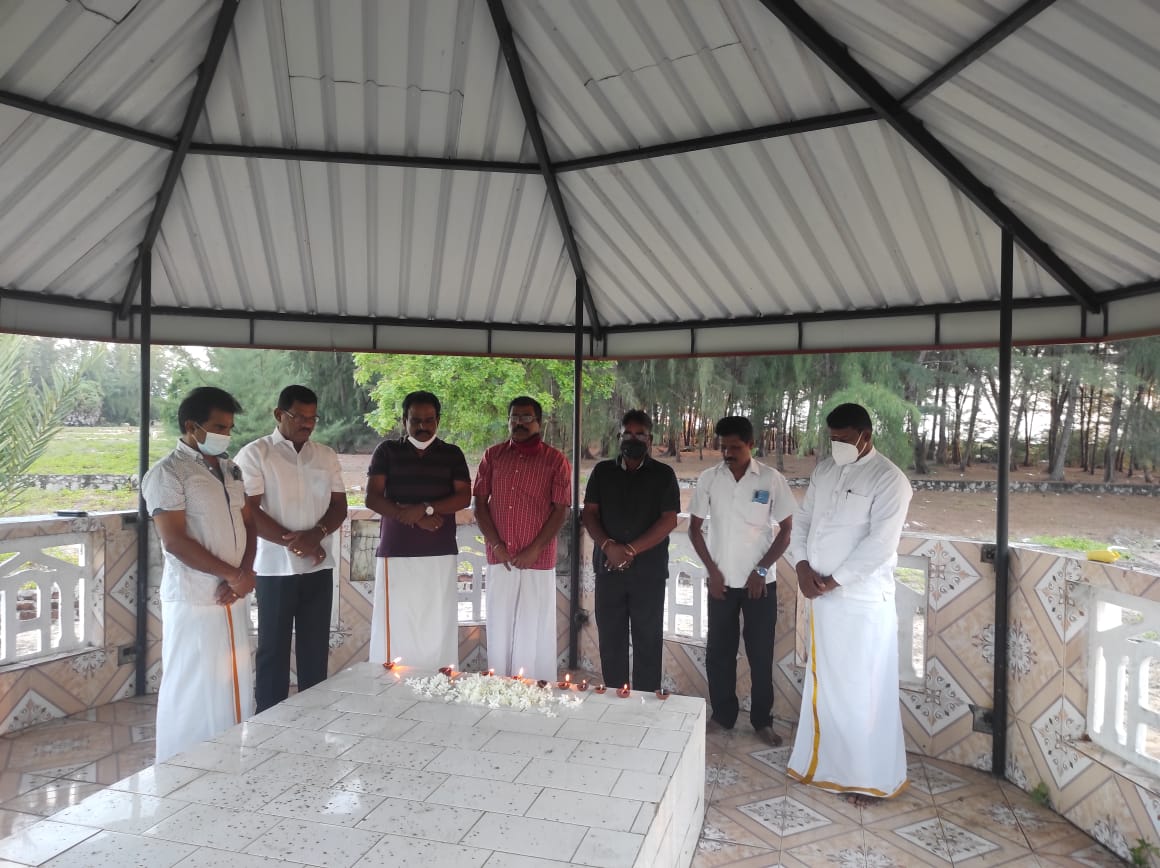
    Sivaram, popularly known under his nom-de-plume Taraki, was abducted in front of Bambalipitiya police station in Colombo on April 28 and was found dead several hours later in a high security zone in Sri Lanka's capital, which at the time had a heavy police and military presence due to the ongoing conflict. His killers, highly suspected to be linked to the government of then-president Chandrika Kumaratunga, were never caught.

  • Annai Poopathy commemorated across Tamil homeland

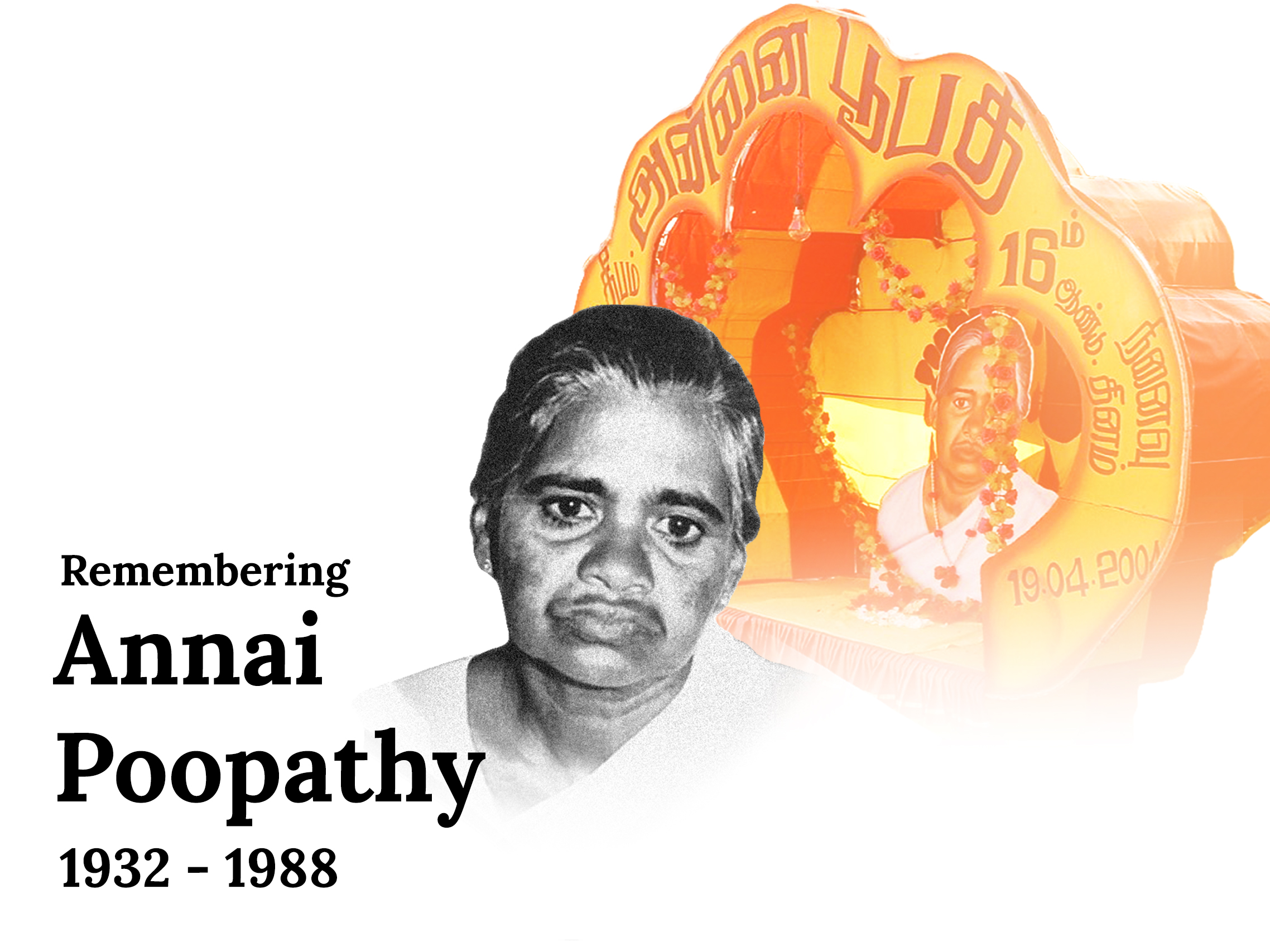
    Annai Poopathy, the Tamil woman and mothers front activist who fasted to her death in protest of the Indian Army’s abuses in 1988, was commemorated across the Tamil homeland on the anniversary of her death on Monday.

  • The vice tightens

    Across the North-East, a crackdown is in full effect. Despite a renewed international focus on the island’s human rights record following the passing of yet another UN resolution on Sri Lanka, the state has decided to respond by doubling down on its repression. The expansion of the Prevention of Terrorism Act (PTA), the proscription of hundreds of Tamil diaspora members and the brazen arrest of Jaffna Mayor Viswalingam Manivannan show that Colombo will not respond to calls for reform. These actions, whilst shrouded in the rhetoric of national security, lay bare the intentions of the Sri Lankan state, not only to block justice for genocide and mass atrocities but also to deny even the slightest degree of autonomy to Tamils.

  • Sri Lanka to introduce legislation targeting speech on social media

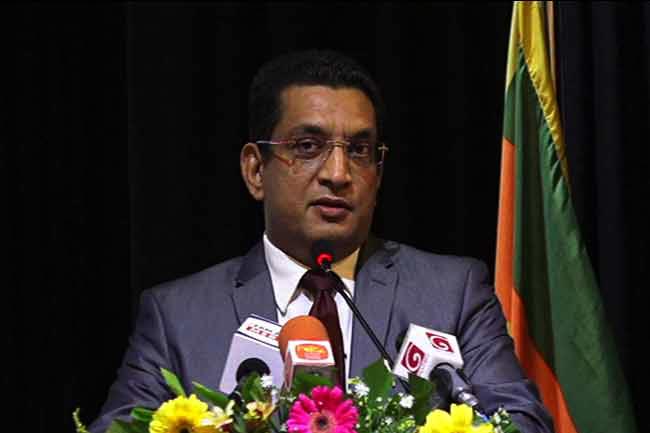
    Sri Lanka’s Justice Minister, Ali Sabry, has announced plans for new legislation in Sri Lanka to curb speech on social media under claims of tackling “fake news”.

  • Remembering Annai Poopathy

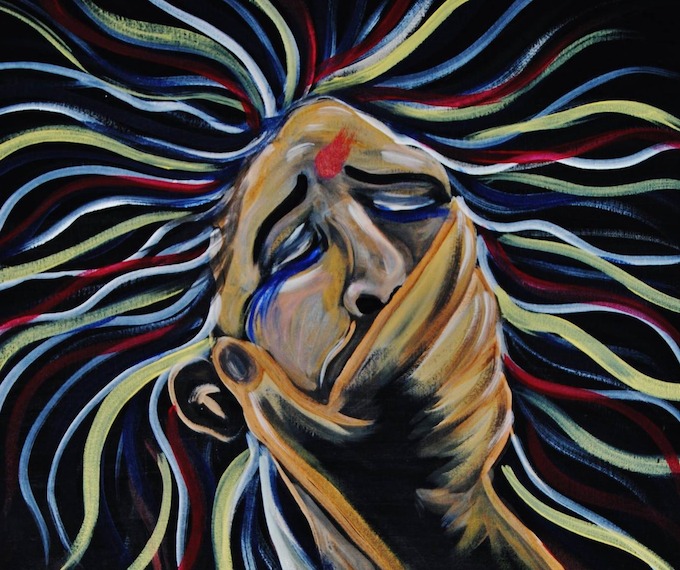
    Image courtesy of @saygi

    Today marks 33 years since the death of Annai Poopathy, a Tamil woman who fasted unto death in protest against the atrocities committed by Indian Peace Keeping Forces (IPKF).

Subscribe to Tamil Affairs