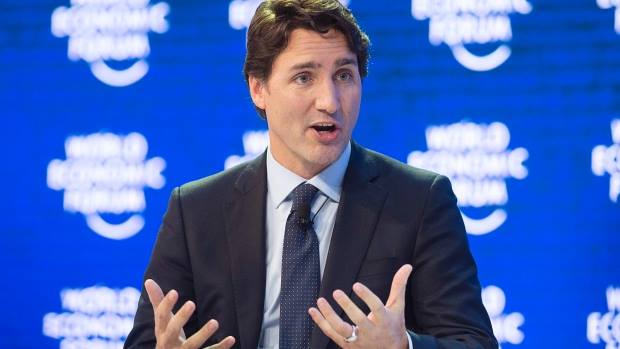
Canadian Prime Minister, Justin Trudeau, remembered the “victims of the horrific events” of Black July, which took the lives of thousands of Tamils 38 years ago.
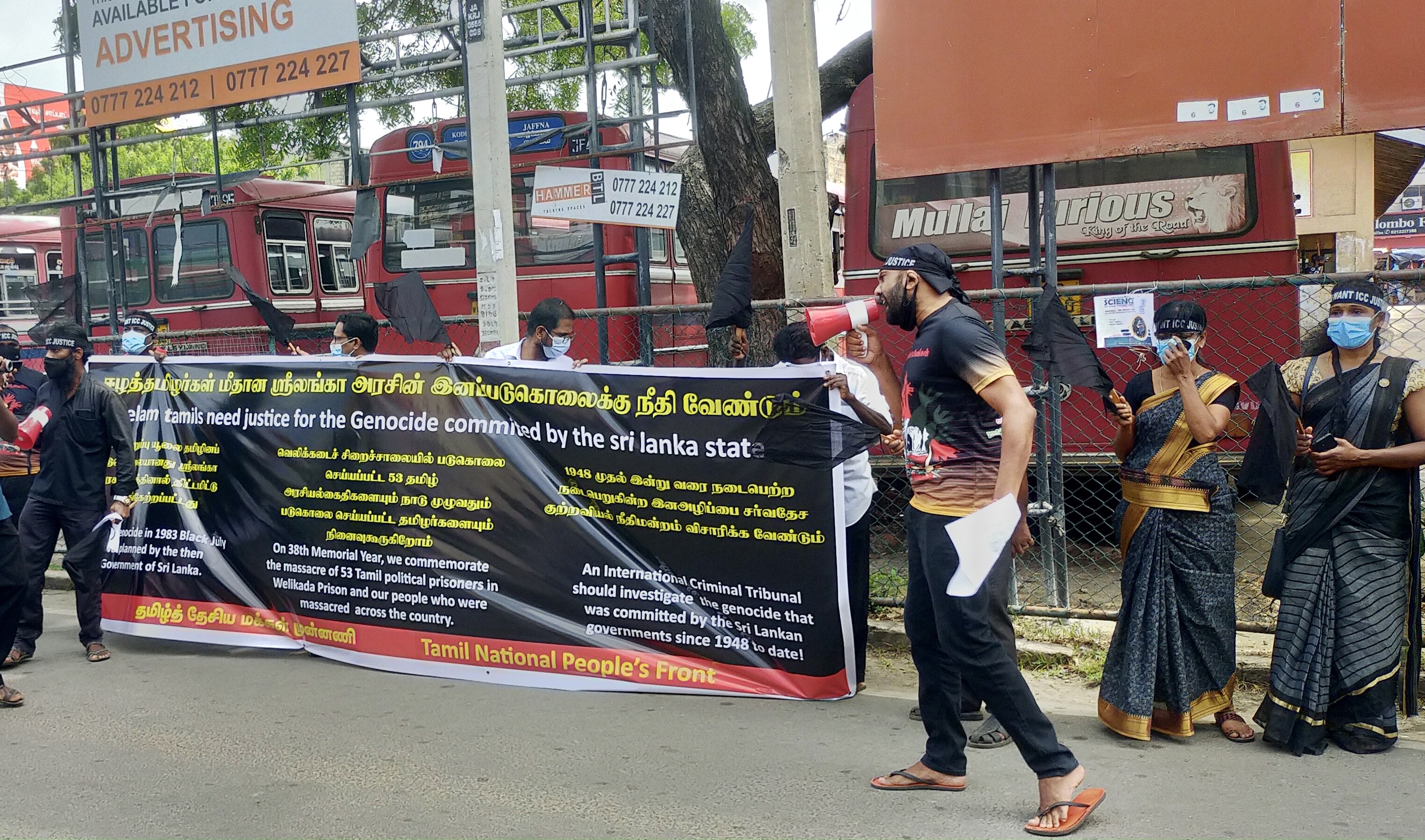
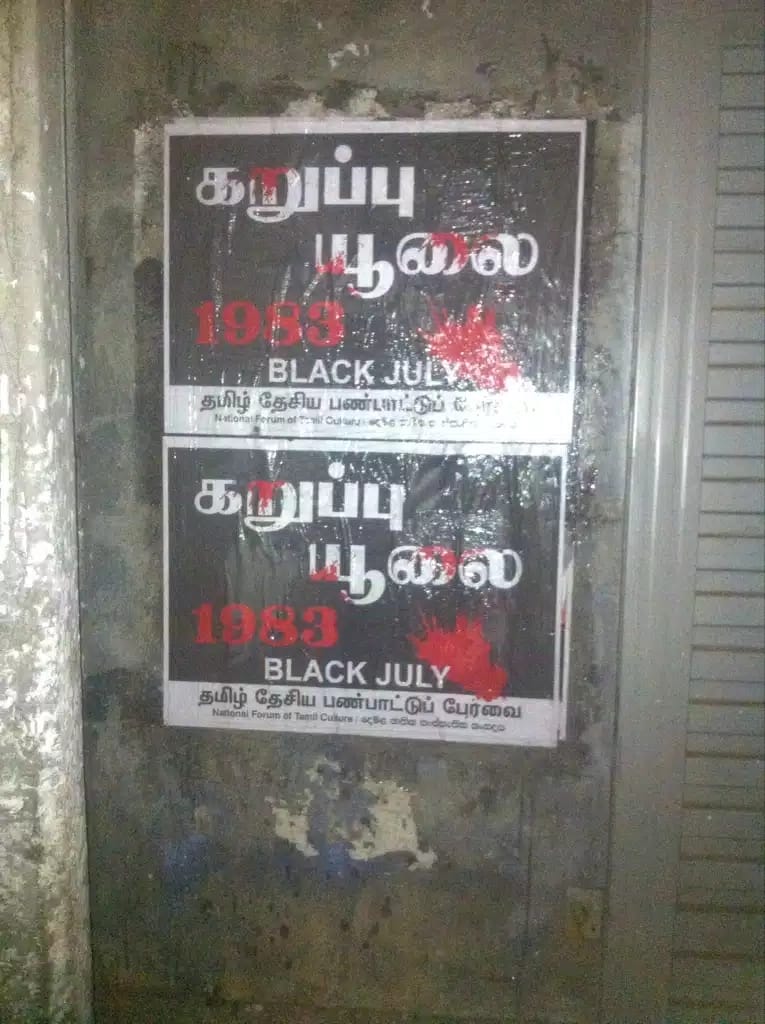
Protesters in Jaffna marked the 38th anniversary of Black July, the horrific anti-Tamil pogrom of 1983 when thousands of Tamils were killed by Sinhala mobs backed by the then UNP government and state forces.
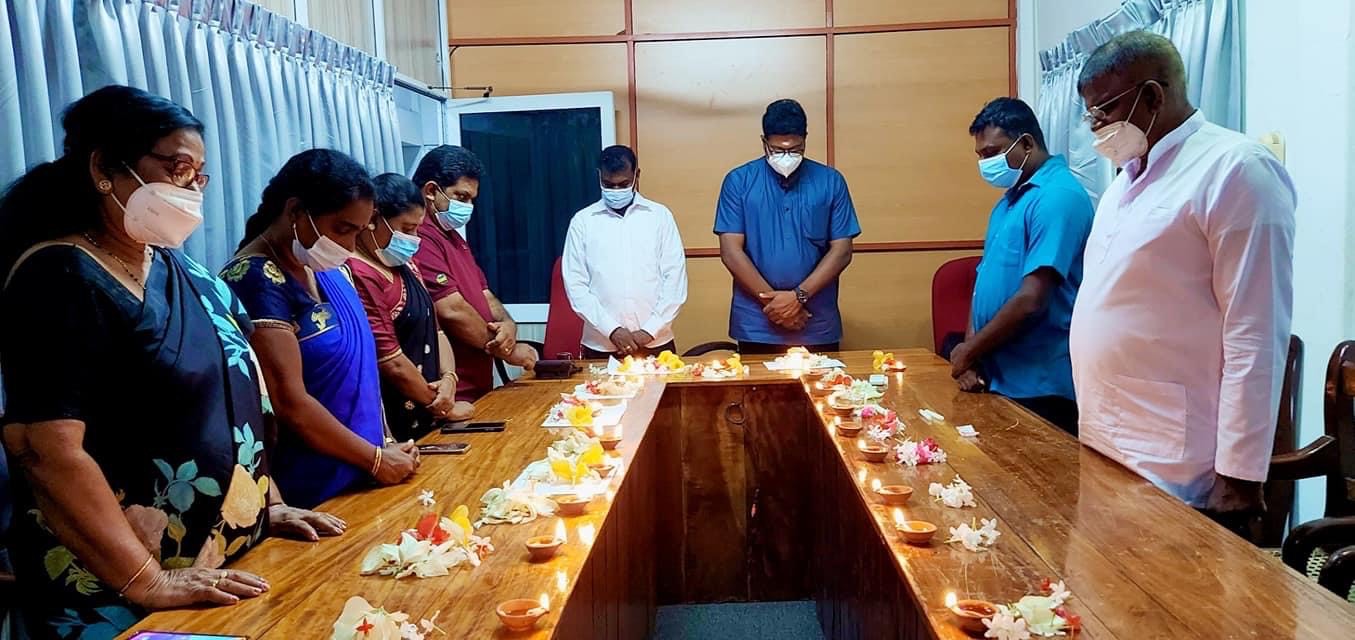
Jaffna Municipal Council marked the 38th anniversary of Black July by paying tribute to the thousands of Tamil lives lost during the anti-Tamil pogrom of 1983.
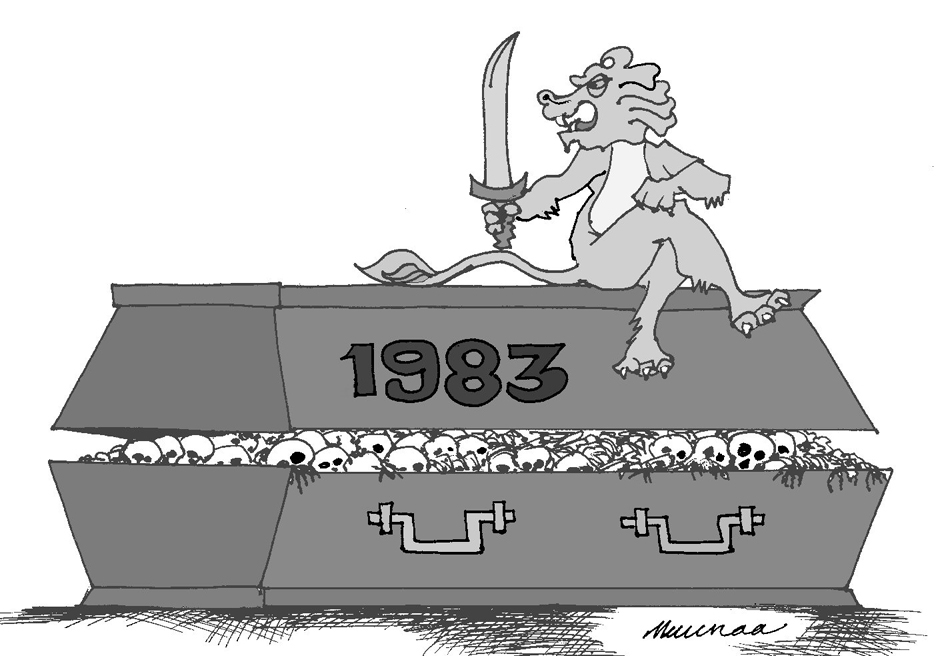
This year marks 38 years since Black July: the anti-Tamil pogrom where thousands of Tamils were killed by brutal state-supported Sinhala mobs. It was a week of violence that saw Tamils murdered, tortured and displaced. It remains a premeditated and meticulously coordinated act of genocide. The remnants of this pogroms however, still reverberate across the island to this very day. Recent months in particular, carry concerning parallels to the period leading to 1983’s explosive violence, as Sri Lanka returns to patterns of the past with press suppression, arbitrary and racist detention, military occupation and unchecked state violence running devoid of consequence.
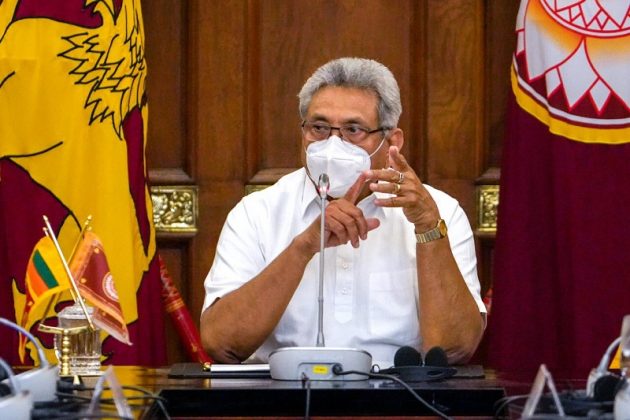
The Presidential Commission of Inquiry for Appraisal of the Findings of Previous Commissions and Committees on Human Rights and the Way Forward provided President Gotabaya Rajapaksa with its interim report on Wednesday calling for the Prevention of Terrorism Act to be reformed instead of repealed.
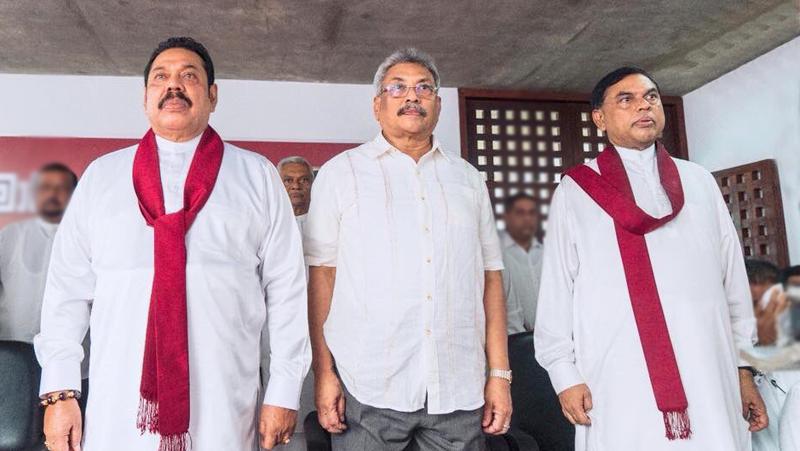
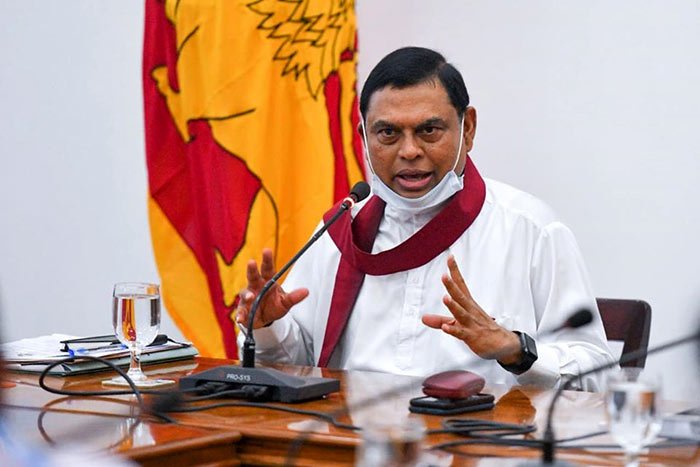
Following the appointment of Basil Rajapaksa to the cabinet, the Economist highlights growing unrest throughout Sri Lanka including farmers, teachers, war victims, and civil society actors. In light of this growing unrest, the Economist writes that “the Rajapaksas’ suffocating hold on power look like a weakness”.
In advance of the Moody Investor Service placing Sri Lanka “under review for downgrade” Sri Lanka’s Ministry of Finance slammed the agency’s announcement claiming that it was “ill-timed, ill-judged and hence unacceptable’.
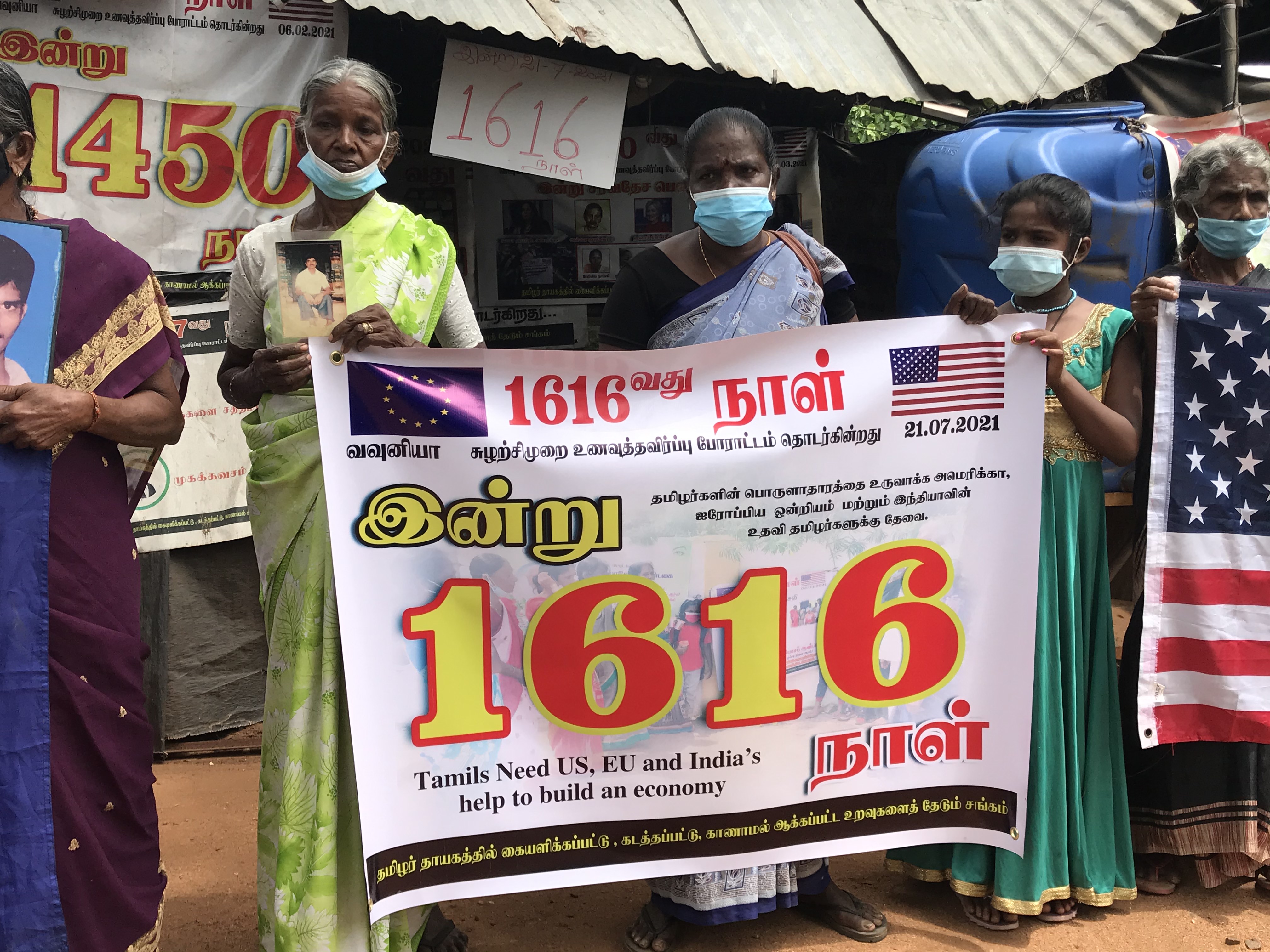
Vavuniya Families of the Disappeared marked 1,616 days of continuous protest yesterday, as they continued their struggle for justice and accountability.
The demonstrators, who have been protesting to know the whereabouts of their forcibly disappeared loved ones, stated, “our economy has been looted by the by the Sri Lankan Army, especially our agriculture, trade, fisheries and infrastructure sectors.”
Tamil National People’s Front (TNPF)’s legal advisor and Tamil lawyer, Sugash Kanagaratnam insisted that “international pressure is crucial for the repeal of the Prevention of Terrorism Act (PTA).”
During a press conference last month, he said:
“Whilst the international pressure is crucial in the repeal of PTA, it is equally important for diaspora Tamils and Tamils across the North-East to unite together and voice against the PTA.”
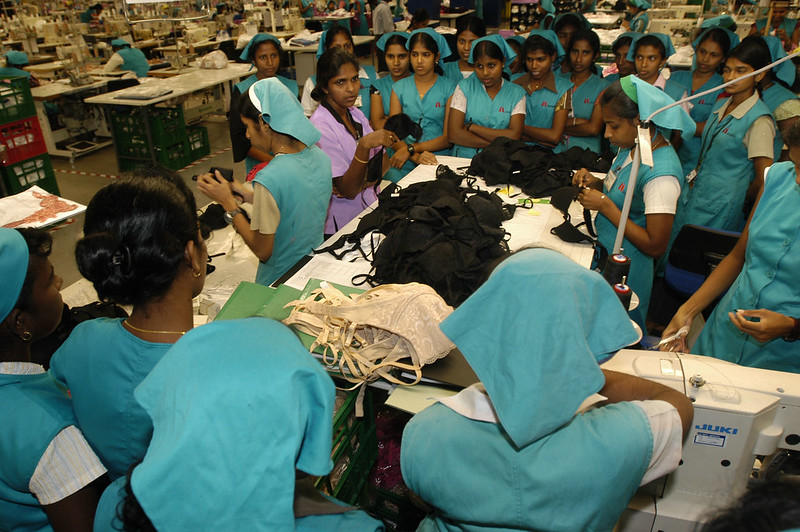
Following a recent meeting of the Joint Apparel Association Forum (JAAF), attended by Sri Lanka’s Foreign Secretary and State Minister Tharaka Balasuriya, the Secretary of the JAAF claimed that progress was being made and expressed optimism over the continuation over the GSP+ trading arrangement.
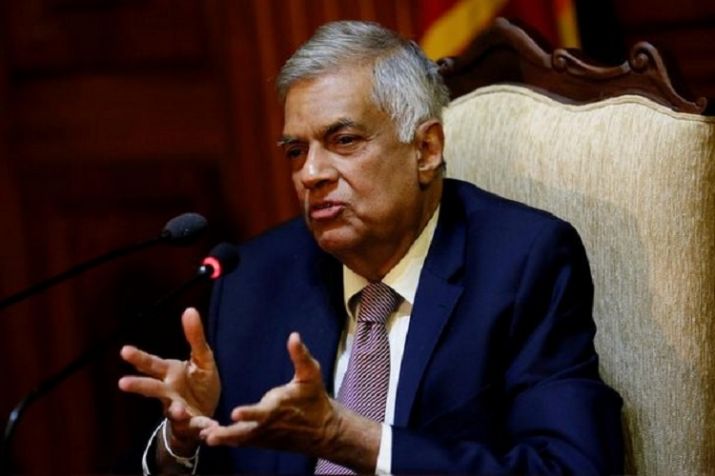
Speaking in Parliament, former Sri Lankan Prime Minister, Ranil Wickremesinghe admitted that the Government of India had alerted Sri Lanka’s Police intelligence service of the Easter Sunday attacks hours prior to the incident however the police failed to act.
Over 270 people lost their lives during the attack and a further 500 were injured.
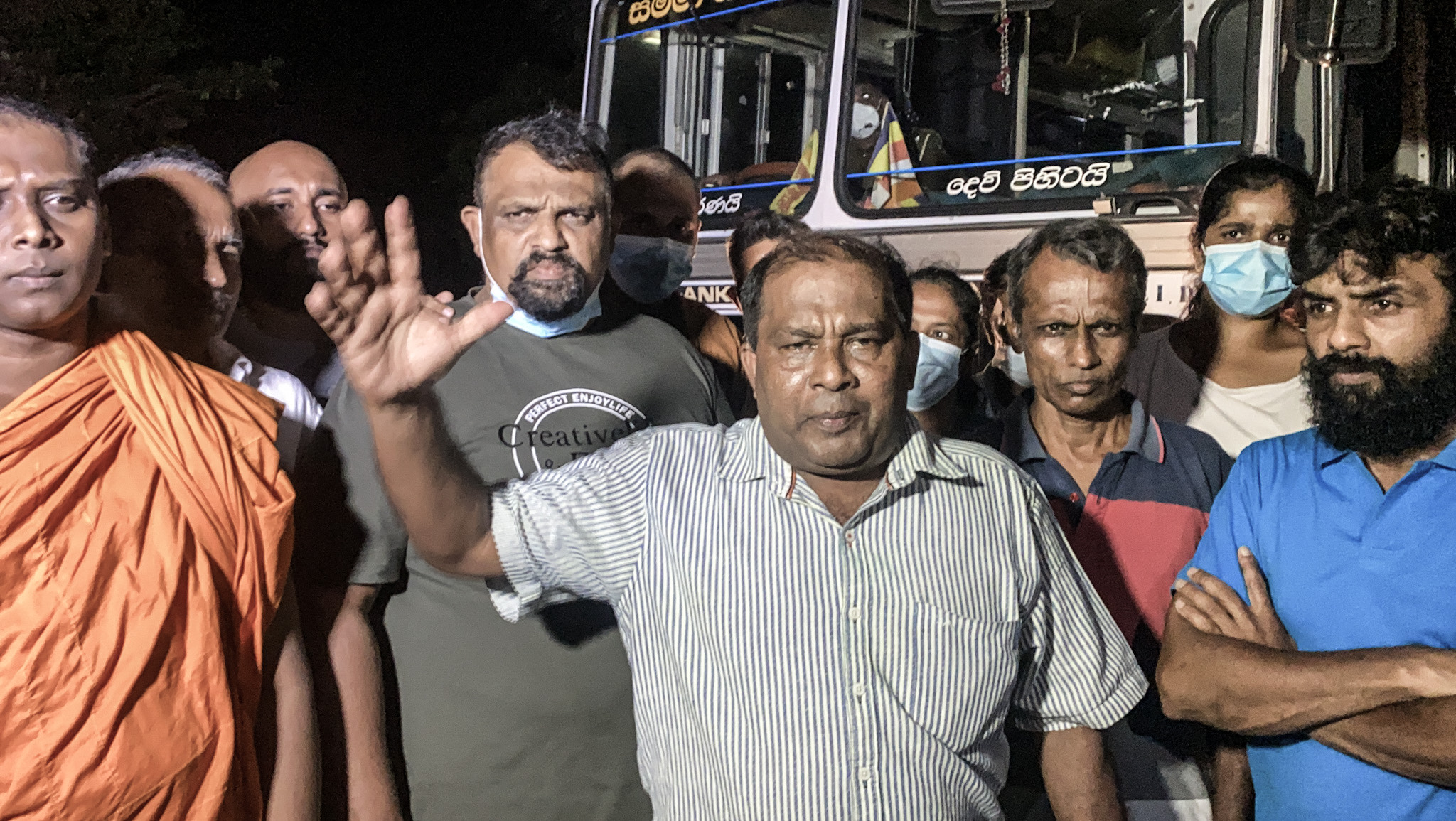
Ceylon Teachers’ Union (CTU)’s secretary, Joseph Stalin and 15 other union members who were arrested and kept at the Keppapulavu Air Force camp, were released on Friday morning following mounting condemnation of their detention.
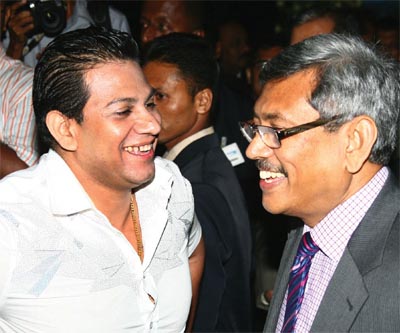
Sri Lankan President, and accused war criminal, Gotabaya Rajapaksa has appointed convicted Murder and former MP Duminda Silva as the chairman of the National Housing Development Authority.