

Awaiting Justice
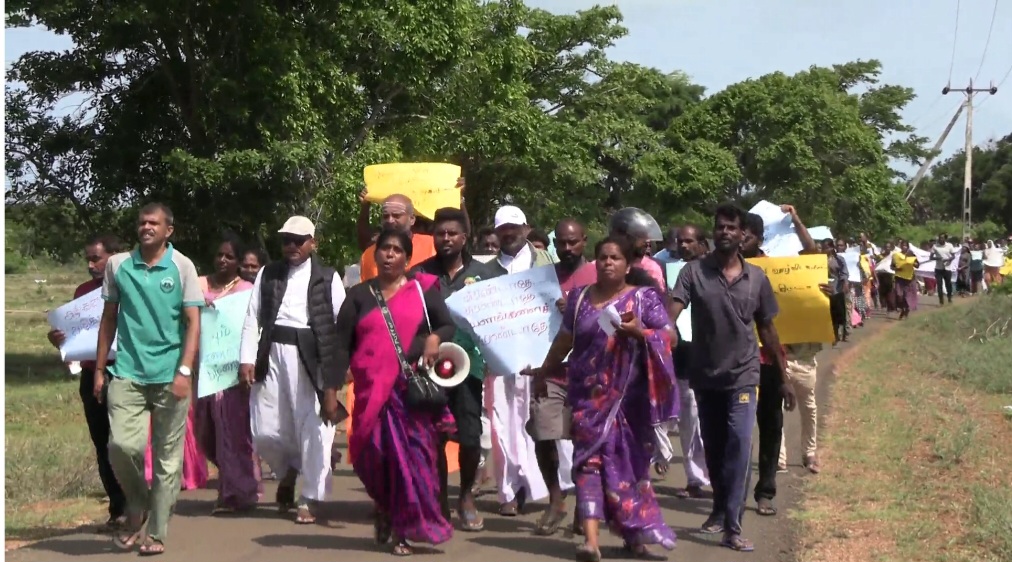
The UN Human Rights Council’s decision to give the new government 6 months to cooperate with the OHCHR Investigation on Sri Lanka (OISL), in view of gathering more information, and defer the publishing of the UN inquiry into mass atrocities till September, has been met with mixed reactions. Whilst Colombo celebrates what it sees as a diplomatic coup, human rights groups have cautiously welcomed the prospect that more evidence can be found. However, Tamil victims, witnesses and campaigners for justice have expressed deep disappointment that justice, denied to them for so long, is delayed once again.
Describing it as a “difficult decision”, the High Commissioner for Human Rights, Zeid Ra’ad Al Hussein’s acknowledged the inevitable disappointment of witnesses, but said the decision was based on the promise of “broad cooperation” by the new government and the prospect of “a stronger and more comprehensive report”. Mr Zeid’s unequivocal statement that the deferment was “for one time only” and his personal commitment to ensure its release at the Council’s 30th session is welcome. However, despite the new government’s very basic promises (outlined in the foreign minister’s letter to Mr Zeid), the Tamil people’s deep scepticism that it will deliver on them remains palpable - nowhere more so than in the North-East.
