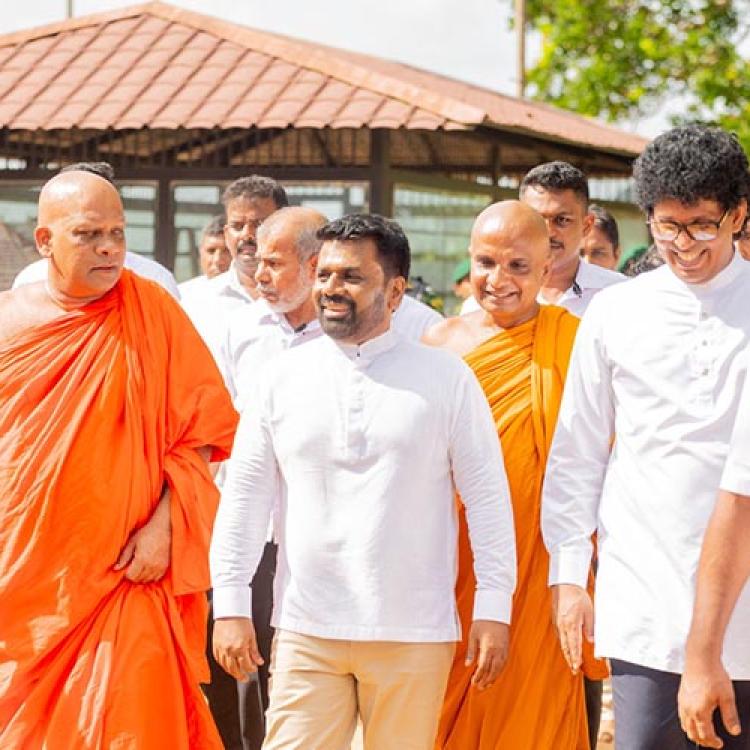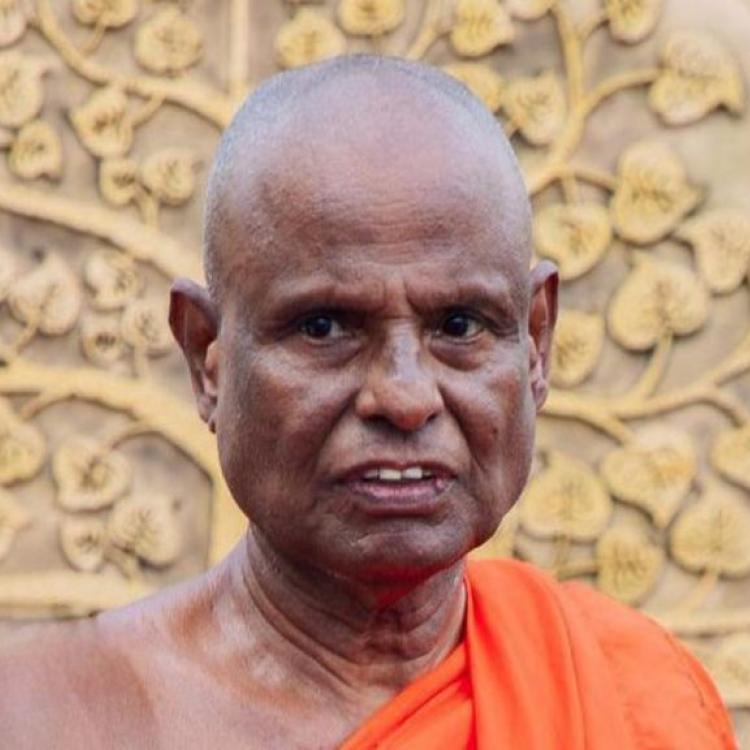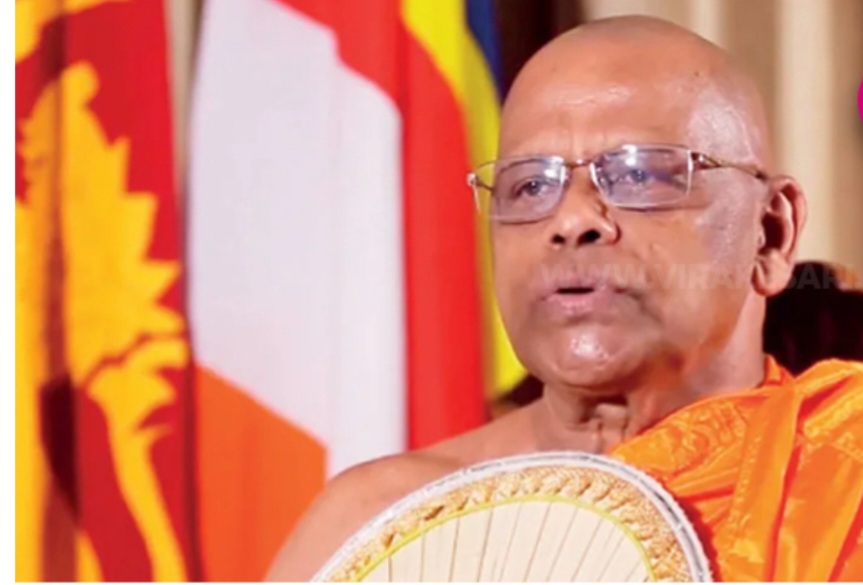
The Chief Prelate of the Asgiriya Chapter, one of Sri Lanka's most senior Buddhist authorities, has called on all the major Buddhist traditions, including the Theravada, Mahayana and Thanthirayana, to unite in safeguarding the "purity and dignity" of the Buddhist Sasana, amid what he described as mounting challenges facing the clergy.
His appeal comes as the Sinhala Buddhist establishment faces unprecedented public scrutiny following a wave of criminal allegations against monks, among them cases of child sexual abuse.
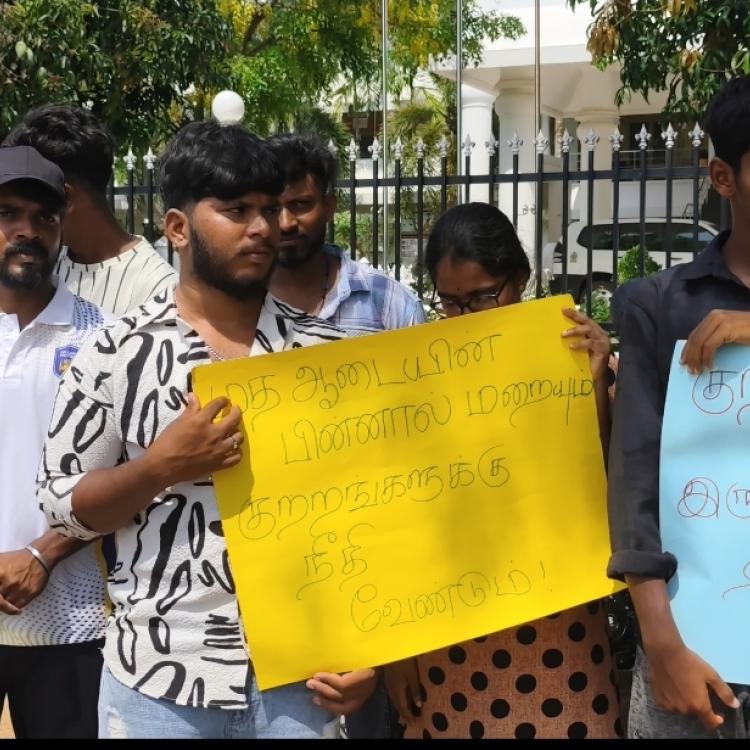
In May, Sri Lanka's National Child Protection Authority disclosed, in response to a freedom of information request, that nearly 300 monks had been accused of child abuse over the previous three years, with more than 70 per cent of the complaints concerning sexual offences, and charges brought against around 30. The disclosure came shortly after the arrest of one of the country's most senior clergymen, Pallegama Hemarathana, the 71-year-old custodian of the venerated Jaya Sri Maha Bodhi at Anuradhapura, over the alleged sexual abuse of a minor, a case that has shaken the Sinhala Buddhist south.
Delivering a sermon on Sunday following a religious observance at a temple in Meerigama, the prelate said Buddhist monks were increasingly the targets of defamatory campaigns waged through various means. Such efforts, he alleged, had been orchestrated over a long period, and in the past those responsible had been people who opposed Buddhism and promoted anti-Buddhist views.
The present situation, he claimed, was more troubling still, because individuals from within the Sinhala Buddhist community, including monks themselves, were now being used to undermine the clergy and the religion, a development he described as a serious matter requiring careful examination. He urged Buddhists to respond with wisdom and discernment whenever allegations were levelled against monks, and neither to yield to provocation nor to be drawn into unrest or conflict.
He closed by calling for collective consultation and coordinated action across the traditions to defend what he called the spiritual foundations of the religion, saying the Asgiriya Chapter hoped to lead such a united effort and appealing for the support of all sectors of society.
The framing casts a documented child-protection crisis as an assault on the faith.
The National Child Protection Authority has itself pointed to the difficulty of holding senior clergy to account, its legal officer telling a court that the authority had, in effect, to force the police into arresting Hemarathana, and its founding chairman noting that the elevated status of monks, often wealthy and powerful figures, shields those accused of offences against children.
Many Sri Lankan media outlets declined to report Hemarathana's arrest at all, a measure of the deference that surrounds the clergy. Against that backdrop, the characterisation of critics, including monks who speak out, as instruments of anti-Buddhist forces risks recasting calls for accountability as sedition against Buddhism itself.
The Buddhist clergy wields immense political and social influence in Sri Lanka, and orders such as the Asgiriya and Malwatte chapters have long stood at the centre of Sinhala-Buddhist nationalism, including in opposition to Tamil political rights and the devolution of power to the North-East.