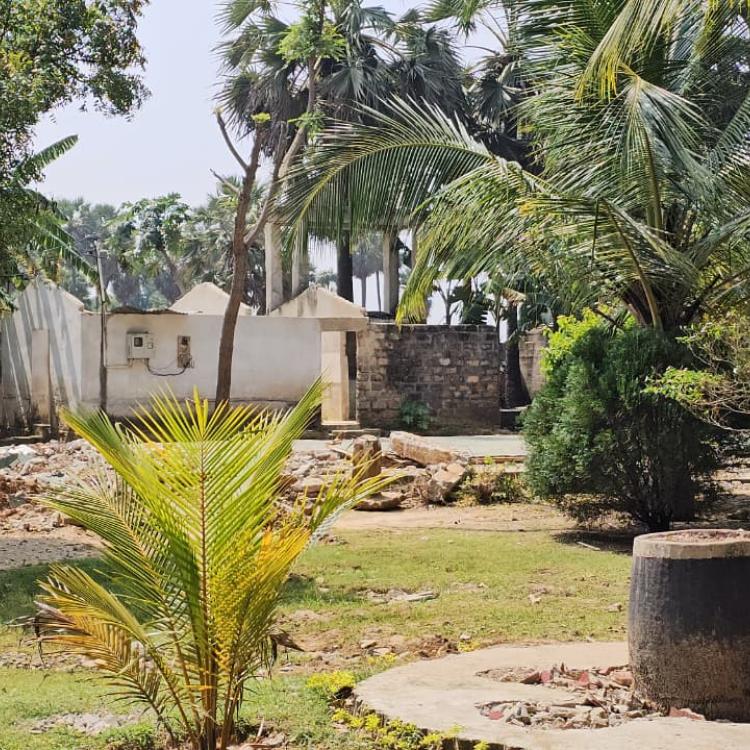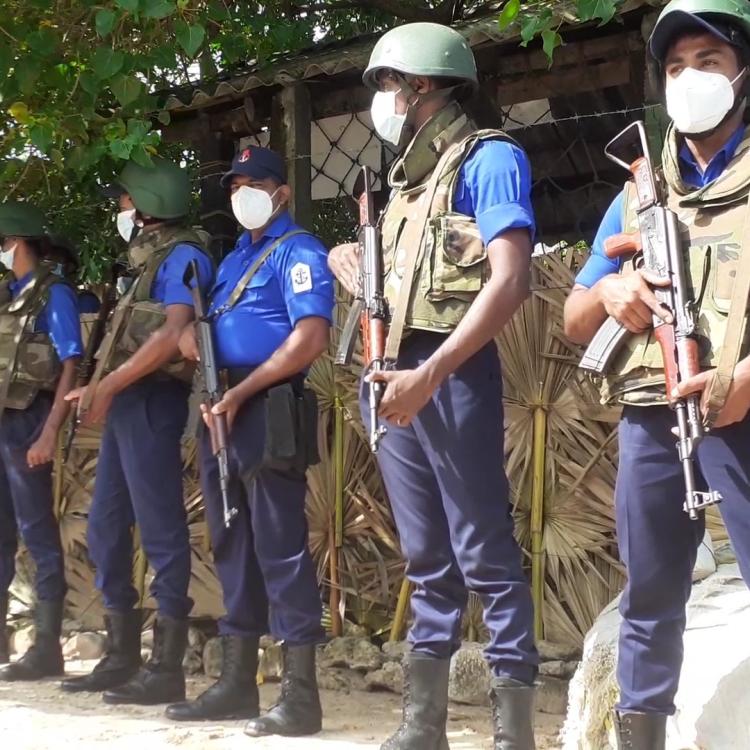
Sri Lanka’s government has pledged to release a portion of privately owned lands in Valikamam North, Jaffna, ahead of the Sinhala and Tamil New Year in April, even as the wider military occupation of the Tamil homeland remains firmly in place.
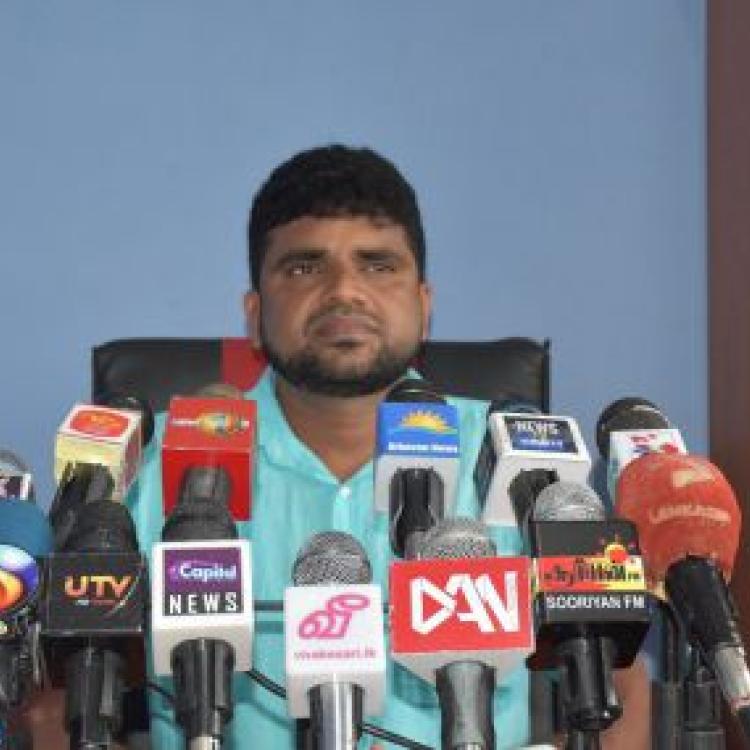
The announcement was made by Fisheries Minister Ramaligam Chandrasekar, who stated that a limited number of areas currently under the control of Sri Lankan security forces would be returned to civilian owners in the coming months.
He said that the Sri Lankan government remains committed to restoring private lands to their “rightful owners”, acknowledging that “certain private lands have yet to be released” nearly seventeen years after the end of the armed conflict.
According to the minister, a phased programme has been initiated to return privately owned lands in Valikamam North, currently held by the security forces, to their legitimate proprietors. He added that, in line with directives from Sri Lankan president Anura Kumara Dissanayake, arrangements are being undertaken by the Ministry of Defence to hand over selected areas in Valikamam North to the public by April.
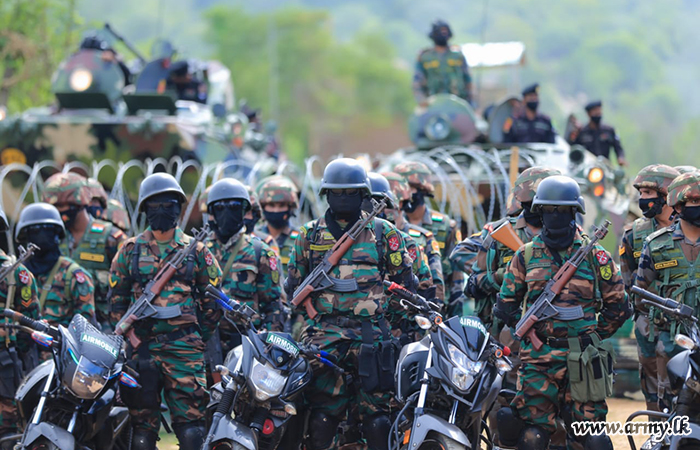
Chandrasekar justified the prolonged occupation by stating that “extraordinary circumstances” during the war had required private lands in the Northern Province to be retained for “security purposes”. However, large swathes of civilian land across Valikamam North and other parts of the Tamil homeland remain under military control, despite repeated assurances from successive governments that they would be released.
The minister also claimed that Dissanayake is placing considerable emphasis on development in the Northern Province. He pointed to plans to expand Jaffna International Airport and Kankesanthurai Harbour, alongside road rehabilitation projects and the renovation of fish landing centres aimed at supporting Northern fishermen.
While Colombo has repeatedly framed such initiatives as evidence of post-war development, Tamil residents have long argued that economic projects have taken place alongside ongoing land occupation, militarisation and restrictions on traditional livelihoods.
In Valikamam North, tens of thousands of acres of land were seized during the war and incorporated into High Security Zones. Though some parcels have been released in recent years, many families remain unable to return to their homes or access their lands. Local representatives have repeatedly warned that even in areas that have been partially reopened, security forces continue to maintain a presence or use lands for their own economic activities.
The latest pledge to release “selected areas” has therefore been met with caution by local communities, who have seen similar announcements made in the past without full implementation. For many in the Tamil homeland, the central demand remains the complete return of all civilian lands and the dismantling of the extensive military footprint that continues to dominate the North-East.