The Association of Relatives of the Enforced Disappeared has called for Tamil history to be reclaimed through independent archaeological research conducted by the University of Jaffna, stressing that Tamil civilisation on the island long predates Sinhala nationalist narratives.
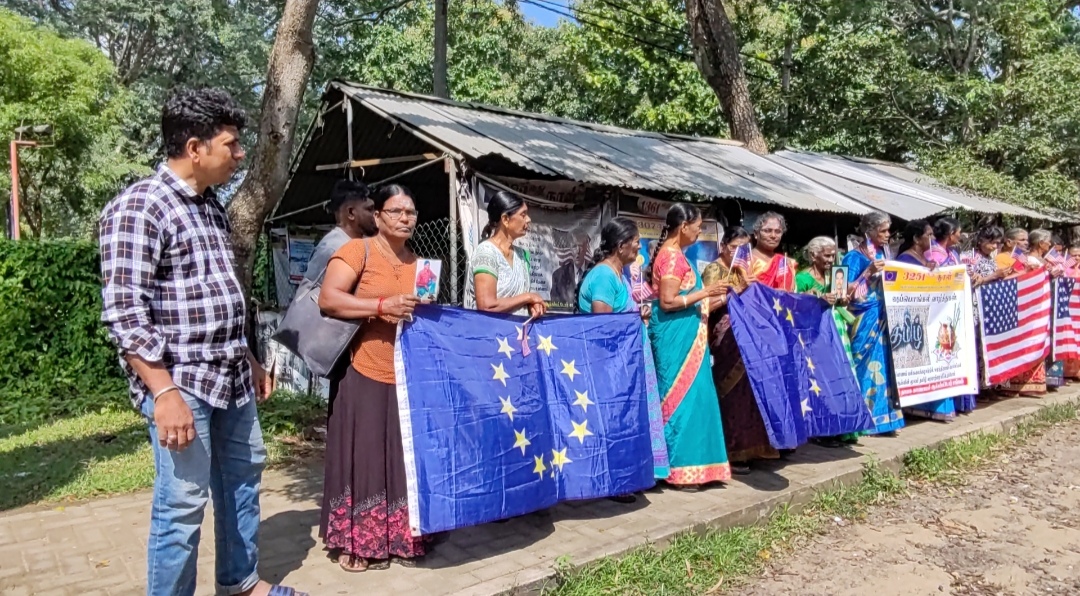
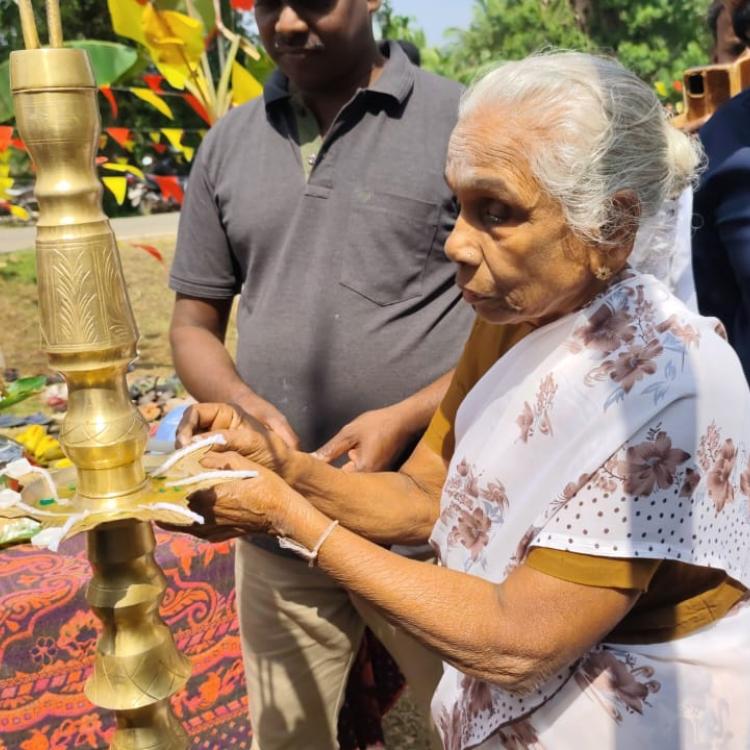
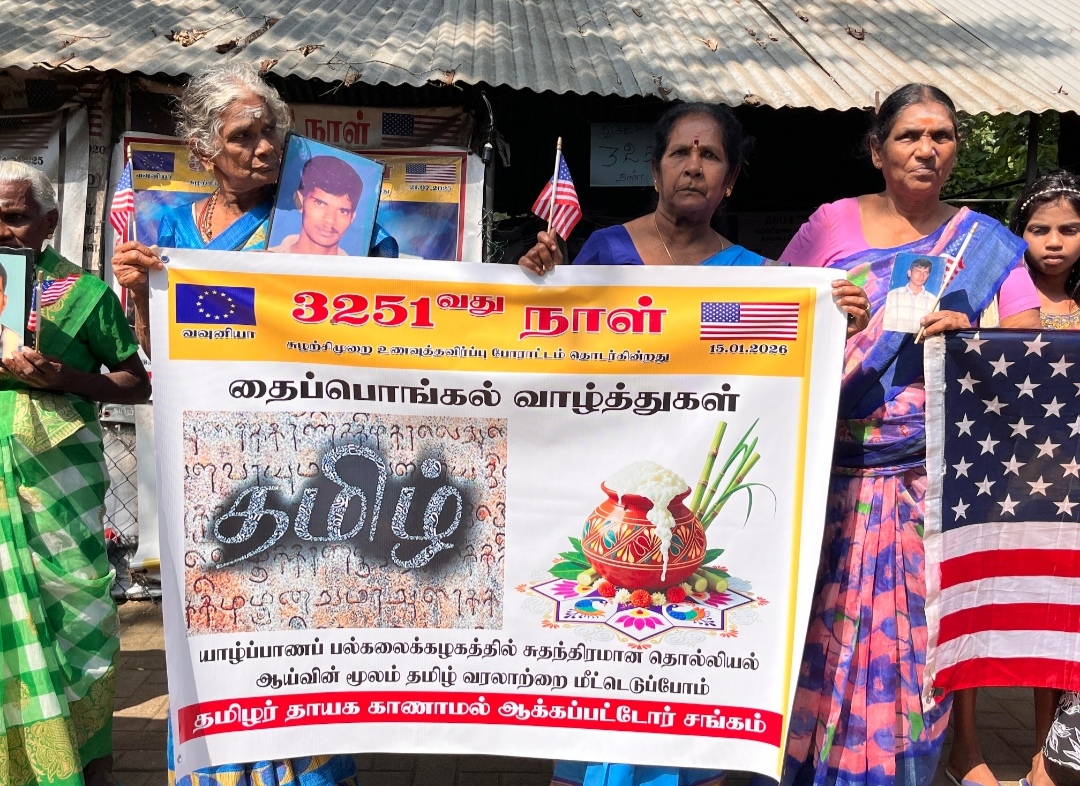
The association made the appeal while addressing the media following a protest organised by its members in Vavuniya to mark the festival of Thai Pongal.
In their statement, the association said that the harvest festival should bring strength, unity, dignity, and hope to the Tamil people, while renewing their collective commitment to truth, justice, and the protection of Tamil history and civilisation.
They noted that on the day of Thai Pongal, the mothers of disappeared Tamil children continued their rotating hunger strike protest along the A-9 road in Vavuniya, a struggle that has persisted for more than 3,251 days.
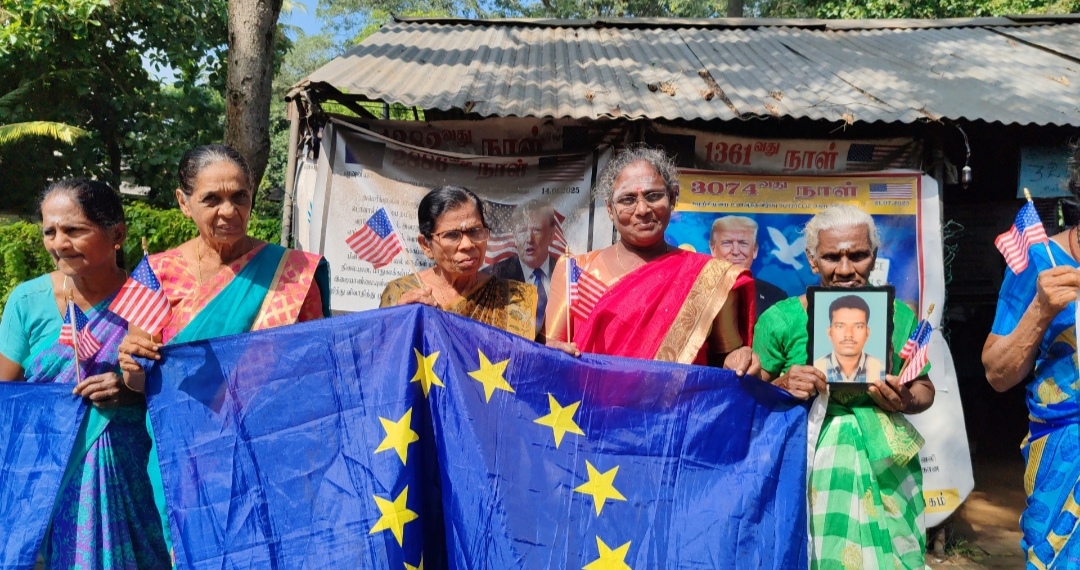
From a site marked by sacrifice, pain, and unwavering determination, they said, they were raising not only their demand for truth regarding their disappeared children, but also a broader call to reclaim Tamil history, dignity, and sovereignty.
The association demanded the establishment of an independent Department of Archaeology at the University of Jaffna under the leadership of Tamil scholars.
They said such a department must work to uncover and bring to light the historical truths of Tamil Hinduism and Tamil Buddhism, and to document the ancient Tamil civilisation that flourished across Tamil Nadu, South India, and the island historically known as Ceylon.
Emphasising the deep roots of the Tamil nation, the association declared that Tamil civilisation is not a recent phenomenon, nor did it emerge by chance or through migration. They asserted that it did not arise after the Sinhala language, Sinhala identity, or the later, human-constructed Mahavamsa narrative, stressing that Tamils had lived on the island long before these developments.
According to the association, Sinhala supremacist narratives over several decades have falsely portrayed Tamils as settlers, illegal entrants, or outsiders in their own ancestral land.
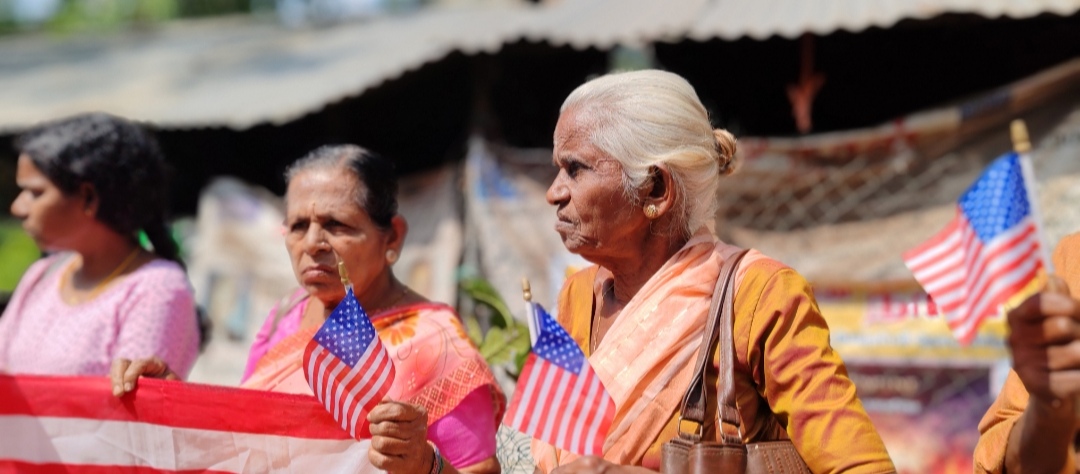
They stated that the repeated circulation of such falsehoods had created the illusion of truth, an injustice they firmly rejected.
The association further declared that the land belonged to Tamils even before the emergence of the Sinhala race, the Sinhala language, and the writing of the Mahavamsa.
They insisted that this historical truth must be taught to Tamil children, Tamil political leaders, and the wider Tamil public, and must also be clearly communicated to the international community.
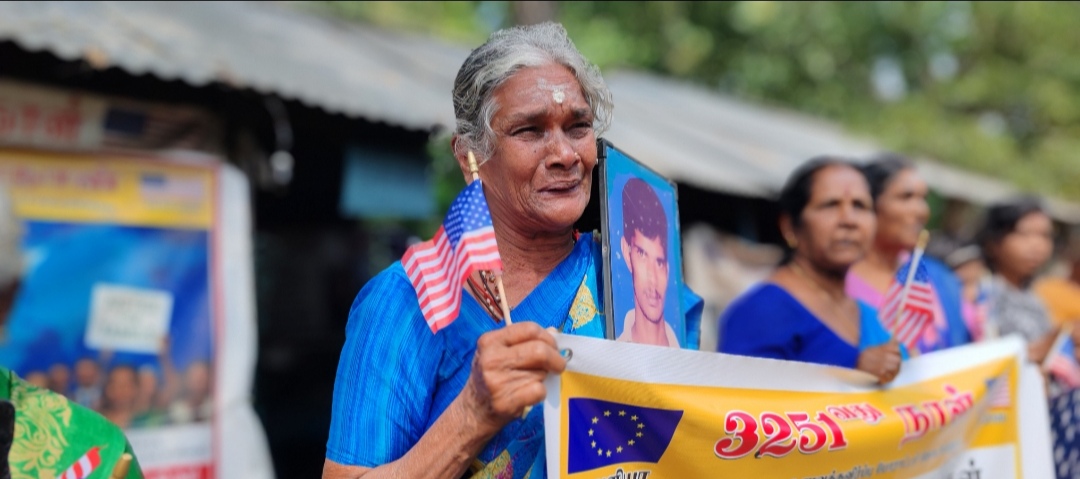
The association added that when Tamils articulate their history clearly, loudly, and repeatedly, just as Sinhala leaders have done, the diplomatic communities of the European Union and the United States would also take notice.
Concluding their statement, the association appealed once again to the United States and the European Union to support efforts to uncover the truth about the disappeared Tamil children, to halt the continuing destruction faced by the Tamil people, and to assist in restoring Tamil sovereignty in their ancestral homeland.
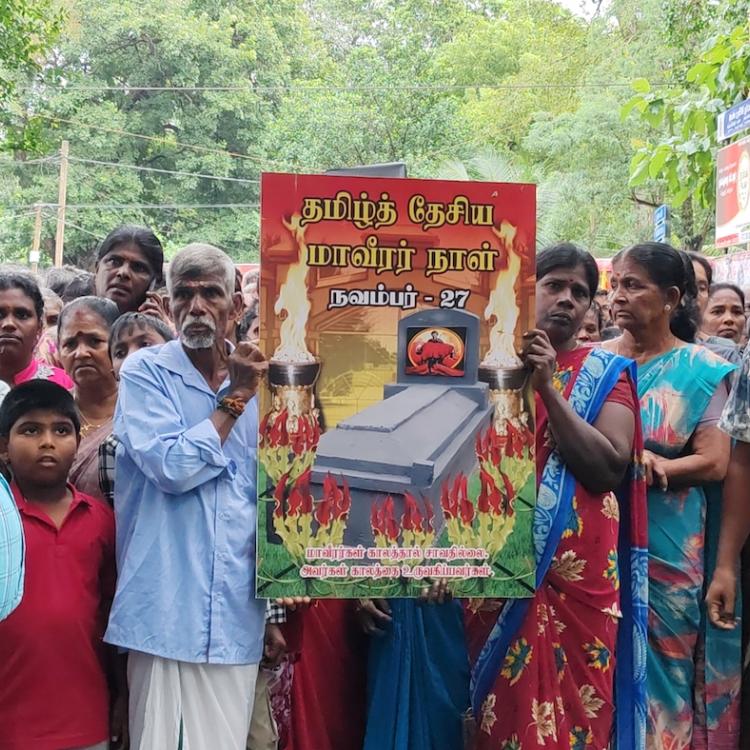
Their call comes as Tamil families across the North-East continue to demand answers regarding tens of thousands of enforced disappearances and to resist ongoing efforts to erase Tamil history and identity from the island.