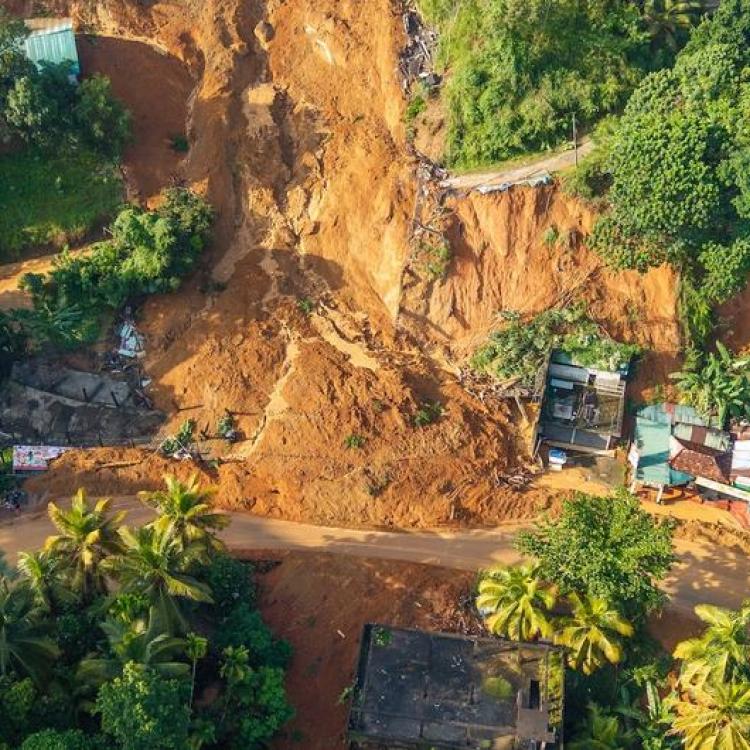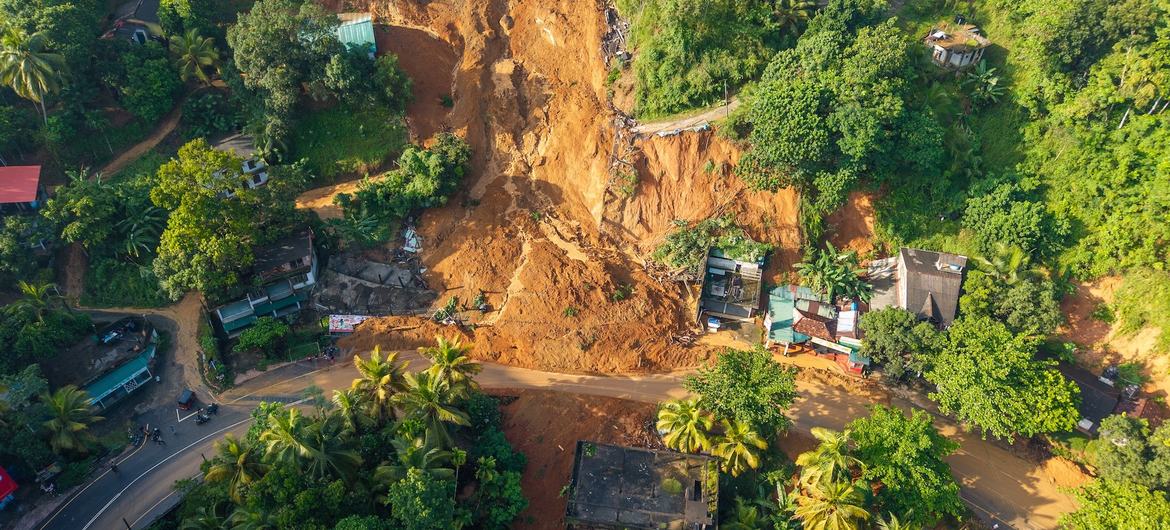
Human Rights Watch (HRW) have highlighted how systemic discrimination compounded the impact of Cyclone Ditwah on communities already facing "multiple vulnerabilities".
In a piece published on December 11, Meenakshi Ganguly, Deputy Asia Director of HRW, condemned the government's lack of official warnings issued in Tamil. The districts of Puttalam, Mullaitivu, Batticaloa, Kilinochchi, and Ampara where Tamil is widely spoken, were all severely affected, with marginalised populations particularly hard hit. No official warnings were issued as the storm approached.
She also highlighted how the Malaiyaha Tamil community, which is located in the central highlands, were particularly hard hit.
"The UN Development Programme found that the majority of those affected belong to communities already “facing multiple vulnerabilities … including unstable income, high debt, and a limited capacity to cope with disasters.” For instance, the Malaiyaha Tamil community concentrated in Sri Lanka’s central highlands have long been victims of discrimination and neglect that has left them without adequate access to basic services and infrastructure even in normal times."
Ganguly, noted the importance of civil society organisations in the relief efforts but noted how their work is limited by repressive government regulations.
"As in previous environmental disasters, Sri Lankan civil society organizations have played a vital role in the response. But instead of facilitating these groups’ valuable work, successive governments have treated them as a threat, subjecting them to repressive regulations under the Ministry of Public Security that include invasive and onerous reporting requirements, strong penalties for small lapses in paperwork, and obstacles to receiving funds."
The government's declaration of a state of emergency was also a point of concern. Ganguly noted how the Human Rights Commission of Sri Lanka had expressed concern that emergency regulations modelled on those used by the previous governments contain draconian provisions incompatible with rights.
Read more at Human Rights Watch