
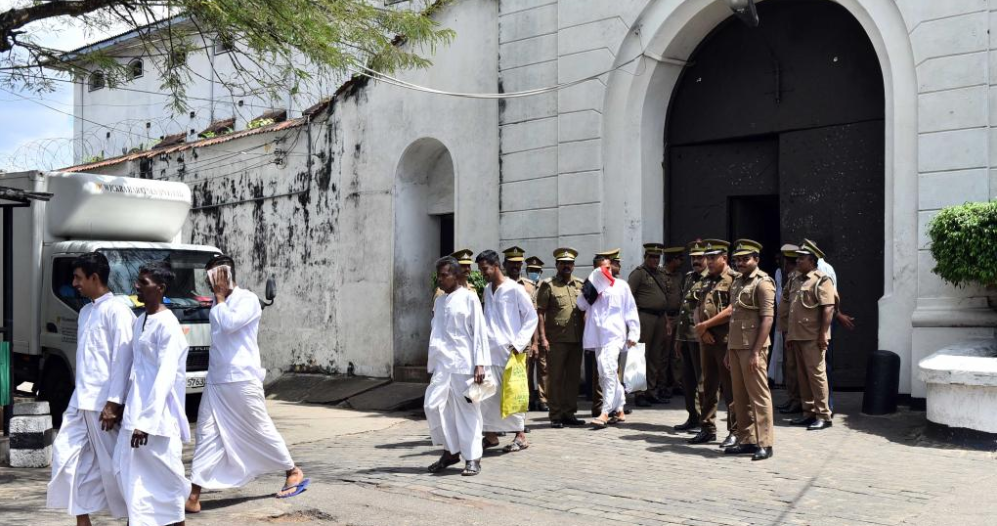
Sri Lanka’s presidential powers to pardon convicted prisoners are facing renewed scrutiny after a convicted financial fraudster was released from prison, reportedly without presidential approval, triggering a criminal investigation and raised fresh concerns over impunity and corruption within the island’s justice system.
W.H. Athula Tilakaratne, a former finance company manager convicted of misappropriating Rs. 4 million, was freed from Anuradhapura Prison just ten days after his sentencing, despite reports that he is not on the official list of 388 inmates approved for clemency during last month’s Vesak festival.
The President’s Media Division (PMD) admitted that Tilakaratne’s release was unauthorised and claimed it had no legal sanction from Anura Kumara Dissanayake.
The Criminal Investigation Department (CID) has now launched a probe into how Tilakaratne was released, with statements already recorded from senior prison officials. The Commissioner General of Prisons, Thushara Upuldeniya, was questioned for more than ten hours on Saturday. It was his second round of questioning following a five-hour session the previous night.
On Monday, Sri Lanka’s cabinet suspended Upuldeniya pending the outcome of the investigation. "It was decided to suspend the Commissioner-General until the investigations are concluded," the justice ministry said in a statement.
Dissanayake ordered the police investigation last week after details of Tilakaratne’s unauthorised release emerged. He later told a public rally that corruption was "rife" within the prisons system and warned officials to reform or face dismissal.
Adding to the controversy, Tilakaratne has a prior conviction and more than 30 other pending fraud cases. These factors which should have rendered him ineligible for any form of clemency under existing guidelines.
Under Article 34(1) of the Sri Lankan Constitution, the President holds sweeping powers to pardon convicted criminals. In practice, these powers have long been misused, shielding political allies, enabling impunity for serious crimes, and disproportionately favouring powerful or well-connected individuals, while marginalised communities remain trapped in cycles of prolonged incarceration.
“It is shocking to note that while the President signed the presidential pardons for Vesak, the blame is now being passed onto the Prisons Department and government officials, with both the President and the Justice Minister remaining silent,” tweeted SLPP MP Namal Rajapaksa.
“There is no excuse an Executive President can offer after signing an official document and then claiming that his signature was misused, especially when his own Justice Ministry was tasked with overseeing the list. If the President does not understand the weight of his own signature, then all future documents, whether bilateral, financial, or defense agreements, are at risk, as he appears unaware or naive about the details on which he has placed his signature. Such irresponsibility from the head of state is ultimately a threat to national security.”
For Tamil political prisoners and families of the disappeared, this latest scandal serves as yet another reminder that Sri Lanka’s justice system remains stacked against them. While presidential pardons are selectively deployed for convicts with political or personal connections, many Tamil detainees languish in prison without access to legal recourse or the prospect of clemency.