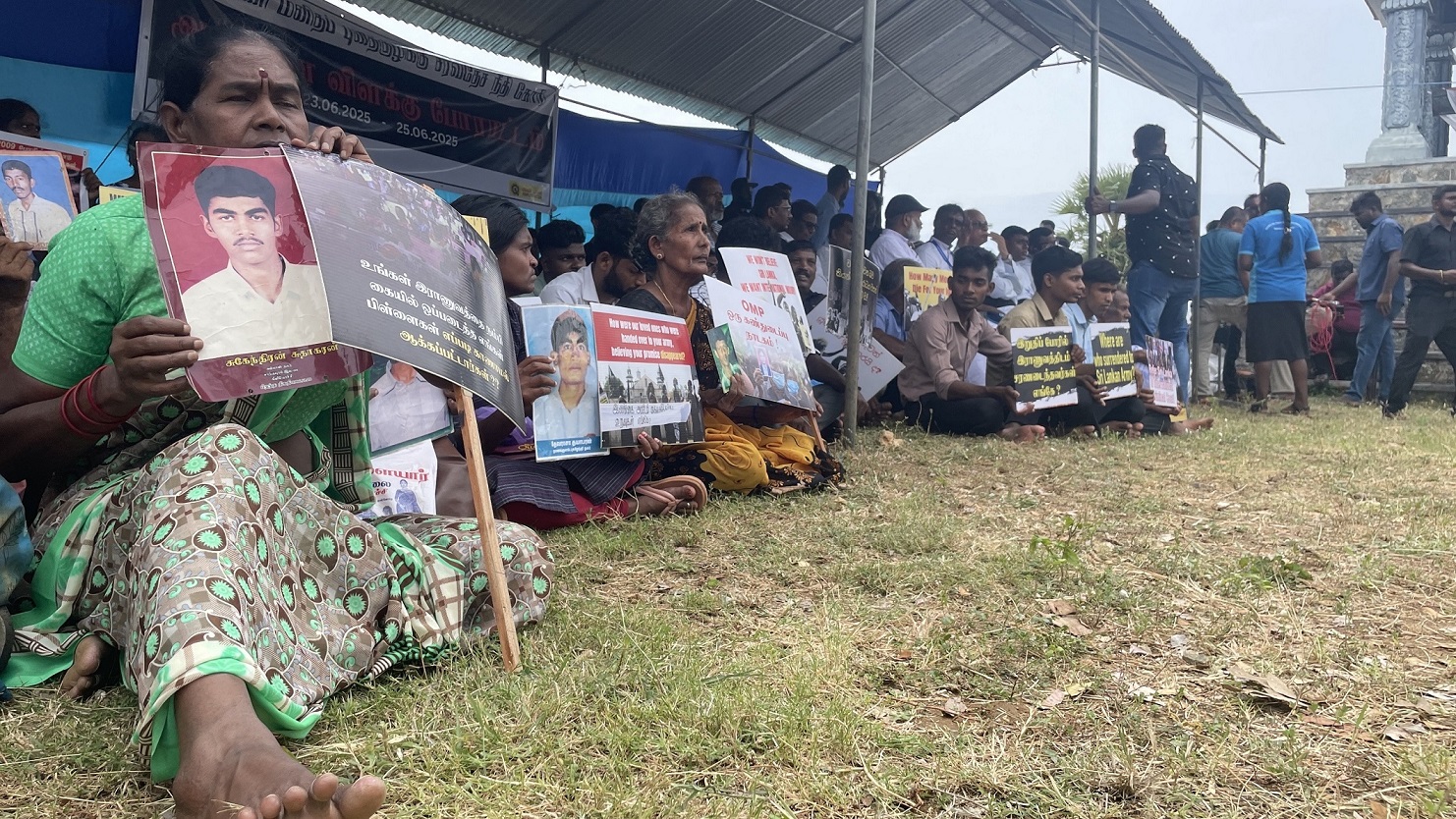
A sustained three-day vigil titled the “Unextinguished Flame” commenced this morning in Chemmani, Jaffna, as Tamil families and activists gathered to demand international justice for the victims buried in the Chemmani mass grave.
At 10:00 a.m., a symbolic flame was lit at Chemmani junction in the Jaffna peninsula, marking the beginning of the protest. The flame, which is set to burn continuously for the duration of the vigil, represents remembrance, resistance, and a call for justice.
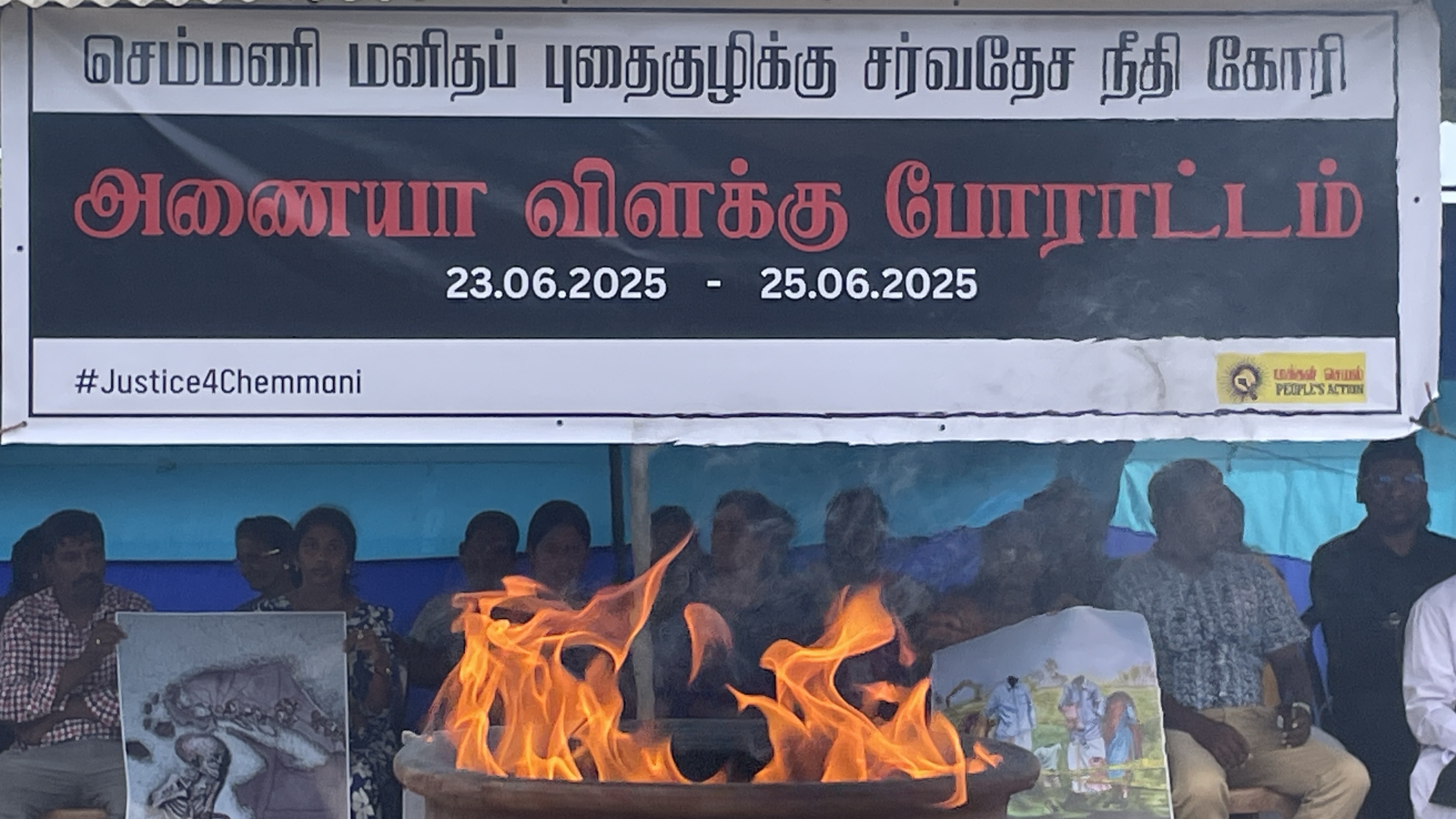
The opening day of the vigil included a floral tribute and reflections delivered by religious leaders, honouring those whose remains are believed to lie in the graves. Organisers also announced a series of cultural and educational events, including a story reading session on Chemmani scheduled for the evening, and a documentary screening later at night.
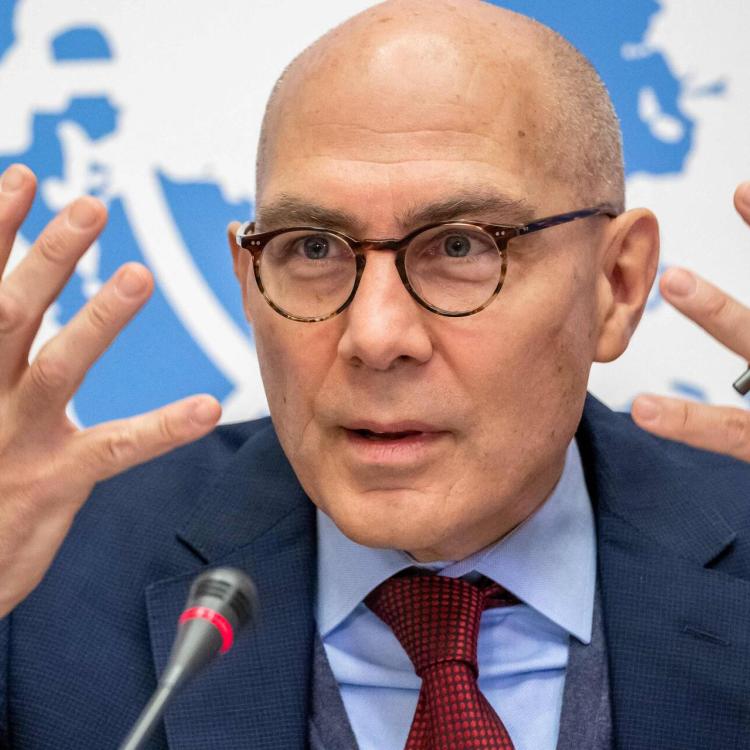
The vigil is part of a larger campaign led by Makkal Seyal, a volunteer-based youth movement, to draw international attention to the decades-old mass grave and to demand a UN-supervised investigation. The protest will continue until Wednesday 25 June and is timed to coincide with the visit of United Nations High Commissioner for Human Rights, Volker Türk, who is scheduled to tour Jaffna as part of his official visit to Sri Lanka.
.jpg)
.jpg)
Among those present was Surendran Parameswari, a resident of Iranamadu, Kilinochchi, whose son, Surendran Sudhakaran, was forcibly disappeared 16 years ago. Speaking to reporters at the vigil, she recounted how her son, injured during the final stages of the war at Mullivaikkal on 14 May 2009, was last seen receiving treatment at Padaviya Hospital.
“On May 14, 2009, during the final genocide of Mullivaikkal, my son, Surendran Sudhakaran, was injured in the leg during the war,” she said. “He was treated until the 16th, and then on the 16th, he was taken to the Padaviya Hospital by ship. We were taken to the [Manik Farm detention centre]. Although we were in the camp, we did not receive any information about our son.”
“Two people told us that my son was treated continuously for seven days at the Padaviya Hospital, and that they talked to him for seven days. Then, on the eighth morning, when they went to see him, he had disappeared.”
“There is eyewitness testimony that my son was treated in the hospital for seven days. We have been fighting for 16 years to reveal what happened to him. Since I learned that my son was treated alive in the hospital, I have been complaining and searching in many places, from the Human Rights Commission to the Vavuniya Joseph Army Camp. What happened to my son’s life?”
.jpg)
Her plea underscored the broader purpose of the vigil: to demand answers, accountability, and justice for the thousands of Tamils who were disappeared.
The Chemmani mass grave first came to light in the late 1990s, when a Sri Lankan soldier testified to the military’s role in abducting and killing Tamil civilians during the 1996 occupation of Jaffna. Despite repeated calls for investigations, little progress has been made and no one has been held accountable.
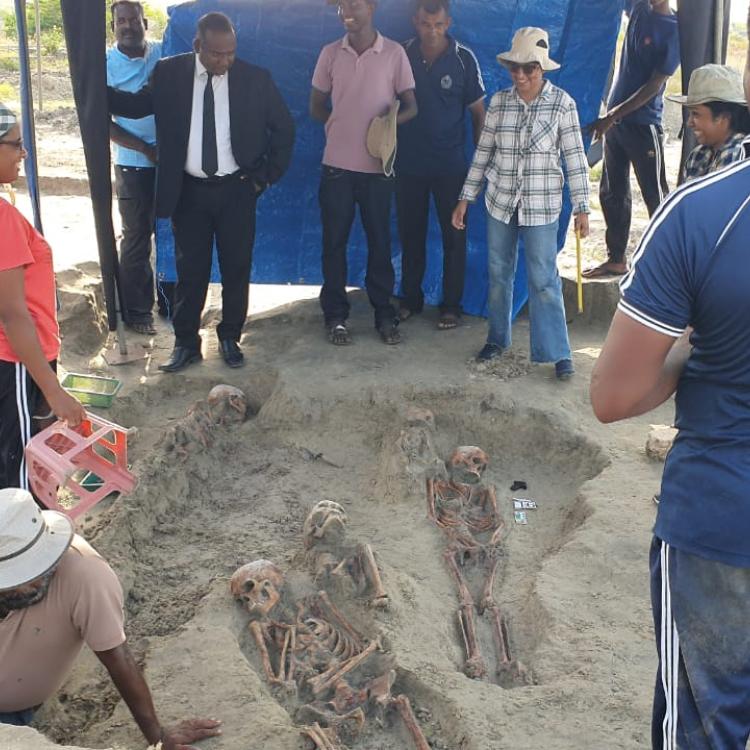
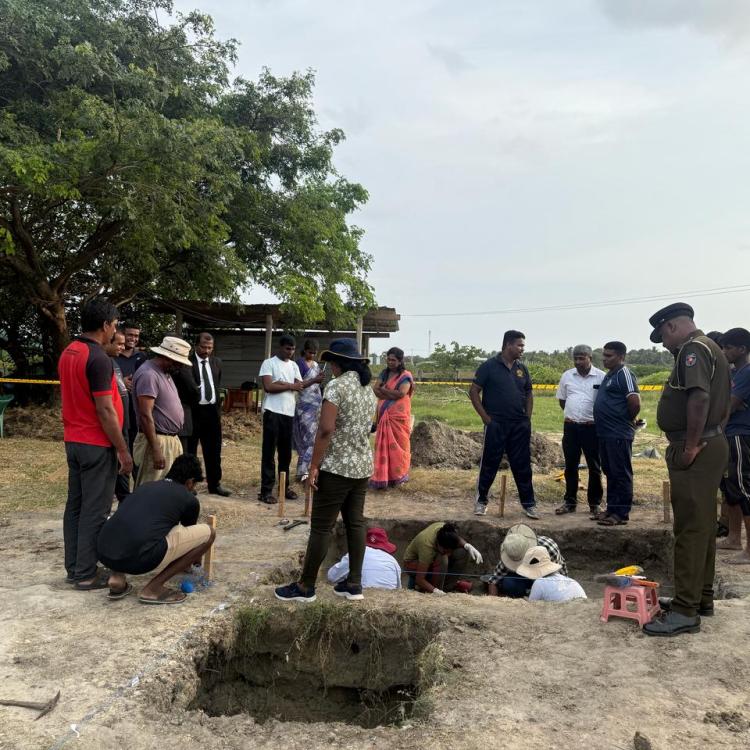
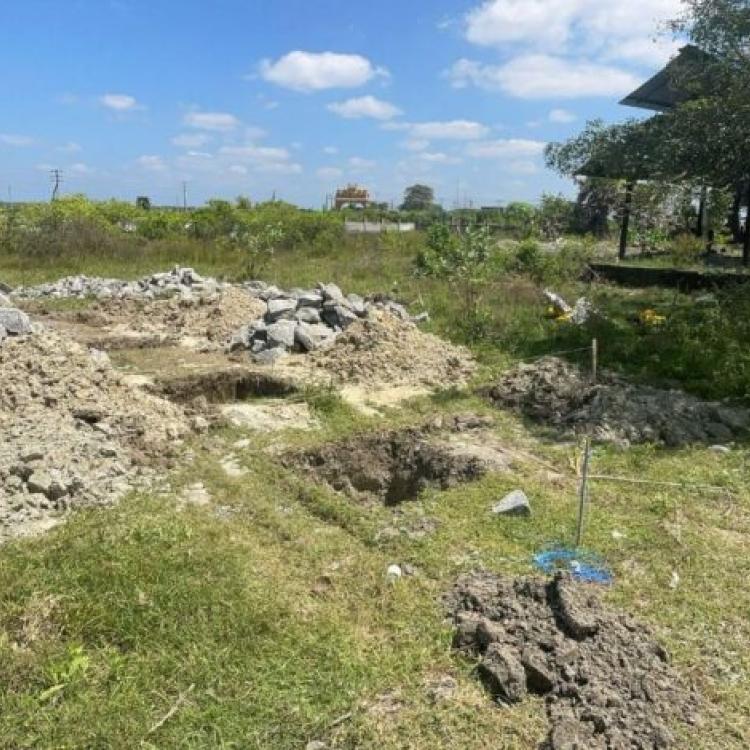
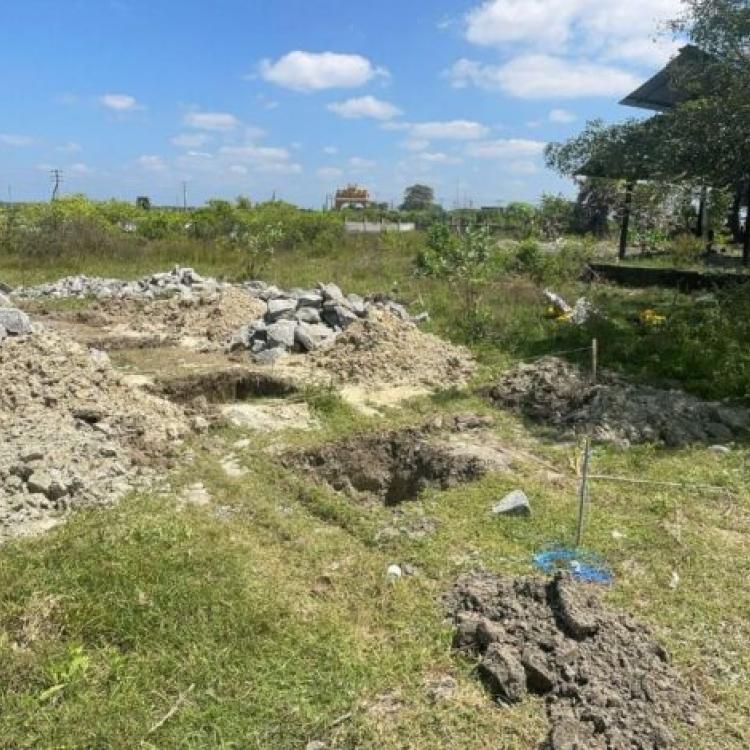
Earlier this month, 19 human skeletons, including those of three children, were unearthed during construction work near a cemetery in Chemmani, reviving global concern.
The vigil seeks to spotlight not only the Chemmani grave but also other mass grave sites across the Tamil homeland, and to urge international actors to take meaningful steps toward justice and accountability.
.jpg)