Sebastian Devi, Chairperson of the Trincomalee District Association of Families of the Forcibly Disappeared, was subjected to a three-hour interrogation by officers from Sri Lanka’s Terrorism Investigation Division (TID) at her home on 16 June.
According to Devi, the TID officers arrived at her residence at 10:00 a.m. and questioned her until 1:00 p.m., demanding detailed information about her affiliations with 21 organisations, both local and international. She stated that the officers pressed her to explain the nature of these relationships, and questioned why she maintained such connections.
Devi further revealed that the interrogators inquired about her previous visits to the UN Human Rights Council in Geneva and demanded to know who had financed her travel. She was accused of “acting against human rights” and was also subjected to personal questions concerning her family.
Later the same day, Sudhan from the Trincomalee Army CID contacted Lavan, a representative from the Asian Human Rights Commission (AHRC), and questioned whether a protest was being planned by Devi and Lavan during the upcoming visit of the UN High Commissioner for Human Rights to Sri Lanka.
Devi expressed concern over the psychological impact of these repeated interrogations by the TID and CID, stating that the continued surveillance and intimidation had taken a severe emotional toll.
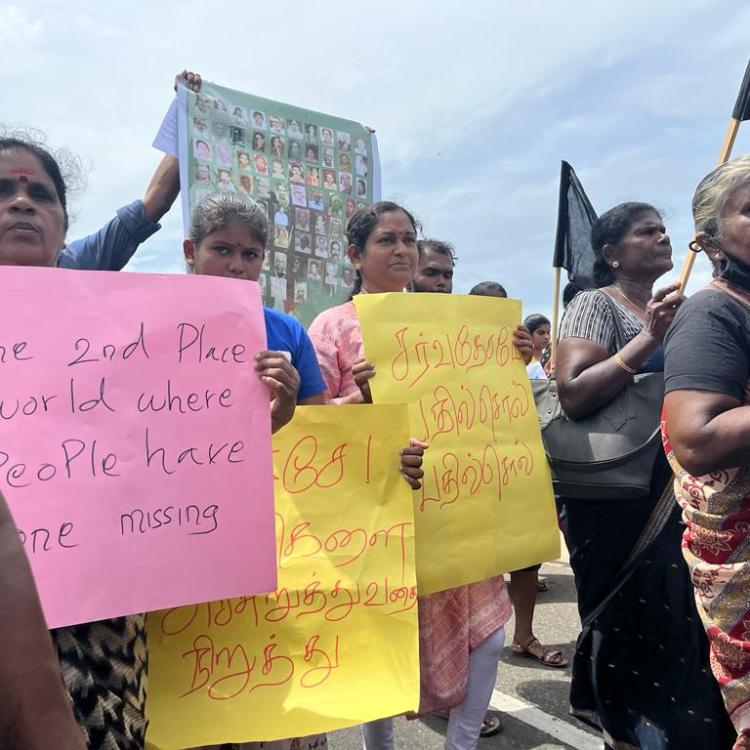
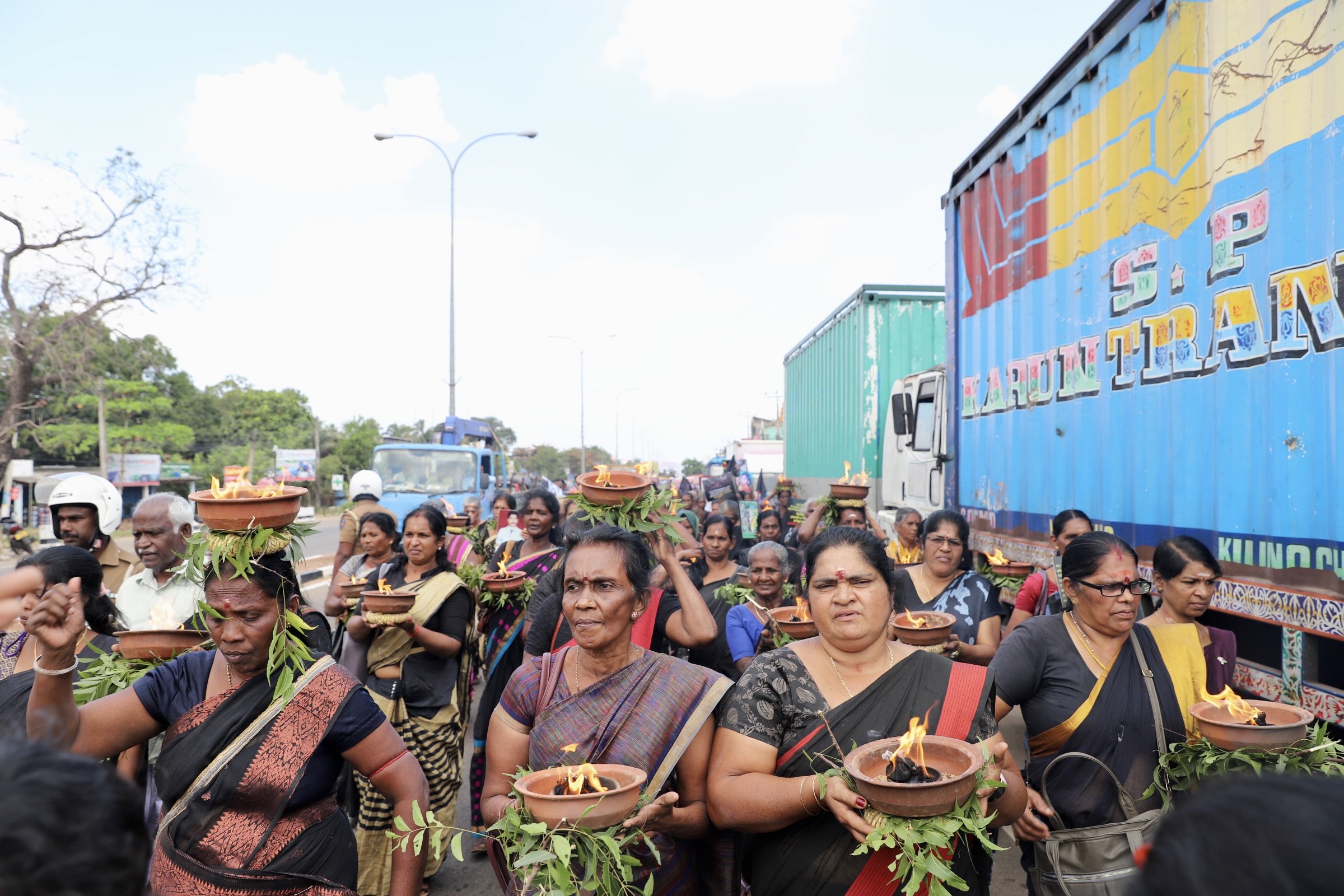
Families of the disappeared, particularly women-led associations such as the one chaired by Devi, have been at the forefront of the struggle for truth and accountability in the North-East. Despite facing state harassment, they continue to demand answers over the enforced disappearance of thousands of Tamils during and after the armed conflict.
Human rights groups have long raised concerns over the use of counterterrorism laws and security agencies to harass and silence victims’ families and civil society actors, particularly those engaging with international human rights mechanisms.