Sri Lanka is facing a critical shortage of essential medicines, with life-saving drugs for cancer, diabetes, epilepsy, psychiatric illnesses, and infectious diseases either unavailable or unaffordable in both state-run hospitals and private pharmacies.
This ongoing crisis is intensifying public concern even as government officials downplay the issue and deflect responsibility onto the political opposition.
A report by the Daily Mirror revealed widespread scarcity across the pharmaceutical supply chain, including a concerning lack of medications like insulin, cancer therapies (such as filgrastim and cisplatin injections), psychiatric medications like phenobarbitone and imipramine, and even basic oral rehydration solutions like Jeevani. These shortages extend beyond state hospitals and have reached private pharmacies in Colombo, where some drugs are missing entirely or priced beyond the reach of average citizens.
Despite growing evidence and mounting complaints from patients and health professionals alike, the government has taken a defensive stance. Health Minister Nalinda Jayatissa recently dismissed claims of a systemic shortage, instead accusing the opposition of exaggerating the situation to stir public unrest. He acknowledged supply chain delays but asserted that current stock levels are not as dire as described.
"The numbers quoted by the Opposition Leader in front of the media do not reflect the actual stock levels in hospitals,” Jayatissa said.
“Claiming there is a shortage without offering a solution only benefits companies aiming to hike medicine prices,” he added, attributing the blame to procurement delays under the previous administration.
Meanwhile, Deputy Health Minister Dr. Hansaka Wijemuni claimed there were persistent “supply chain issues” while still denying shortages of common medicines like those for diabetes and hypertension. He admitted that the disruptions are long-standing and complex, involving lengthy procurement cycles and a dependence on foreign manufacturers.
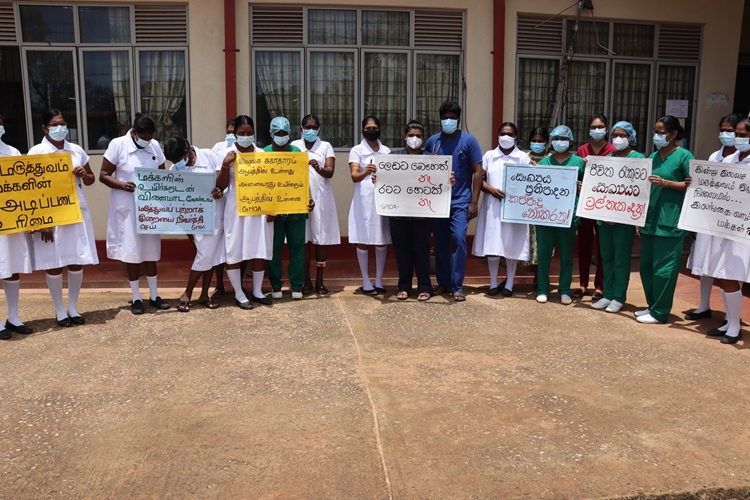
The Government Medical Officers’ Association (GMOA) and healthcare professionals report significant shortfalls of over 180 essential drugs, including painkillers, antibiotics, and medications for chronic diseases like hypertension and kidney disorders. Cancer patients, in particular, are bearing the brunt, with treatment regimens delayed due to the unavailability of key chemotherapy agents.
Dr. Chamil Wijesinghe, spokesperson for the GMOA, confirmed that the shortages extend beyond drugs to include critical medical and surgical equipment.