Lawyers representing the Tamil families of victims in the Chemmani mass grave case have urged United Nations High Commissioner for Human Rights Volker Türk to ensure that the ongoing exhumation process is carried out under international supervision, amid growing calls for justice and transparency.
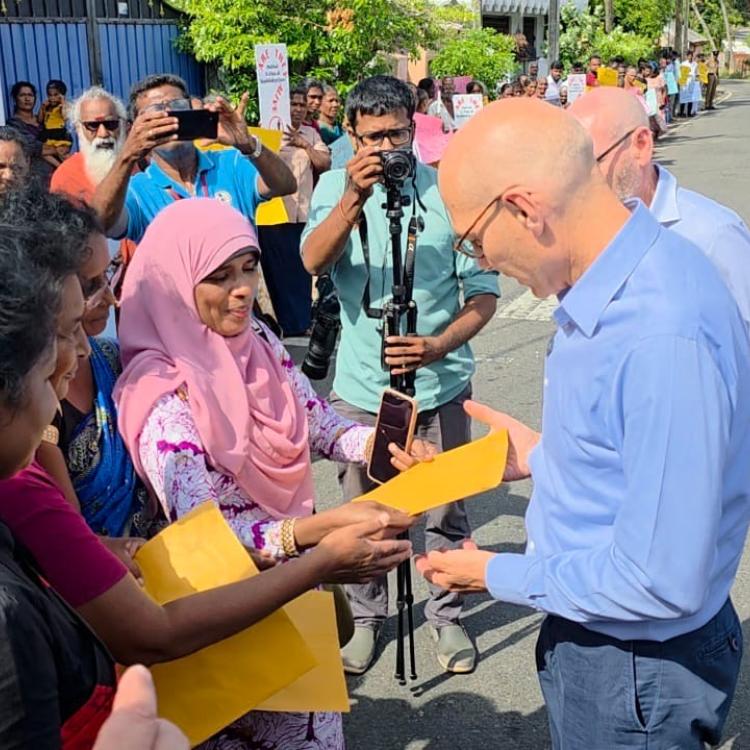
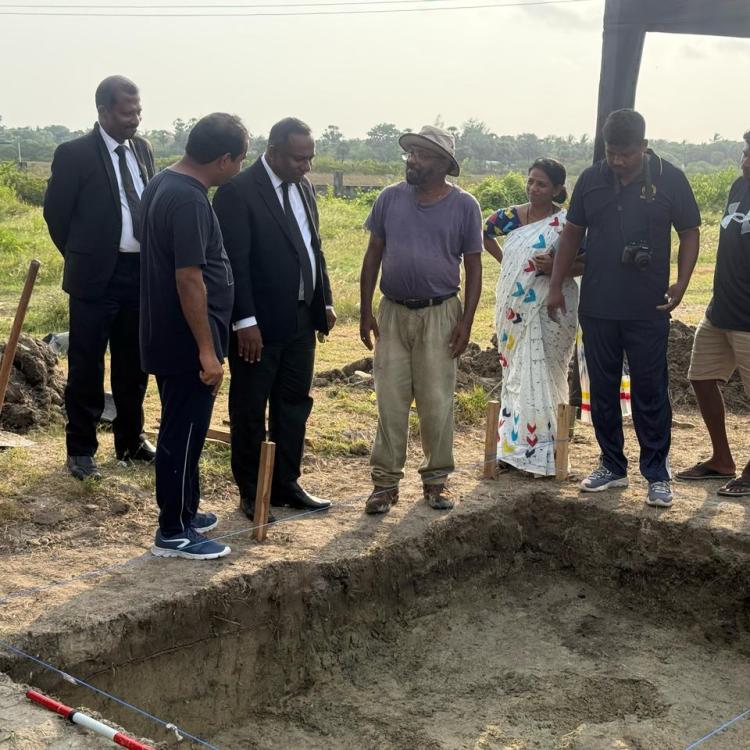
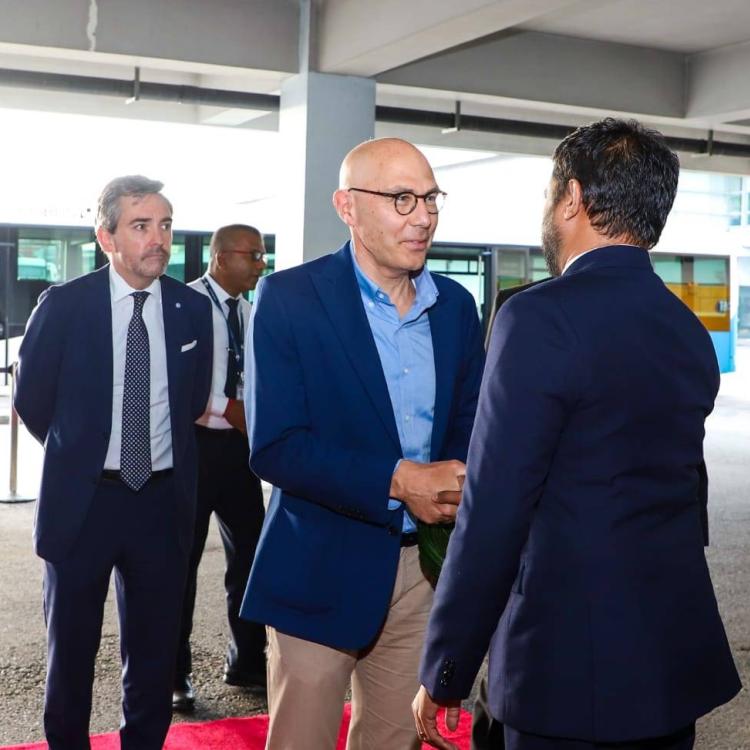
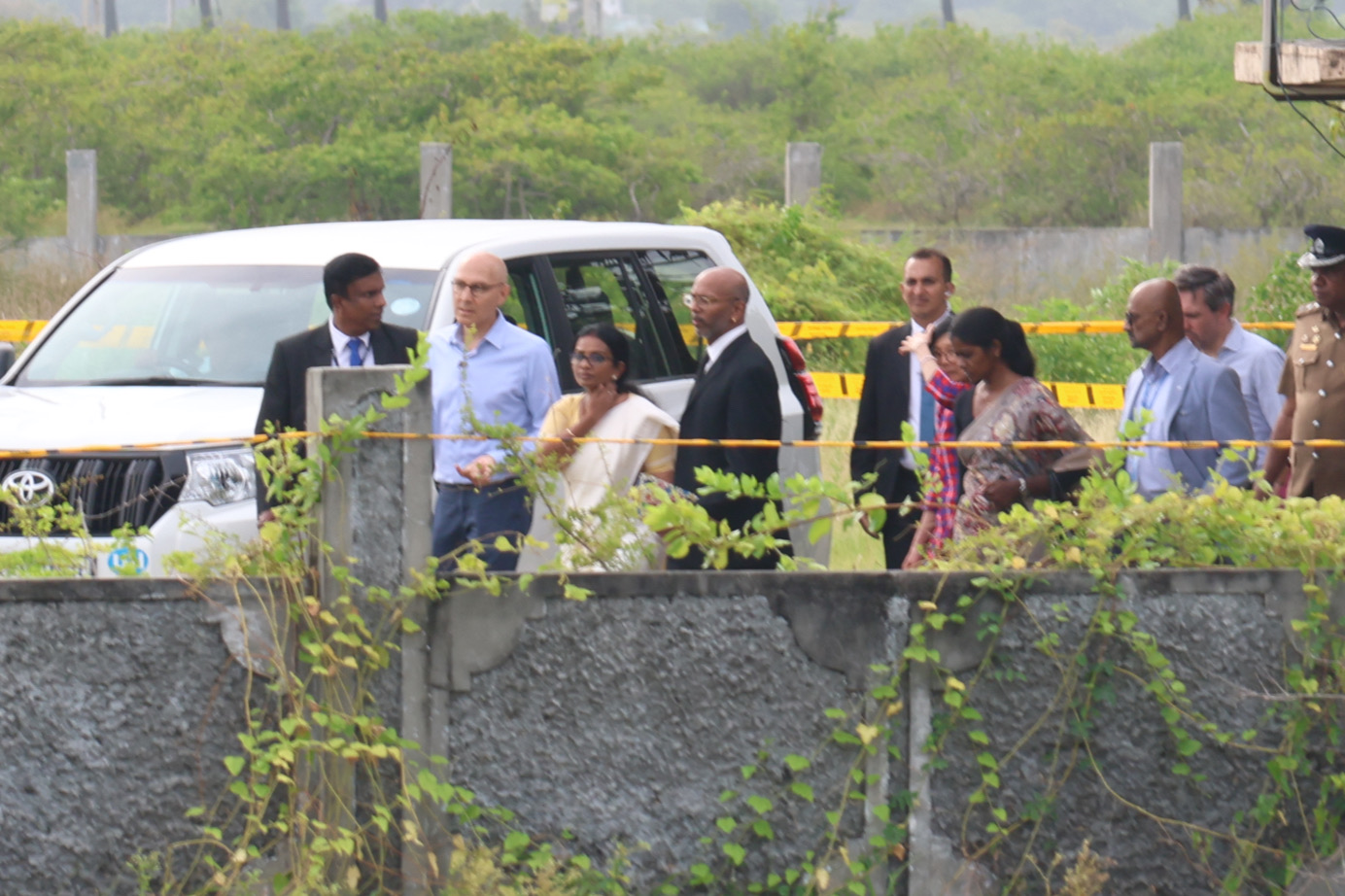
The appeal was made during Türk’s visit to Jaffna on Wednesday, where he personally inspected the site of the Chemmani mass graves - a location long associated with state-sanctioned atrocities committed against Tamils by the Sri Lankan state. Following the site visit, the High Commissioner met with legal representatives involved in the court proceedings related to the case and inquired into the current status of the investigation.
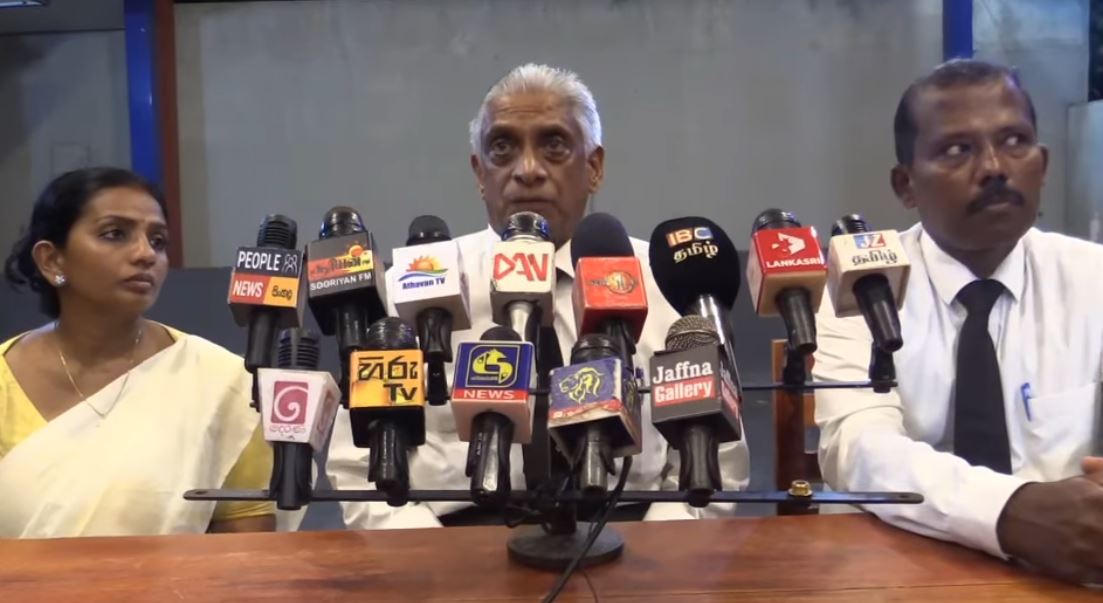
In a media briefing after their meeting, the lawyers outlined a series of urgent demands made to the UN official:
• Unobstructed funding: They insisted that the Sri Lankan government must immediately release the necessary funds for the exhumation without delay or interference, and that the international community must apply pressure to ensure compliance.
• Secure preservation of remains: Due to the lack of adequate storage and preservation facilities in Jaffna, the recovered skeletal remains should be transferred to Colombo until a long-term solution is established.
• Forensic infrastructure in the North-East: The lawyers called for a forensic laboratory to be established in Jaffna to safely store the remains and facilitate transparent, scientific investigations — a step they described as critical for future accountability efforts.
• Deployment of forensic experts and technology: They stressed the need for sophisticated forensic tools and qualified personnel to conduct proper excavation and identification of remains.
• International oversight: Above all, the lawyers emphasised that the exhumation must be conducted with the participation of independent international experts to ensure impartiality and prevent interference.
These demands are essential to ensuring transparency, justice, and accountability in the long-delayed Chemmani mass grave investigation, the legal team said.
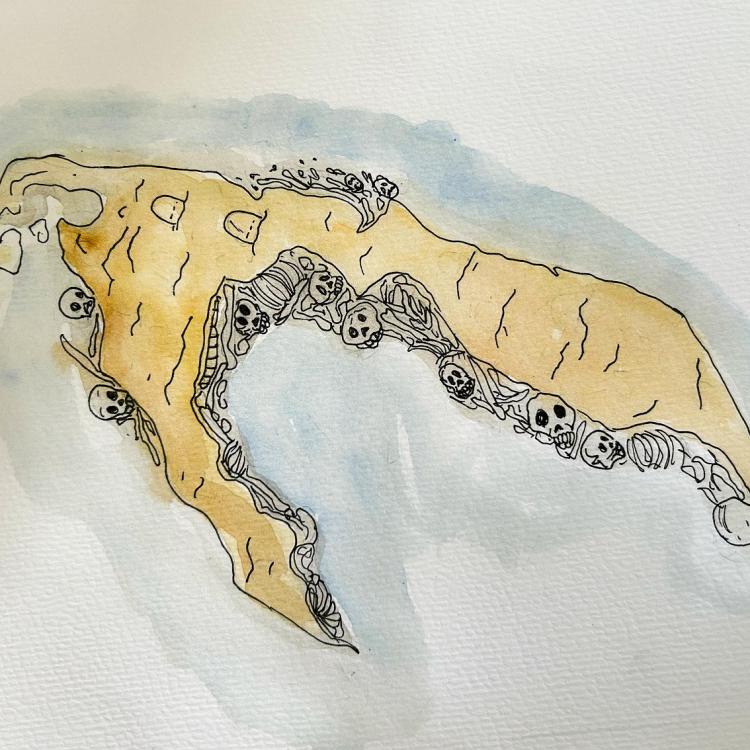
The Chemmani mass grave site was first brought to public attention in 1998 following the testimony of Sri Lankan soldier Somaratne Rajapakse, who stated under oath that hundreds of Tamils killed by the military had been buried in the area. Initial excavations in 1999 uncovered 15 bodies, but the investigation stalled in subsequent years.
The recent discovery of 19 more skeletal remains at the site, including those of infants, has once again sparked outrage and calls for international action. Tamil families and civil society groups have rejected domestic mechanisms as ineffective and compromised, pointing to a legacy of obstructed investigations and political interference.
Türk’s visit to Chemmani comes during a broader trip to Sri Lanka, where he has consistently stressed the need for justice, accountability, and independent investigations into past atrocities. During his visit to the site, he described the experience as emotionally powerful, stating, “It is always very emotional to visit places where the past, the haunting past, becomes so visible.”
He reiterated that “thorough investigations, robust investigations, by independent experts with forensic expertise” were essential to uncovering the truth and bringing closure to the families of the disappeared.