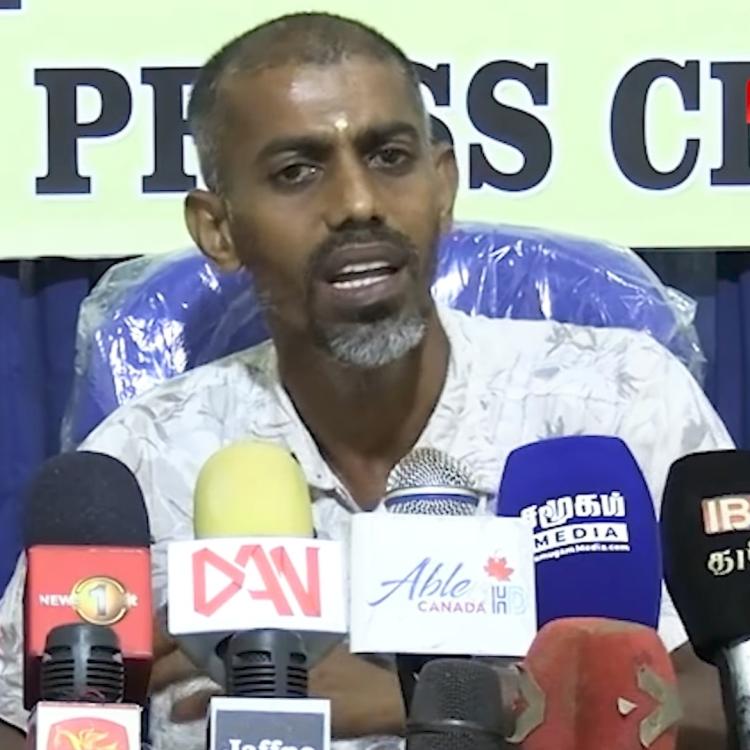
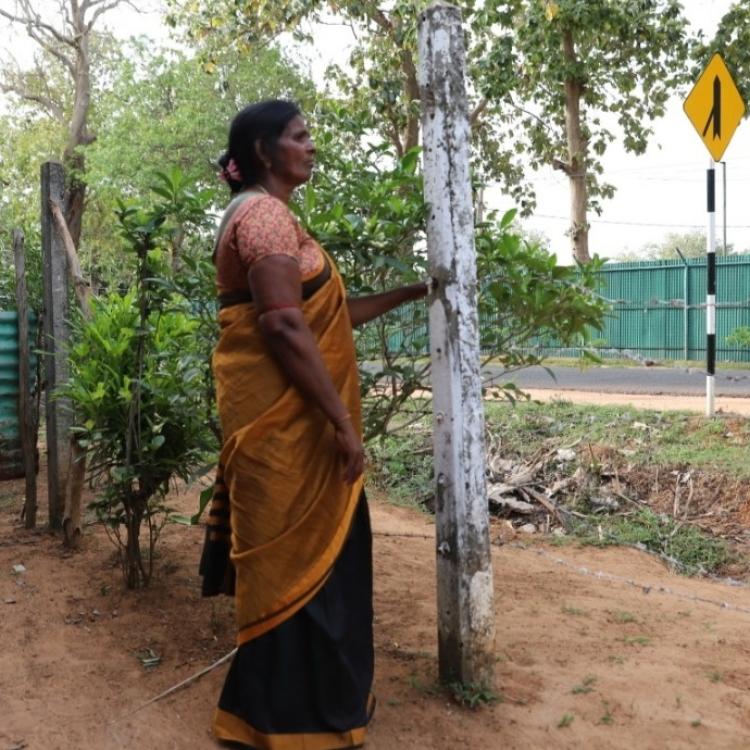
The Kopay Divisional Secretary has confirmed that the Sri Lankan police are illegally occupying private Tamil-owned lands in Jaffna district, refusing to vacate the area despite longstanding demands from landowners.
According to the Divisional Secretary, since 1995, when Jaffna came under full military control, the police have unlawfully occupied approximately 2.77 acres of land in the Kalviyangattu area and its surroundings. This includes nine privately owned houses and their adjoining lands. The illegal occupation has persisted for more than 30 years, despite repeated appeals from landowners for the return of their property.
The Divisional Secretary stated that although 1.25 acres of state-owned land has been officially allocated for use by the police station, the occupying Sri Lankan police in Kopay continue to operate from, and reside on, private lands without authorisation. The matter remains unresolved and is now being pursued through legal channels.
The land should be returned to the rightful owners, the Divisional Secretary affirmed, adding that the police have no legal right to continue occupying the seized land.
The police station and associated quarters have been established on the nine private plots, despite the existence of an allocated government site for their operations.
This case forms part of a broader pattern of land grabs across the Tamil North-East, where both the Sri Lankan military and police have occupied civilian land. Many of these occupations trace back to the height of the armed conflict and its aftermath, when large areas were seized under the pretext of national security.
Yet years after the armed conflict’s end, despite repeated government pledges to return land, thousands of Tamil families remain displaced or denied access to their rightful property.