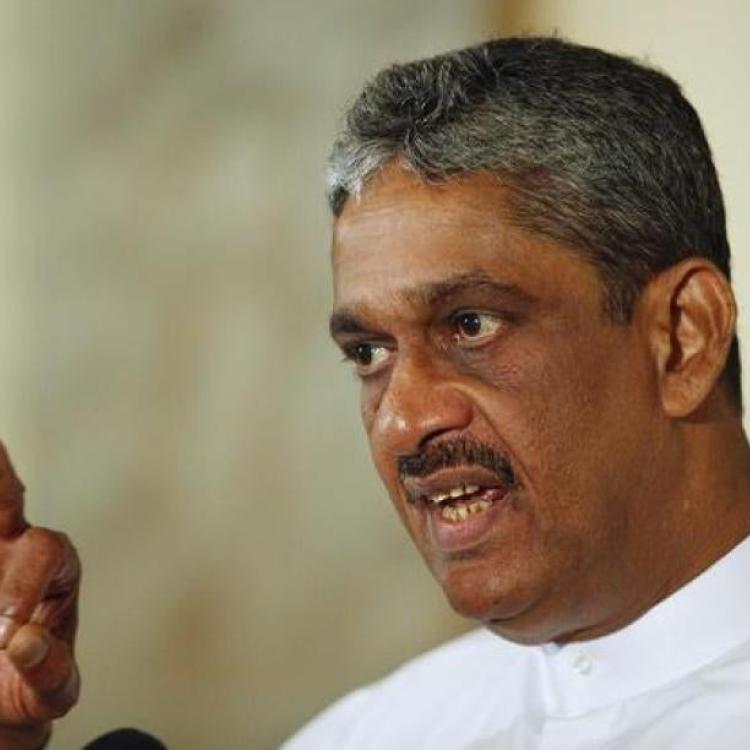
Former Sri Lankan army commander Field Marshal Sarath Fonseka launched an explosive tirade against former president Mahinda Rajapaksa, accusing him of large-scale corruption, abuse of state property and betrayal of the country, declaring Rajapaksa “deserves death by hanging.”
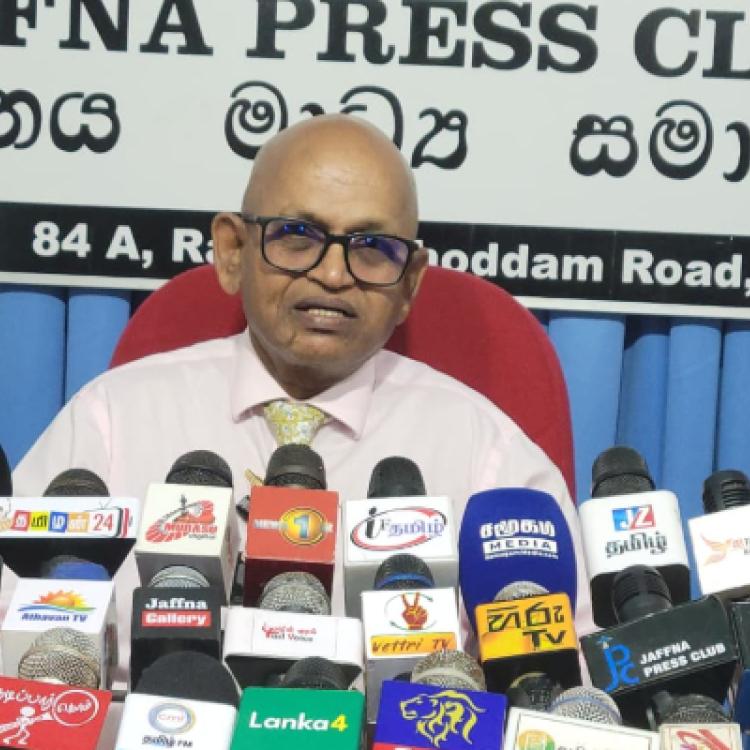
Addressing the media this week, Fonseka was responding to a statement from Rajapaksa’s spokesperson over delays in handing back the former president’s official residence at Wijerama. The former army commander alleged that valuable state property had been unlawfully transferred from the President’s House and Temple Trees to Rajapaksa’s private residence.
Quoting the spokesperson’s claim that Rajapaksa’s team was waiting for state departments to finalise an inventory of assets before removing personal items, Fonseka ridiculed the explanation.
“Do you believe that Mahinda Rajapaksa, who spent Rs. 500 million to repair the house, will at least bring a coconut scraper purchased out of his own money?” he asked.
Fonseka alleged that the residence contained numerous luxury goods, including imported furniture and expensive gifts that had been moved from official state properties. “If I was the Justice Minister, I would have filed the first case against Rajapaksa for moving the precious items from the President’s House and Temple Trees to the Wijerama residence. He can be arrested within 24 hours,” he said.
He went on to accuse the Rajapaksas of using the absence of an inventory as an excuse to delay vacating the residence.
“If there is no inventory for these items, who was there at these houses? In one there was Gotabaya and in the other Mahinda. Then the occupants should be responsible for this. Because there is no inventory, they say the goods cannot be moved. And because they cannot be removed, they say their personal items can’t be removed. Look at this statement. This is how the Rajapaksas are,” Fonseka said, describing the former president as a “blood-sucking snake.”
The outburst comes as the Rajapaksa family faces multiple corruption probes and as the Sri Lankan government has begun slashing privileges and security benefits for former presidents. Earlier this month, Mahinda Rajapaksa returned a state-provided bulletproof vehicle following the government’s decision to withdraw several perks — a move he decried as “political terrorism.”
Despite these measures, Fonseka accused the government of failing to take meaningful action against the former president.
“No matter how much this government boasts of their anti-corruption drive, if they cannot properly act against Mahinda Rajapaksa, we cannot accept that they fixed this country,” he said.
Turning to his wartime record, Fonseka also accused Rajapaksa of betraying the country during the final days of the armed conflict in 2009, alleging that a last-minute ceasefire was ordered to help Liberation Tigers of Tamil Eelam (LTTE) leader Velupillai Prabhakaran escape. The final months saw tens of thousands of Tamils massacred by the Sri Lankan state, with both Rajapaksa and Fonseka accused of genocide.
“Mahinda Rajapaksa must explain why he ordered a ceasefire during the final days of the war,” Fonseka said. “If this was some other country, Mahinda Rajapaksa would have been killed by hanging him from the feet for this act of treachery. According to our Constitution as well, the punishment he deserves is death by hanging.”
Fonseka — who served as army commander during that phase and later fell out with Rajapaksa — insisted that his criticism was not personal.
He accused Rajapaksa of enabling a vast network of corruption spanning the Ports Authority, Petroleum Corporation, drug and weapons trades, Customs, Inland Revenue and the Department of Motor Traffic, claiming that his presidency entrenched a culture of impunity.
Speaking on the treatment of Sri Lankan soldiers, Fonseka even had some praise for LTTE leader Prabhakaran, stating “Prabhakaran never tried to attack our families despite us waging war”.
“But Rajapaksas are not like that,” he continued.
Fonseka called for a high-level investigation into his allegations, saying the government had a duty to “launch even a presidential commission” to determine why Mahinda Rajapaksa had “betrayed the country.”
While acknowledging the government’s stated anti-corruption drive, Fonseka concluded “I appreciate the government’s resolve to combat corruption and its stance against protecting criminals, but there remains much more to be done.”
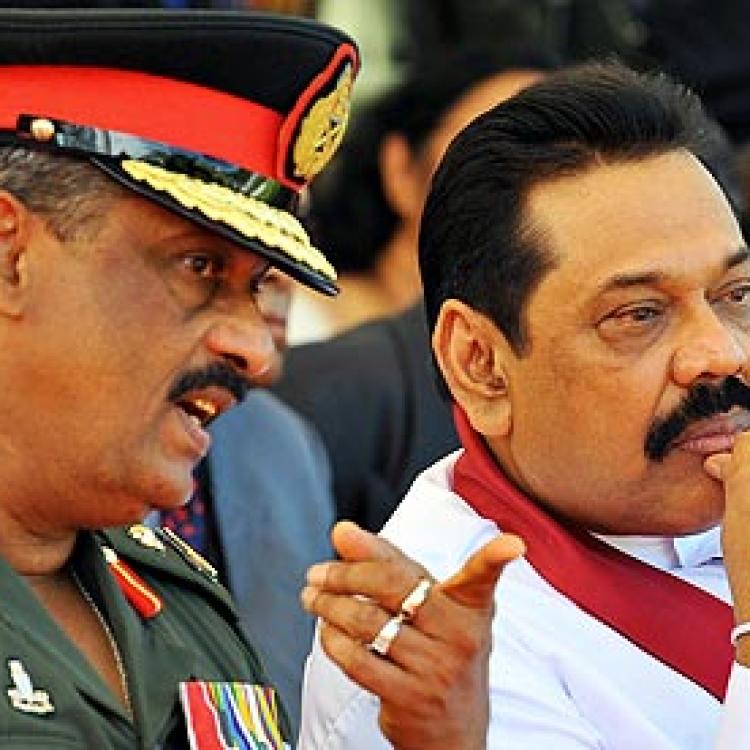
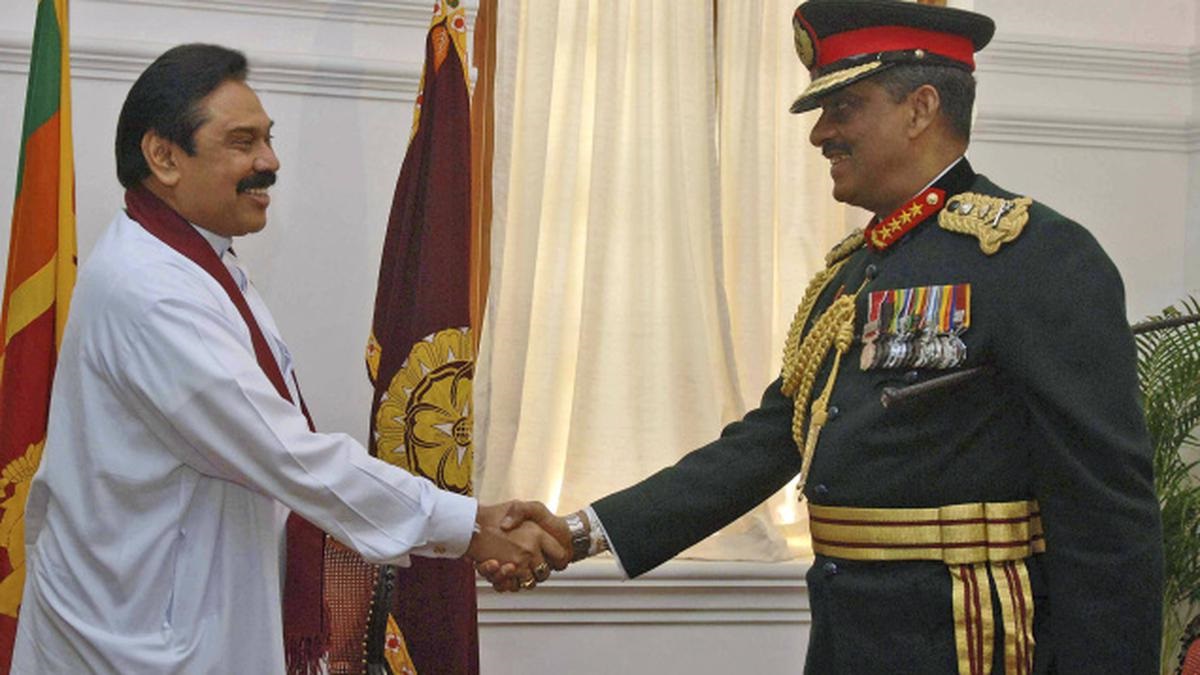
The two men, once allies during the Mullivakkal genocide of 2009, have since become fierce political rivals, each accusing the other of betrayal and corruption in the years following the armed conflict’s end.