
Thirteen more skeletal remains were exhumed from the Chemmani mass grave on Monday and a further seven newly identified, bringing the total identified at the site to 412, of which 390 have now been exhumed, as the excavation, the largest at any mass grave on the island, entered its 31st day.
Monday, the 31st day of the third phase of the court-supervised process, saw three sets of remains identified in a single straight line and a further nine in an irregular arrangement, with staff currently working to clean and document the newly identified remains.
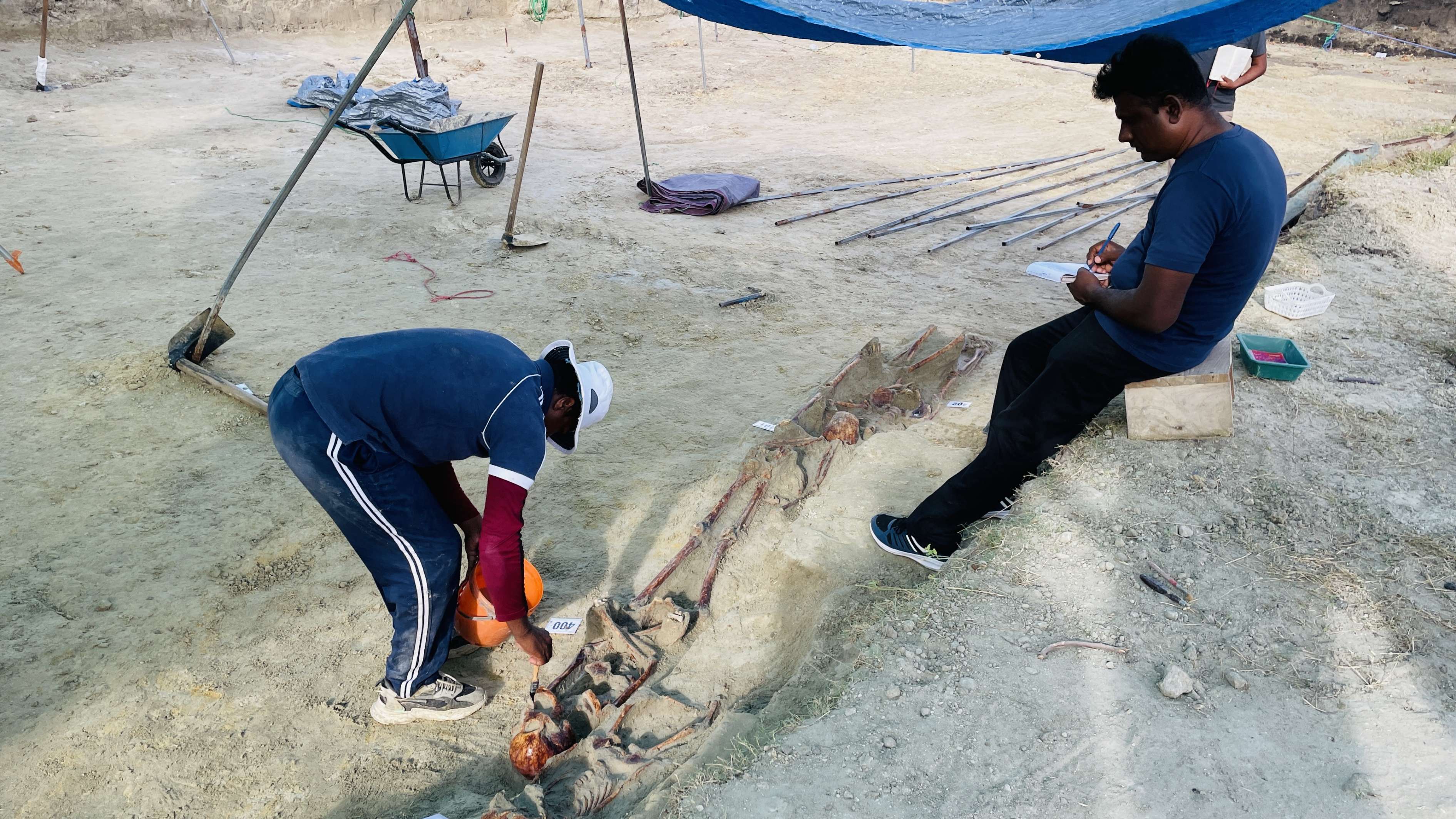
Chemmani became the largest mass grave uncovered earlier this month, surpassing the 376 remains recovered from the Mannar Sathosa grave.
The site first drew international attention in 1998, when a Sri Lankan soldier testified that hundreds of Tamils forcibly disappeared during the military's occupation of Jaffna had been buried there, and the families of the disappeared have called repeatedly for the excavation to be placed under international supervision, citing the failure of Sri Lanka's domestic processes to win their trust.
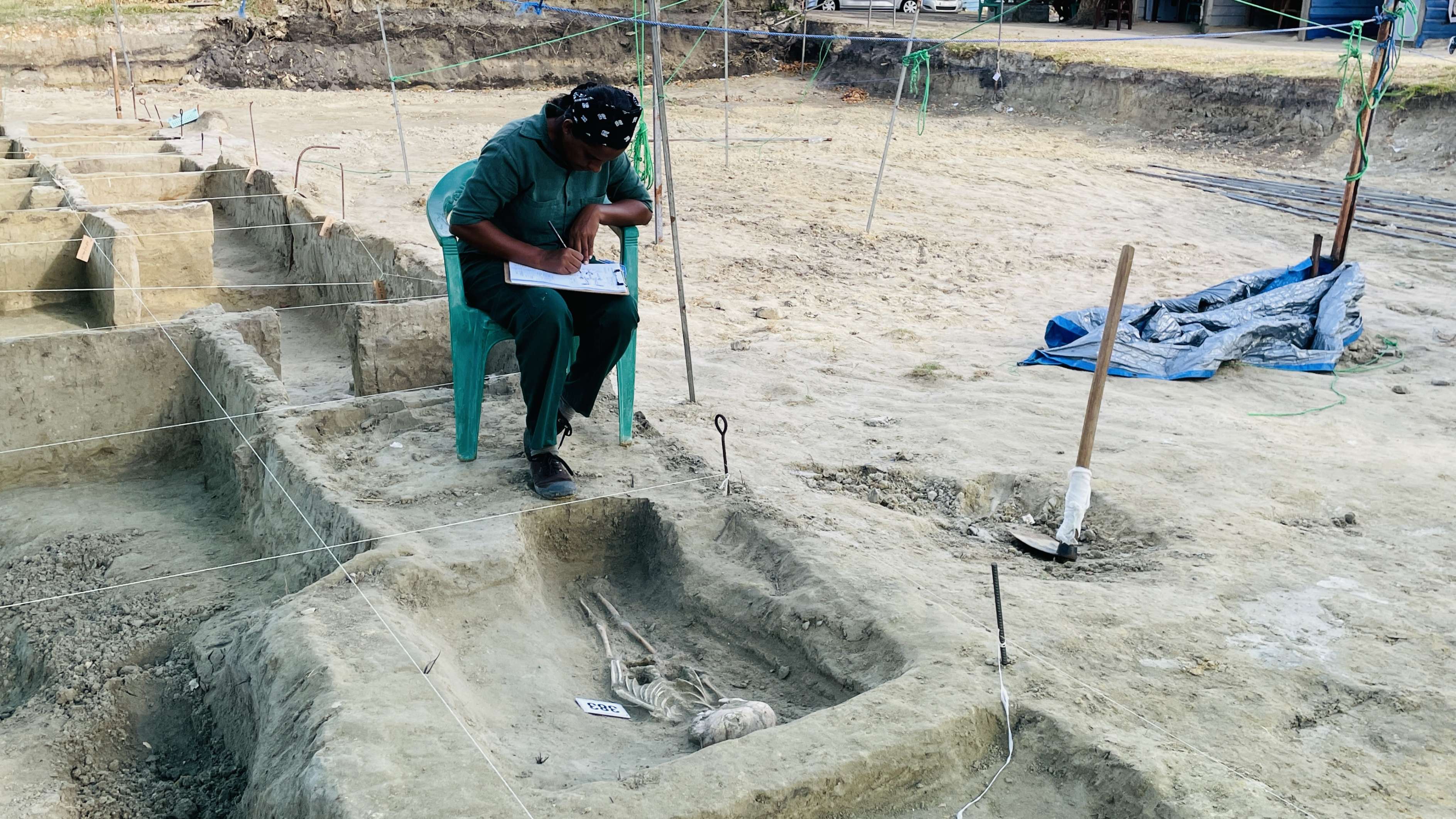
Speaking at the site, the attorney-at-law Ranitha Gnanarajah stressed that excavation and DNA analysis were two distinct stages, and that the identification of skeletal remains was only one phase of the work.
Further examination, she said, was required before details such as age, sex and cause of death could be established, and DNA testing would become possible only once relatives searching for missing family members came forward seeking information.
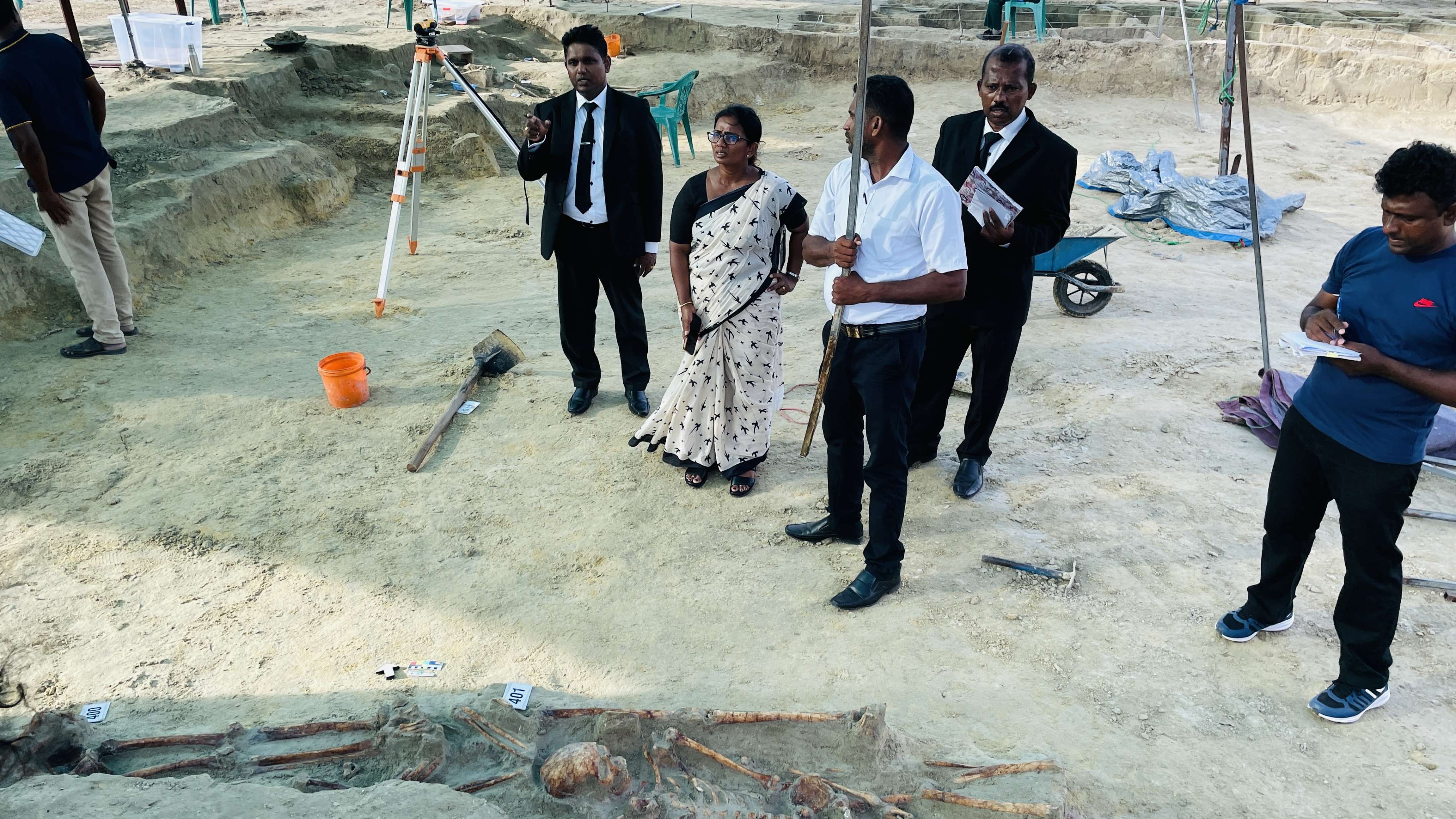
No effort had been made by the Office on Missing Persons (OMP) or any other relevant authority to collect and preserve DNA samples from the relatives of the disappeared so far, Gnanarajah said, adding that any future identification process would require the cooperation of families, the support of the government and the involvement of experts, and that further action over the remains would depend on directions issued by the court in light of the experts' findings.
More than a year after the excavations resumed, and with 412 sets of remains now identified, the work of matching them to the missing has yet to begin.