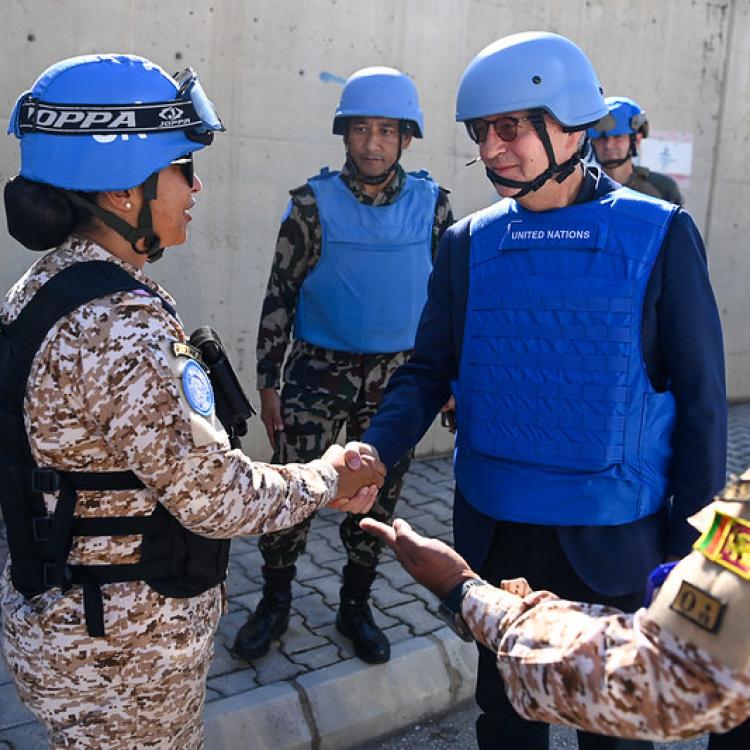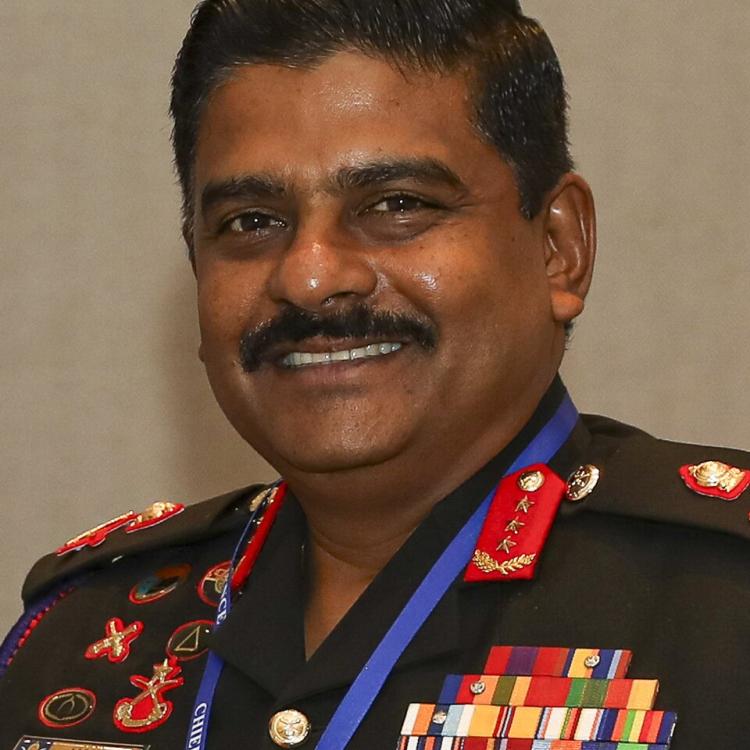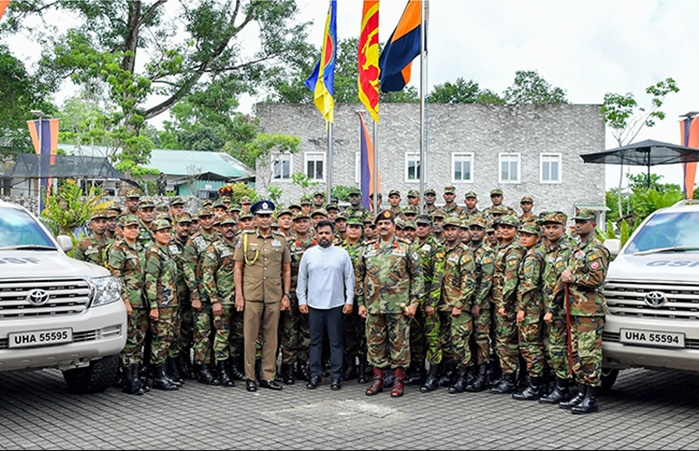
1,132 Sri Lankan personnel from the Sri Lankan Army and the Police Special Task Force are set to depart on United Nations peacekeeping missions in Haiti in August, marking the single largest deployment of the country’s personnel to date.
The contingent will consist of 900 army personnel from various regiments, 189 officers from the Police Special Task Force, and, for the first time, 43 female army personnel who are reportedly trained in demining and explosive ordnance disposal operations.
The battalion will be equipped with armoured vehicles, locally manufactured Uni Buffel vehicles, and two specialised bulletproof vehicles provided by the Presidential Security Division.
According to a government release, the Gang Suppression Force (GSF) will be sent to ‘help ease the current crisis in Haiti and support efforts to establish peace and stability in that country.’
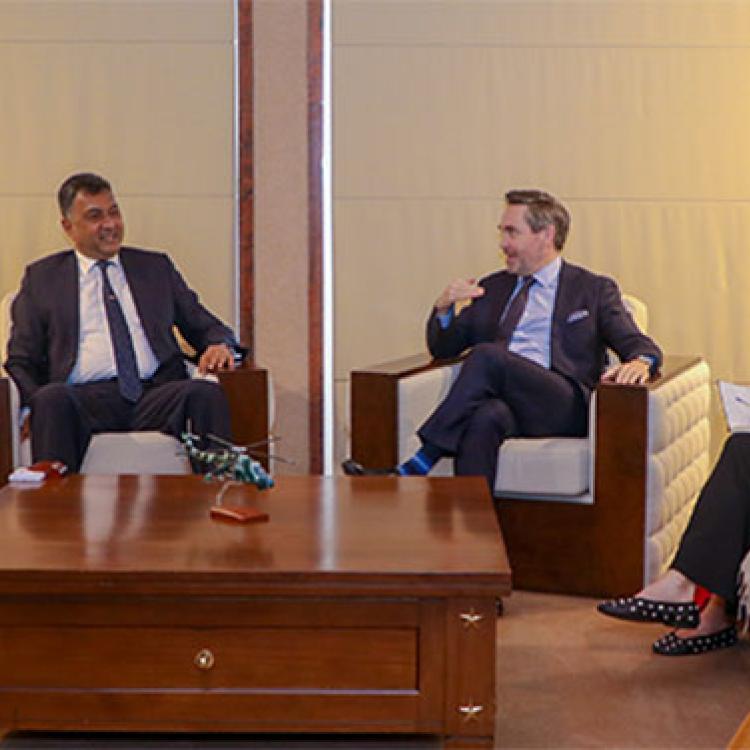
On June 26, President Anura Kumara Dissanayake joined a ceremony at the Sri Lanka Infantry Regimental Centre in Panagoda to ‘extend his best wishes’ to the personnel.
‘You are demonstrating to the world that we possess an armed force and a Special Task Force that are prepared to stand for the protection, democracy and human rights of oppressed people wherever they may be in the world,’ Dissanayake said to the departing personnel.
‘Sri Lanka has, for many years, served alongside United Nations peacekeeping forces and on every occasion has earned distinction and respect. Today, you depart bearing the honour of a nation that has long performed its duties within UN peacekeeping missions with exemplary discipline and professionalism,’ he continued.
The deployment marks a return to Haiti for Sri Lankan forces more than a decade after their last mission. The previous deployment between 2004 and 2015 was tainted by widespread scandals.
In 2007, more than 100 Sri Lankan peacekeepers were repatriated following allegations of sexual exploitation and abuse involving minors. An investigation revealed that soldiers preyed upon young Haitian children in a sex ring that lasted for three years by exchanging food and money for sex. Despite the investigations into these serious allegations, not one perpetrator has been held accountable.
On June 25, a group of human rights organisations, including the International Truth & Justice Project, Sri Lanka Campaign for Peace & Justice, and People for Equality & Relief in Lanka, called for an urgent halt to the upcoming deployment.
The organisations demanded the establishment of an independent, credible vetting and screening mechanism with meaningful participation from the Office of the High Commissioner for Human Rights, and to ensure that any official with unresolved human rights allegations or with a conflict of interest should play no role in supervising, certifying or approving the screening process.
‘No individual should be deployed without an independent assessment of involvement in past violations,’ said the joint statement.
‘This deployment from a country - whose security forces have been repeatedly implicated in serious violation of international humanitarian law, international human rights law, and conflict-related sexual violence, and where accountability for such violations remain largely absent, - is proceeding without a credible independent human rights vetting and screening mechanism,’ they stated.
'The resulting risk is not merely theoretical, it is foreseeable, well documented and is incompatible with the standards that the UN has committed itself to uphold,’ the statement continued.
The organisations demanded that the United Nations and the GSF Standing Committee require the publication of the names and photographs of deploying personnel to facilitate investigation of any allegations and to establish a complaints mechanism in Haiti.
They also urged the Sri Lankan government to reply to the UN Committee Against Torture’s pending questions regarding how the prosecutions against officers were proportionate to the gravity of the crimes committed in Haiti, with a full, transparent public accounting of all actions taken against perpetrators. They also called for compensation, rehabilitation, and acknowledgement for all identified victims.
The organisations demanded that member states press for the suspension of the deployment until credible, independent vetting is in place and there is accountability for past violations.
Failure to take these steps ‘risks exposing Haitian civilians particularly women and children, to foreseeable harm while undermining the credibility of the United Nations’ own human rights commitments,’ the organisations concluded.