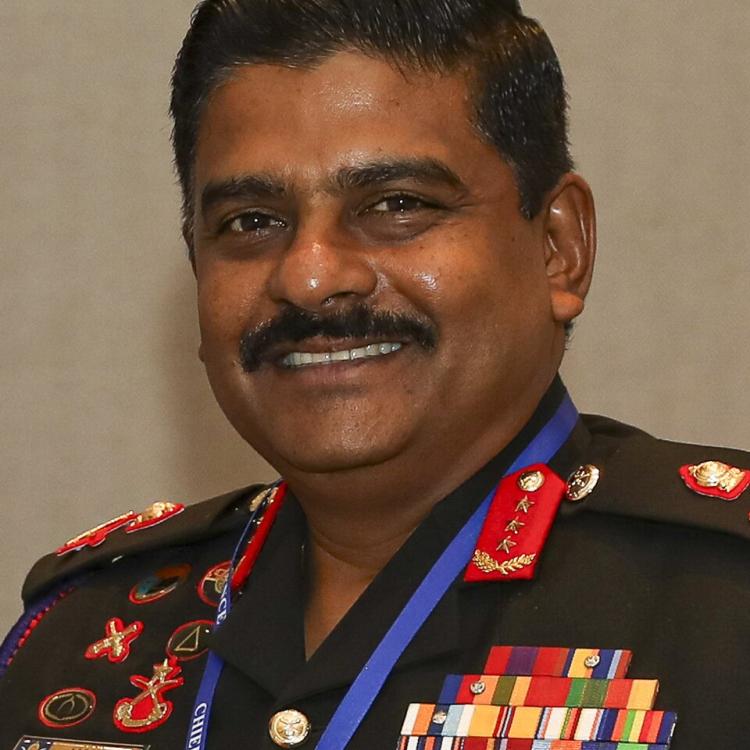
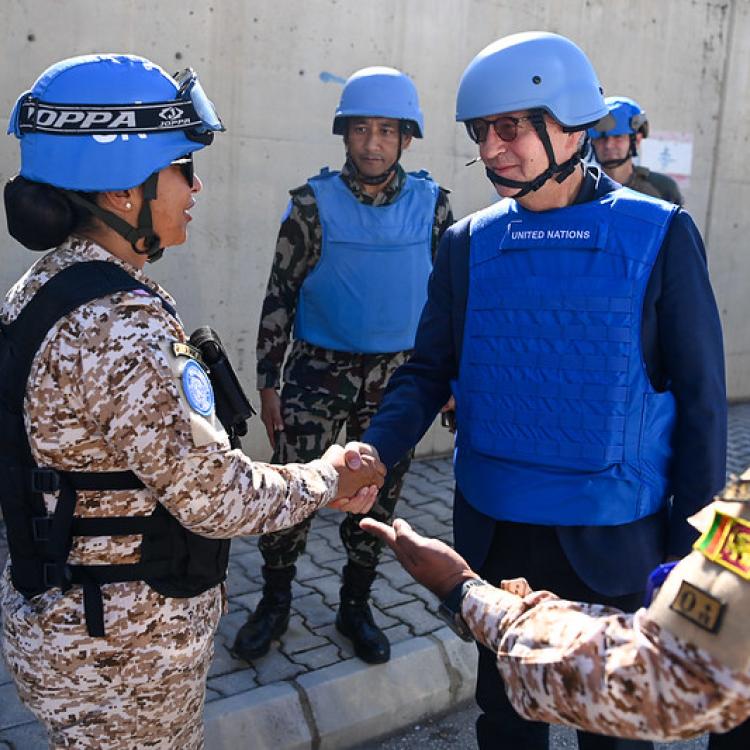
Sri Lanka is considering deploying troops to Haiti under a United Nations-backed Gang Suppression Force (GSF), despite longstanding allegations of mass atrocities against Tamils and a history of abuse linked to its previous mission on the Caribbean island.
Sri Lanka’s Deputy Minister of Defence, Major General (Retd) Aruna Jayasekara, confirmed that discussions are underway regarding a possible contribution to the 5,500-strong multinational force established under UN Security Council Resolution 2793. The proposed deployment would mark a return to Haiti for Sri Lankan forces more than a decade after their last mission.
The GSF, expected to be fully operational by October, has been tasked with dismantling heavily armed gangs, securing key infrastructure, and supporting Haiti’s national police in restoring order.
However, the potential inclusion of Sri Lankan troops has prompted renewed scrutiny of the military’s record. Tamil organisations and human rights advocates have long accused Sri Lankan security forces of committing war crimes and crimes against humanity during the final stages of the armed conflict in 2009. Calls for accountability continue to be raised at international forums, including the United Nations.
Sri Lanka’s previous deployment to Haiti between 2004 and 2015 was also marred by scandal. In 2007, more than 100 Sri Lankan peacekeepers were repatriated following allegations of sexual exploitation and abuse involving minors. Reports detailed accusations that peacekeepers exchanged food and money for sex with girls and boys as young as 12. Despite the seriousness of the allegations, there were few, if any, meaningful prosecutions, fuelling criticism of entrenched impunity within the military.
Critics argue that the UN’s willingness to re-engage Sri Lankan forces highlights a contradiction between its peacekeeping operations and its stated human rights commitments. While UN bodies have repeatedly called for accountability and reform within Sri Lanka’s military, redeployment risks undermining those efforts.
The Sri Lankan government has framed the potential mission as an opportunity to enhance its international standing and generate foreign exchange through UN reimbursements.