 HSBC has confirmed that oil delivered to Sri Lanka cost as much as $286 per barrel, exposing the scale of the country’s vulnerability to global supply disruptions and raising renewed questions over the true cost of fuel imports during the ongoing economic crisis.
The confirmation follows remarks made earlier this month by HSBC chief executive Georges Elhedery at an investment summit in Hong Kong, where he warned that headline global oil prices no longer reflect what countries in Asia are actually paying once shipping, insurance and conflict-related disruptions are factored in. Speaking publicly, Elhedery said he had seen a case in which oil reaching Sri Lanka had cost $286 per barrel.
Sri Lankan media subsequently sought clarification from HSBC’s Group Media division in London, which confirmed that the comments attributed to its chief executive were accurate and that the figure cited reflected the total “door‑to‑door” cost of oil under current market conditions.
A standard barrel of crude oil contains 159 litres. At $286 per barrel, this equates to roughly $1.80 per litre at the crude stage alone, before refining, inland transport, storage, dealer margins or taxes are applied. Converted into local currency, the base cost of crude entering Sri Lanka at that price would amount to approximately LKR 580 to 620 per litre, depending on exchange rates.
This figure stands in stark contrast to the current retail prices charged to motorists across the island, which remain significantly lower than what such an import cost would imply on a full cost‑recovery basis. Petrol and diesel prices have been managed by the state amid political sensitivity around fuel costs following the 2022 economic collapse, despite persistent volatility in global energy markets.
The discrepancy between the reported import cost and pump prices suggests that losses are being absorbed elsewhere within the fuel supply chain, either through state-owned entities, deferred payments to suppliers, renegotiated contracts, or indirect fiscal support. The Sri Lankan government has not publicly clarified which mechanisms are being used, nor how long such arrangements can be sustained.
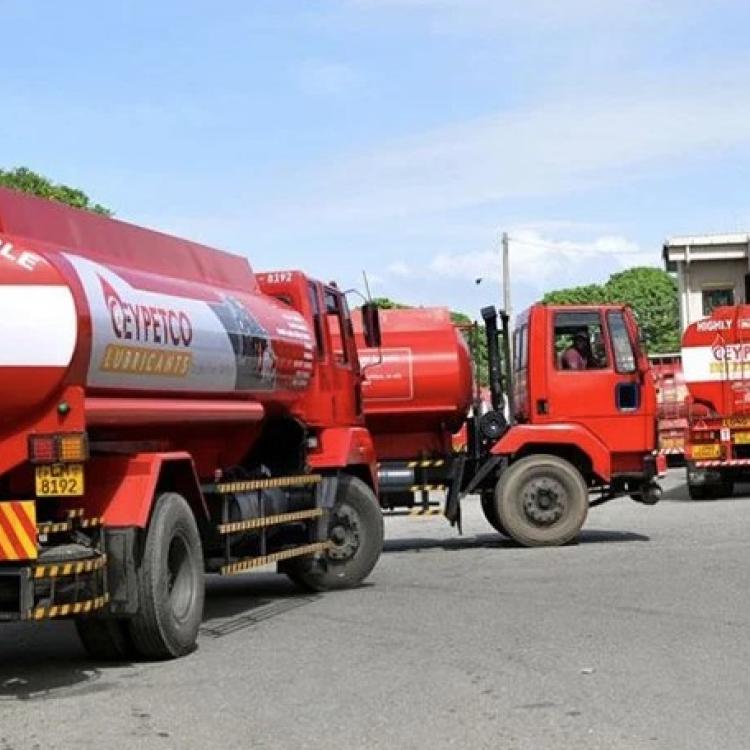
In response to the HSBC confirmation, the Ceylon Petroleum Corporation (CPC) issued a statement rejecting claims that it imported crude oil at $286 per barrel. The state‑run corporation said reports suggesting it had agreed to such prices were false and stressed that recent shipments procured for the Sapugaskanda refinery were secured at significantly lower rates, ranging between approximately $71.99 and $113.29 per barrel.
However, HSBC’s remarks leave unresolved questions about who imported the oil referenced by its chief executive, under what contractual arrangements it entered Sri Lanka, and whether the purchaser was a state entity, a private importer, or an intermediary operating within Sri Lanka’s highly opaque fuel procurement framework. Neither HSBC nor the Sri Lankan government has publicly identified the buyer nor clarified the circumstances of the shipment.
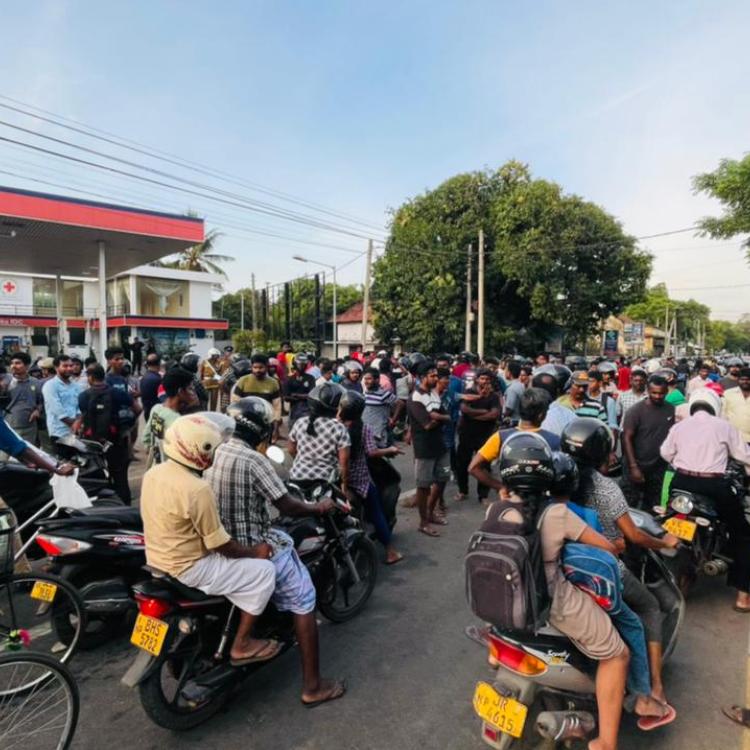
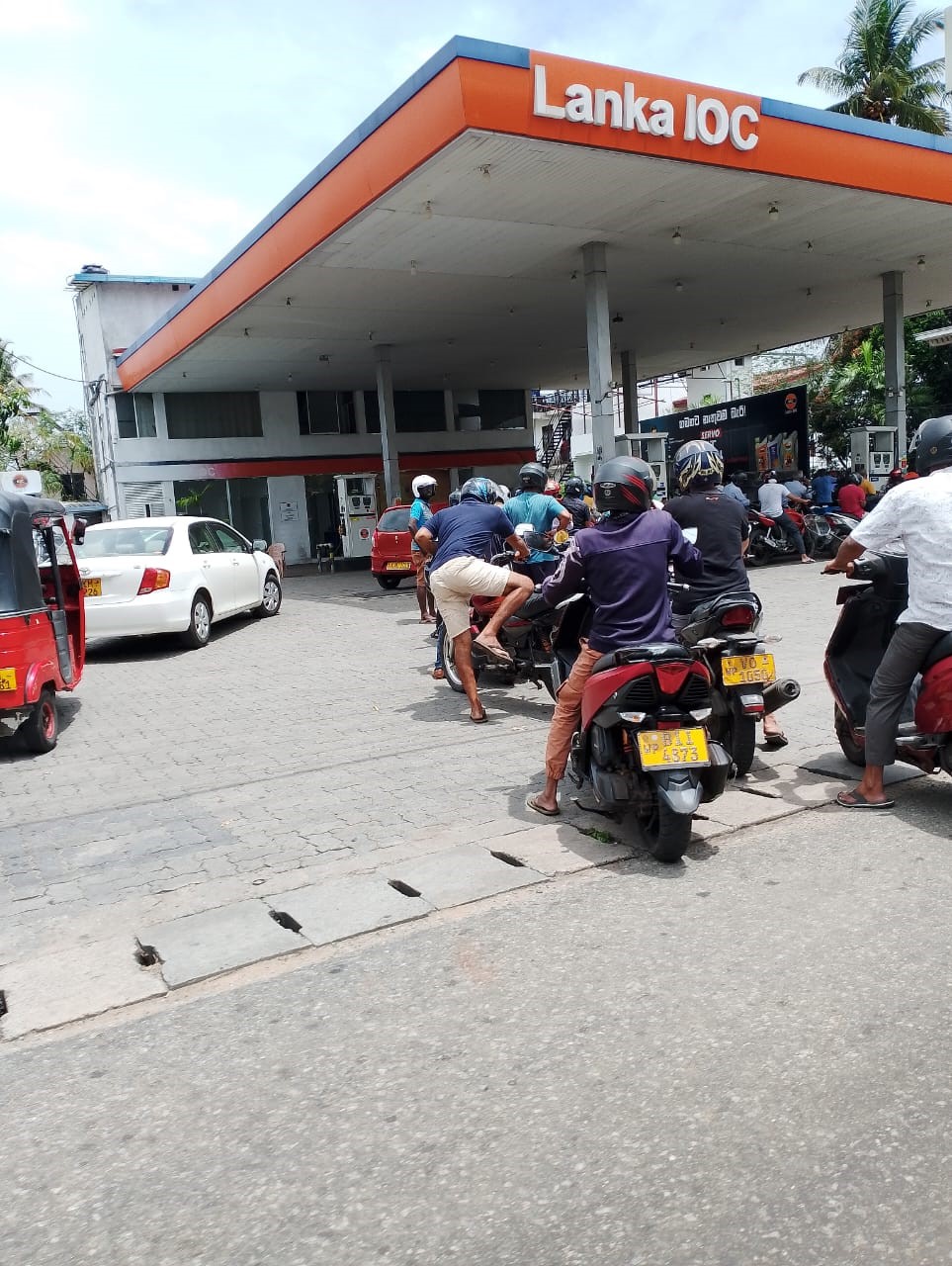
Sri Lanka remains almost entirely dependent on imported fuel, a structural vulnerability that has repeatedly translated into economic shocks during periods of global instability. In recent years, fuel price volatility has fed directly into wider inflation, transport disruption and recurrent shortages, hitting ordinary people hardest.
Tamil communities in the North‑East have been particularly exposed to these shocks. Fishing, farming and small‑scale trade in the region are heavily reliant on diesel and petrol, and even modest price increases have previously curtailed livelihoods, disrupted food supply chains and restricted access to essential services. During previous fuel crises, prolonged shortages severely affected mobility across militarised areas and deepened existing socio‑economic marginalisation.
If fuel continues to enter the country at such elevated costs while retail prices remain politically managed, the shortfall must ultimately be borne by the state — either through rising debt at state‑owned enterprises, further pressure on public finances, or future price hikes imposed on consumers. In previous instances, similar losses were absorbed through austerity measures, indirect taxation and cuts to public services.
While Colombo has sought to project a narrative of economic stabilisation under international lending programmes, the confirmation that oil has reached Sri Lanka at $286 per barrel underscores the fragility beneath those claims. As global conflicts continue to disrupt supply routes and inflate transport and insurance costs, peripheral economies such as Sri Lanka remain exposed to price shocks over which they have little control.