.jpeg)
A memorial known as the “Unquenchable Lamp,” erected in Jaffna to demand justice for the Chemmani mass graves, was found vandalised early on Thursday, just weeks after it was first set up by protesters.
The candle-lit memorial was originally established at the end of June during a peaceful protest held near the mass grave site in Jaffna, where demonstrators gathered to call for accountability for the victims. Candles were lit throughout the night, and at the close of the event, protesters installed a lamp structure in the area as a symbol of remembrance.
.jpeg)
The site was visited by the United Nations High Commissioner for Human Rights, Volker Türk, in June where he laid flowers before a flame amid calls for international accountability over wartime atrocities.
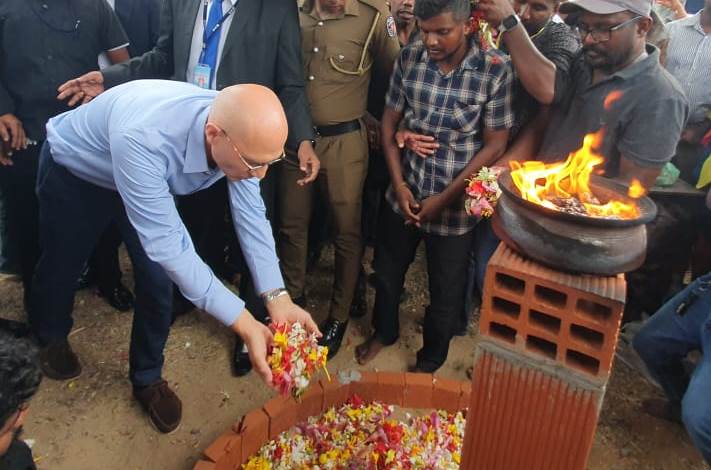
Read more: UN human rights chief pays tribute at Chemmani protest, visits mass graves
On Wednesday night, however, the memorial was reportedly broken and vandalised by unidentified individuals. By Thursday morning, efforts to reconstruct the site had already begun, with locals returning to relight candles and rebuild the damaged lamp.
The destruction of the monument has sparked anger among residents, who view the act as an attempt to erase collective memory and silence ongoing demands for justice.
.jpeg)
Local civil society groups have condemned the vandalism and pledged to restore the memorial as a continued symbol of resistance and remembrance.
The Chemmani mass grave site has long been tied to allegations of extrajudicial killings carried out by the Sri Lankan army during its occupation of Jaffna in the mid-1990s. In 1998 a Sri Lankan soldier on trial for rape and murder testified that hundreds of Tamils had been secretly buried there.
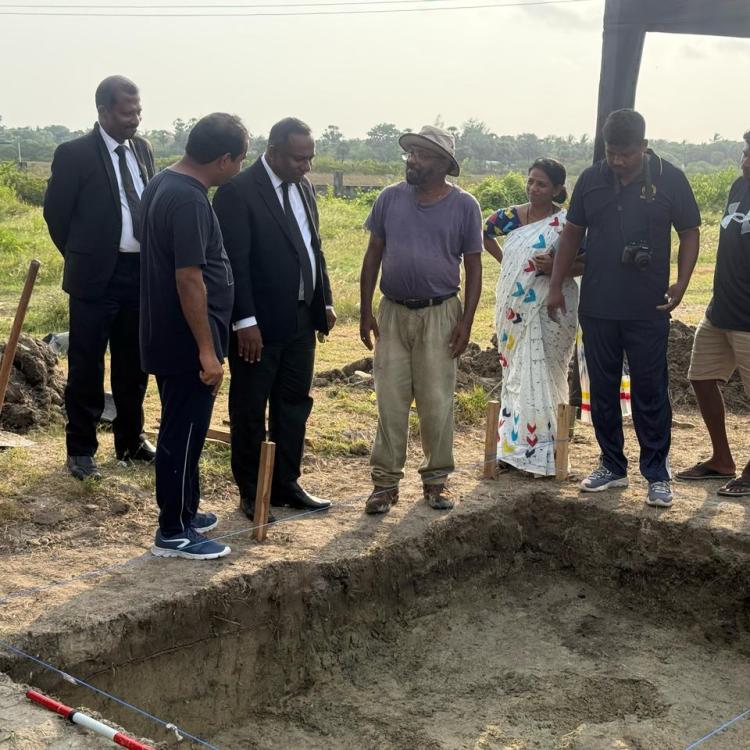
Recent excavations have uncovered at least 240 human skeletons, including the remains of children, infants, and bodies found in overlapping positions, in one of the island’s largest ever mass graves.