.jpg)
The Jaffna Magistrate’s Court has ordered the supervised removal of stagnant floodwater from the Chemmani mass grave excavation site, following concerns that inundation has stalled ongoing investigations.
The Chemmani mass grave case was taken up for hearing on Sunday before Jaffna Magistrate S. Lenin Kumar. During the proceedings, attorneys representing the victims informed the court that heavy flooding had submerged the area where excavation work had previously been conducted.
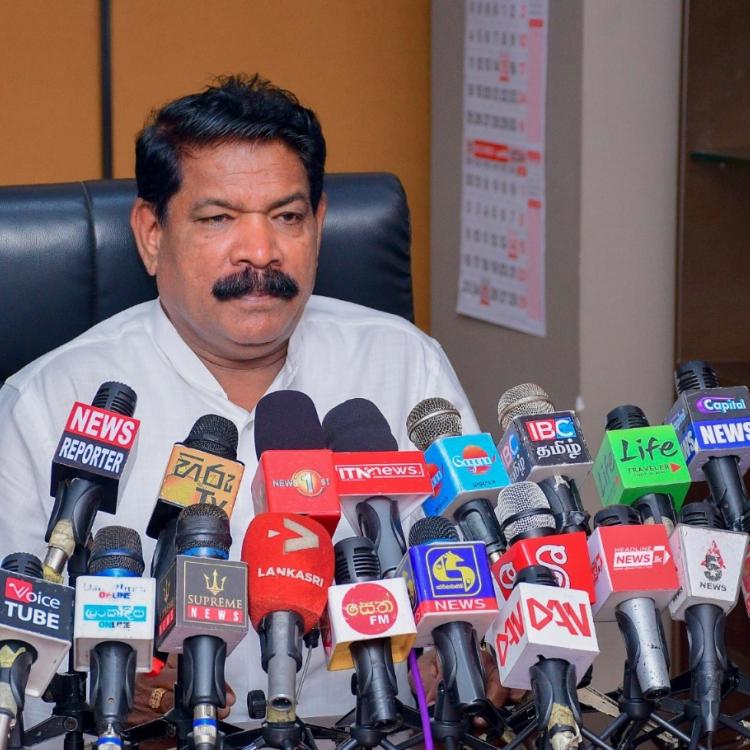
Attorneys Ranitha Gnanaraja and Niranjan, appearing on behalf of the victims, addressed the media after the hearing and outlined the key decisions taken by the court.
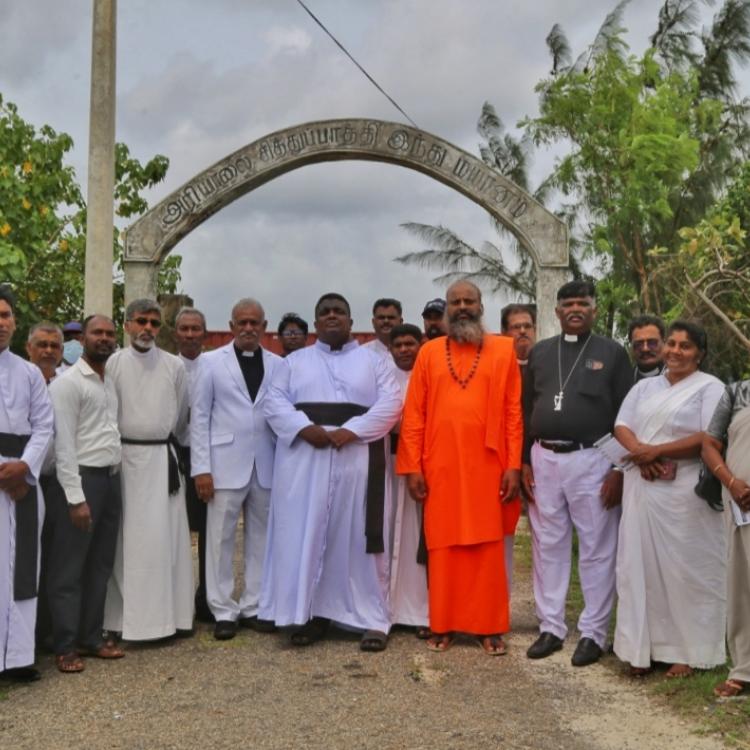
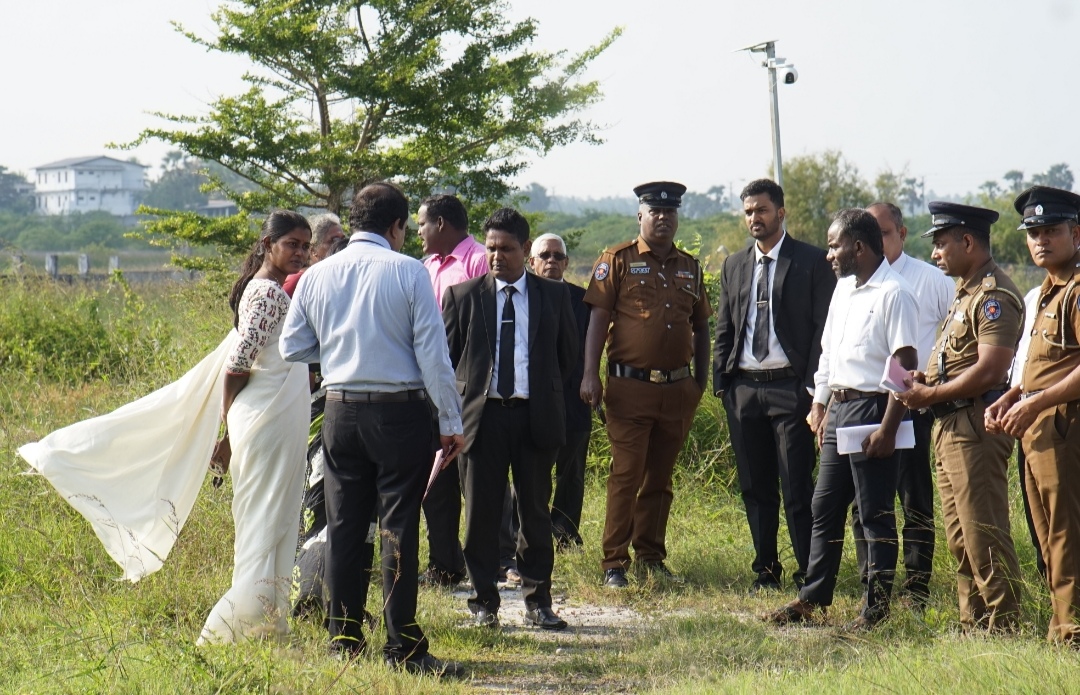
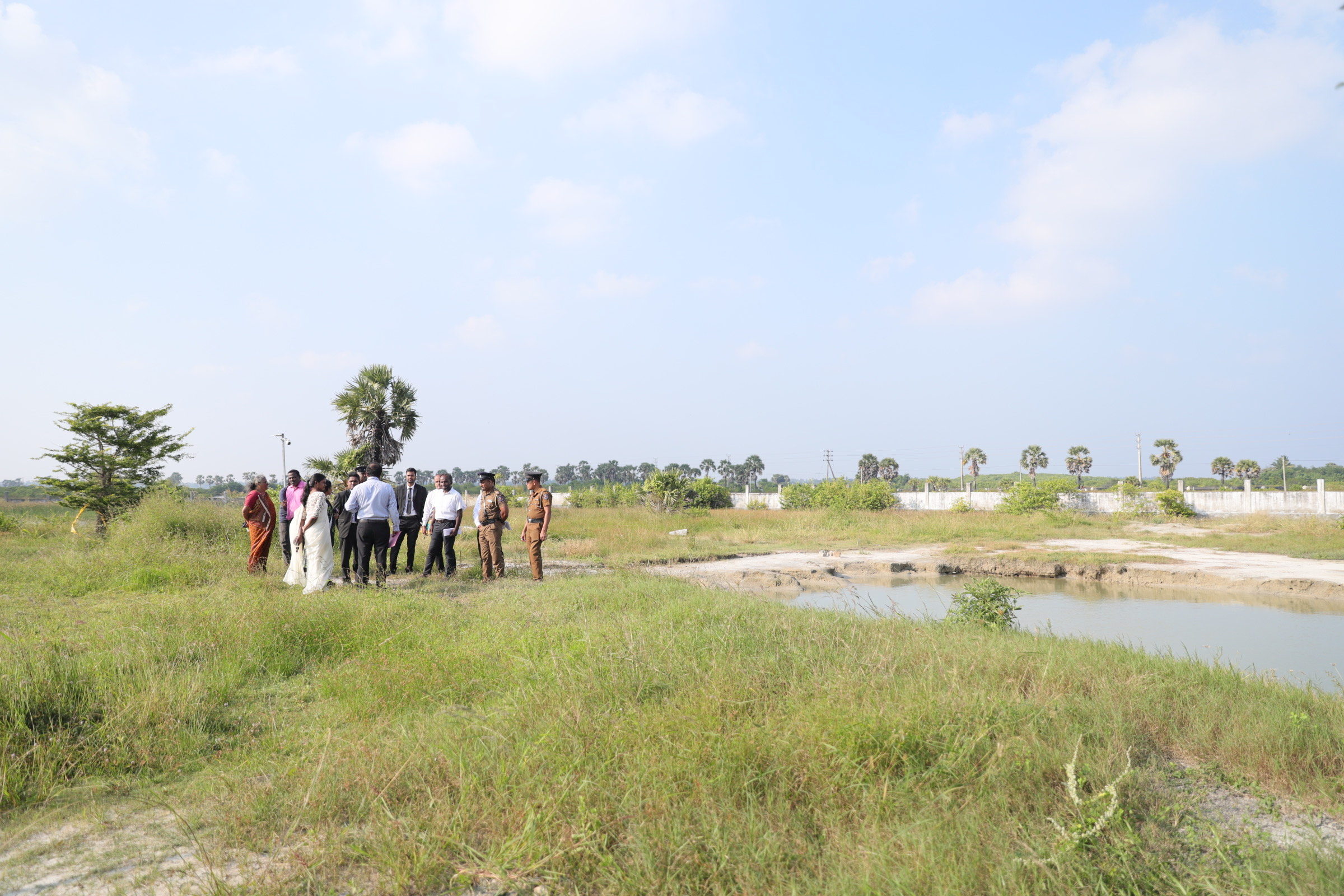
As part of the proceedings, the court directed that an on-site inspection be carried out. At approximately 3.00 p.m., the Magistrate, accompanied by legal representatives of the Office on Missing Persons, officers of the Criminal Investigation Department, attorneys, and members of the Hindu cemetery management committee, visited the excavation site to assess the situation directly.
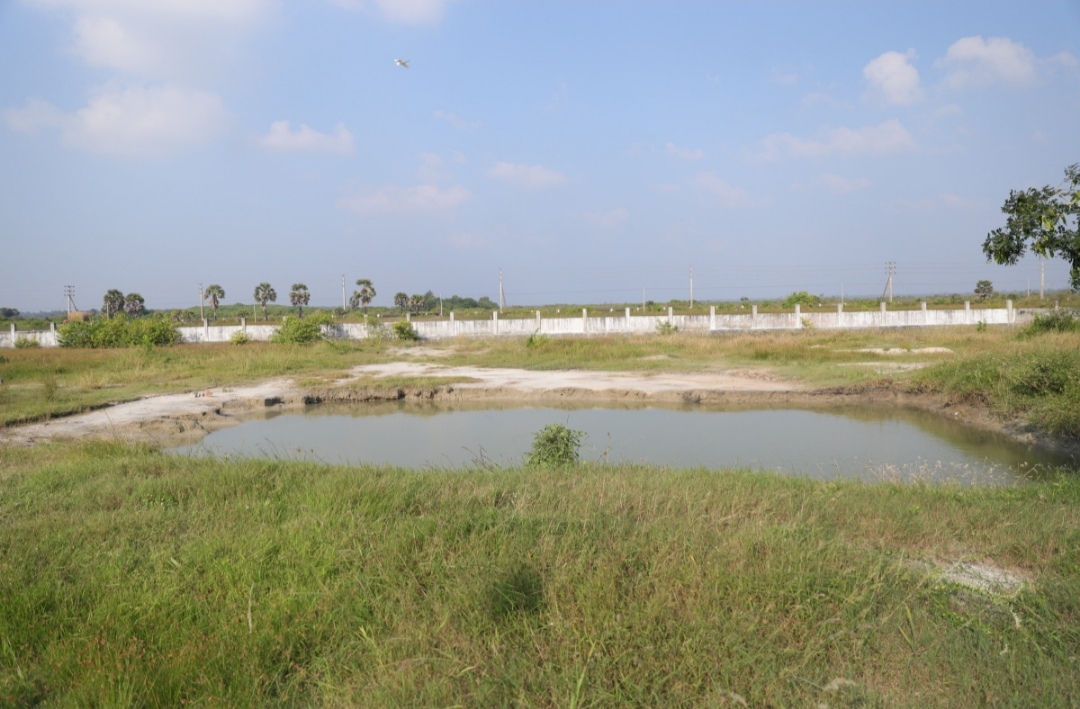
During the inspection, it was observed that floodwater had entered the excavated area and completely submerged the site. Given these conditions, the court concluded that excavation work could not be resumed immediately.
The court determined that excavation could either recommence after the water naturally recedes or following the active removal of the accumulated water.
Accordingly, a decision was made to drain the stagnant floodwater on February 9 under court supervision. The process will be carried out through the Judicial Medical Officer with the assistance of the Nallur Pradeshiya Sabha.
It was further stated that once the water has been successfully removed, a new date will be fixed for the resumption of excavation work.
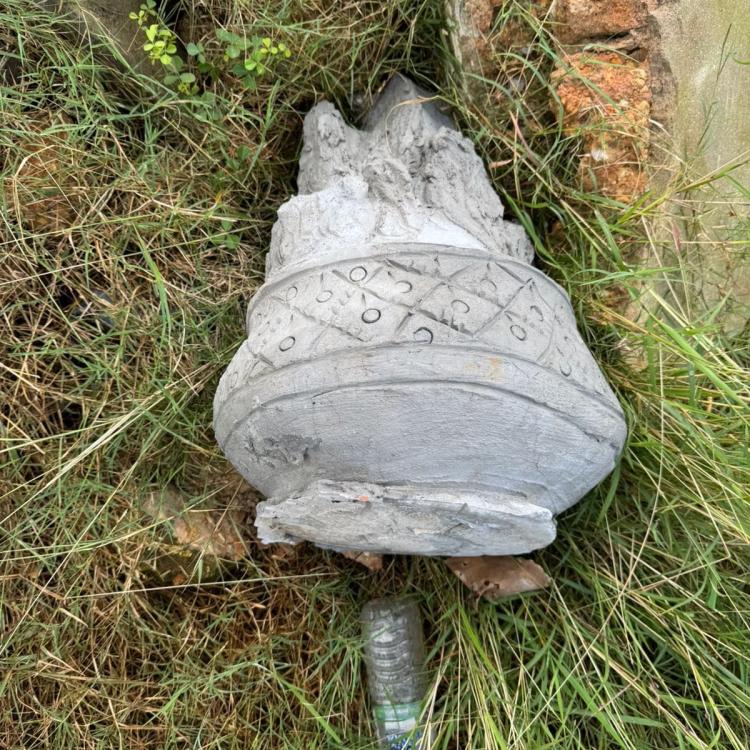
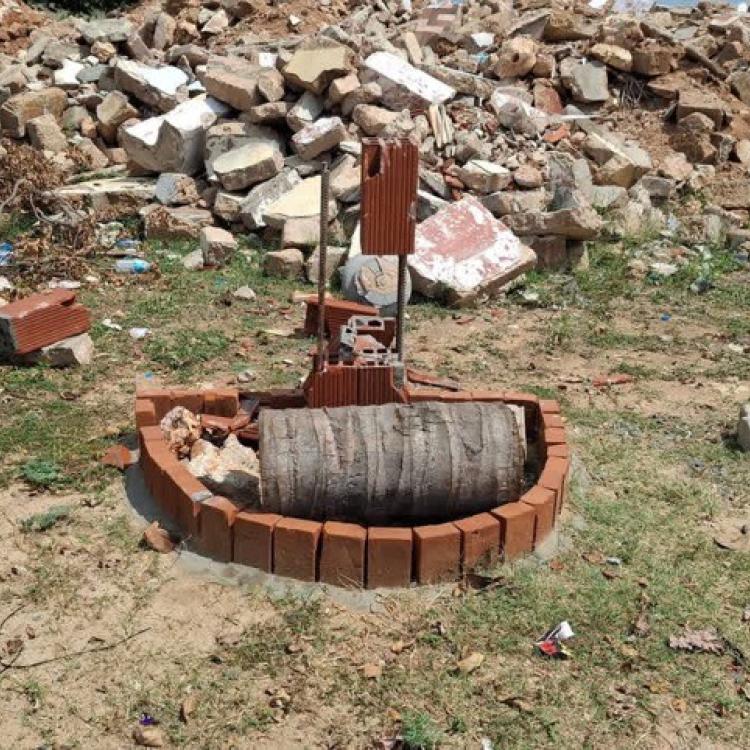
In addition to the issue of flooding, an application was submitted to the court on behalf of the victims regarding recent actions by the Nallur Pradeshiya Sabha. The application raised concerns over the resurfacing of an existing pathway within the Sindhubathi Hindu cemetery, where the mass grave is located, and sought an order preventing any alterations to the land.
After considering the application, the court issued a clear directive that no changes may be made to the physical condition of the land until the excavation process is fully completed.
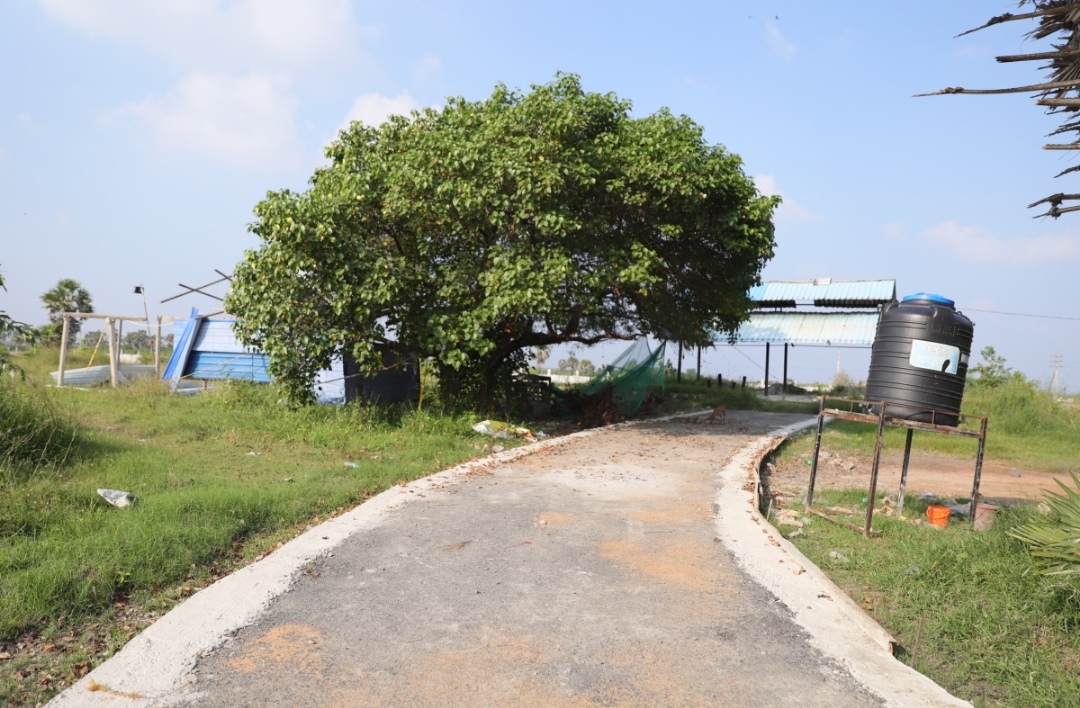
The court further ordered that no work of any kind may be carried out within the premises of the mass grave site without prior court approval.
These orders were welcomed by legal representatives and families of the disappeared, who have long called for the preservation of the Chemmani site and for investigations to proceed without interference.
The Chemmani mass grave is among the most significant sites linked to allegations of enforced disappearances and extrajudicial killings carried out by the Sri Lankan army during its occupation of Jaffna in the mid-1990s. In 1998, a Sri Lankan soldier testified in court that hundreds of Tamils had been secretly buried at the site. Recent excavations have since uncovered at least 240 human skeletons, including children and infants, with bodies found in overlapping positions.