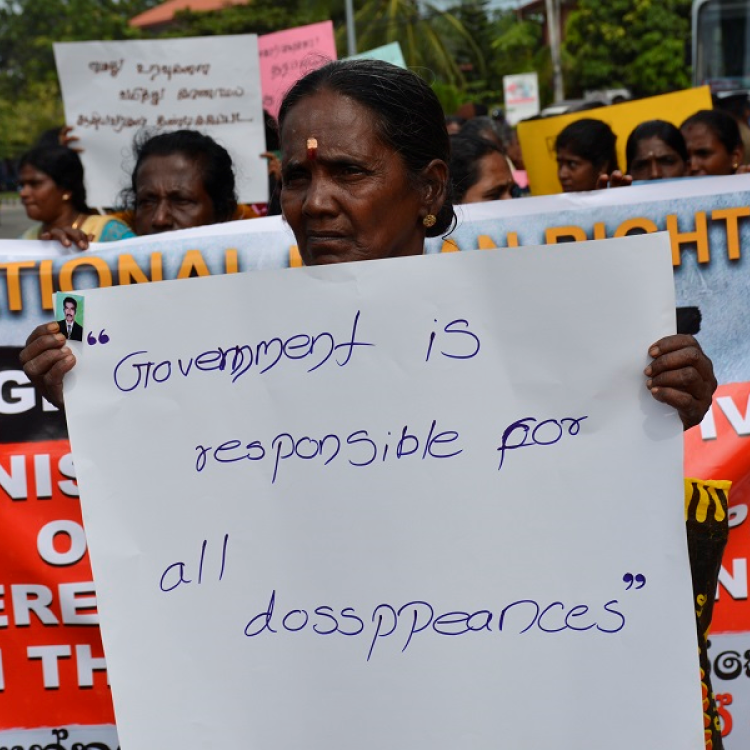
The British Tamil Forum (BTF) has called on the international community to reject Sri Lanka’s efforts to replace meaningful international accountability with a domestic criminal justice mechanism, warning that such proposals lack both credibility and capacity to deliver justice for mass atrocity crimes.
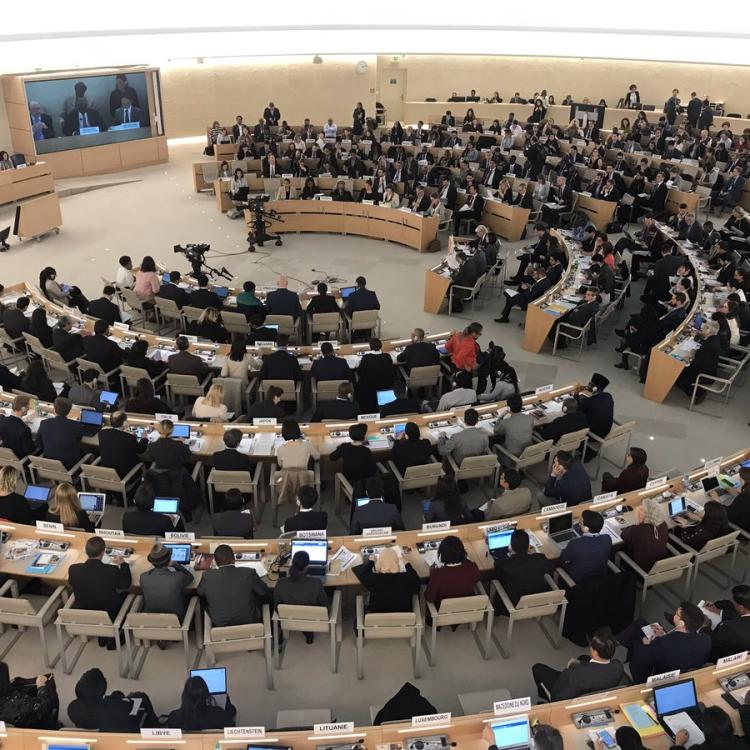
In a statement issued during the 61st session of the UN Human Rights Council in Geneva, the organisation said it had engaged with diplomats to underscore what it described as Colombo’s ongoing attempt to deflect international scrutiny. Despite global attention being focused on escalating tensions involving Iran, Israel, and the United States, BTF stressed the continued urgency of accountability for crimes committed in Sri Lanka.
The organisation argued that Sri Lanka’s domestic legal framework remains fundamentally unfit to prosecute genocide, war crimes and crimes against humanity. It highlighted the absence of key principles recognised under international criminal law, including the doctrine of command responsibility, which it said enables senior officials to evade liability.
BTF further pointed to statutory limitations within Sri Lankan law that it said effectively shield perpetrators, particularly in cases of sexual violence, enforced disappearances and torture committed prior to 2006. These legal constraints, it warned, risk creating de facto immunity for some of the gravest abuses.
Serious gaps in legal definitions were also identified, including the failure to adequately recognise certain forms of sexual violence. Citing findings from United Nations investigations, the Forum reiterated that abuses by Sri Lankan security forces were not isolated incidents but formed part of a broader, institutionalised pattern.
Concerns over witness protection and evidentiary integrity were also raised, with BTF noting that the majority of material held by international accountability mechanisms has been submitted under strict confidentiality. This, it said, reflects a deep mistrust of Sri Lanka’s domestic institutions and renders local judicial processes structurally incapable of establishing liability at a command level.
The Forum also highlighted longstanding concerns over politicisation and judicial independence, pointing to patterns of state interference and judicial reluctance to incorporate international legal obligations. It referenced rulings by Sri Lanka’s Supreme Court rejecting the automatic applicability of international treaties, alongside the state’s continued failure to implement UN recommendations in key cases.
In light of these structural deficiencies, BTF called for the establishment of robust international accountability mechanisms and urged states to expand the use of universal jurisdiction. It specifically named the United Kingdom, Canada and the United States, while encouraging jurisdictions including the European Union, Australia and New Zealand to pursue similar legal avenues.
The organisation warned that without decisive international intervention, entrenched impunity and deeply rooted ethnonationalist politics in Sri Lanka will persist, leaving victims without justice and undermining prospects for a durable peace.