.jpeg)
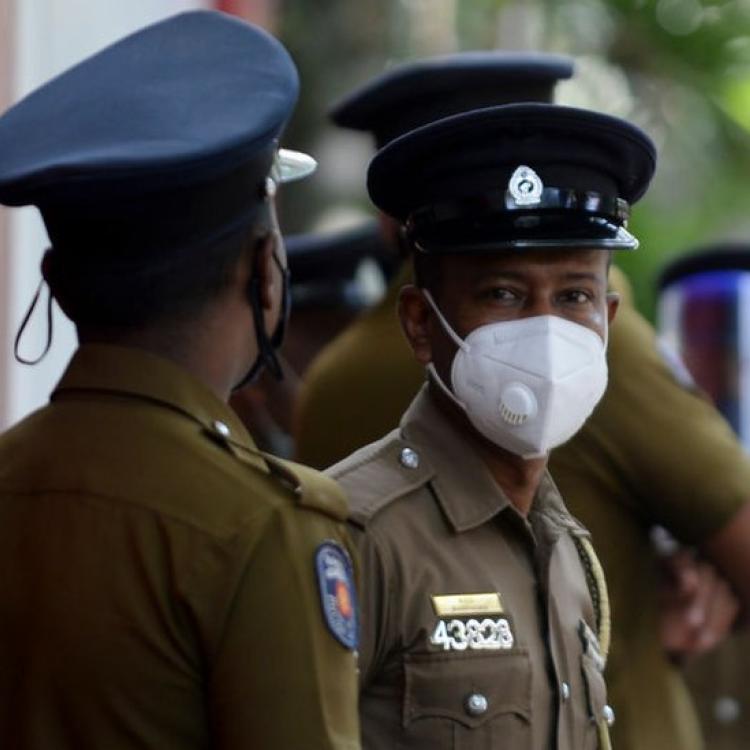
The United Nations Subcommittee on Prevention of Torture (SPT) has returned to Sri Lanka for the first time in seven years, as concerns persist over the state's longstanding use of torture, arbitrary detention and ill-treatment, particularly against Tamils detained under security legislation.
The delegation's visit, which runs from 15 to 24 June, comes amid continuing allegations from human rights organisations that torture remains widespread within Sri Lanka's police stations, prisons and detention facilities, despite repeated commitments by successive governments to reform the system.
According to a statement issued by the United Nations in Sri Lanka, the mission will assess whether authorities have implemented recommendations made following the SPT's previous visit in 2019 and whether safeguards against torture have improved in practice.
The visit is likely to draw particular attention from Tamil victims and human rights advocates, who have long documented the use of torture by Sri Lankan security forces against Tamils, including political prisoners, detainees held under the Prevention of Terrorism Act (PTA), and those accused of links to the LTTE.
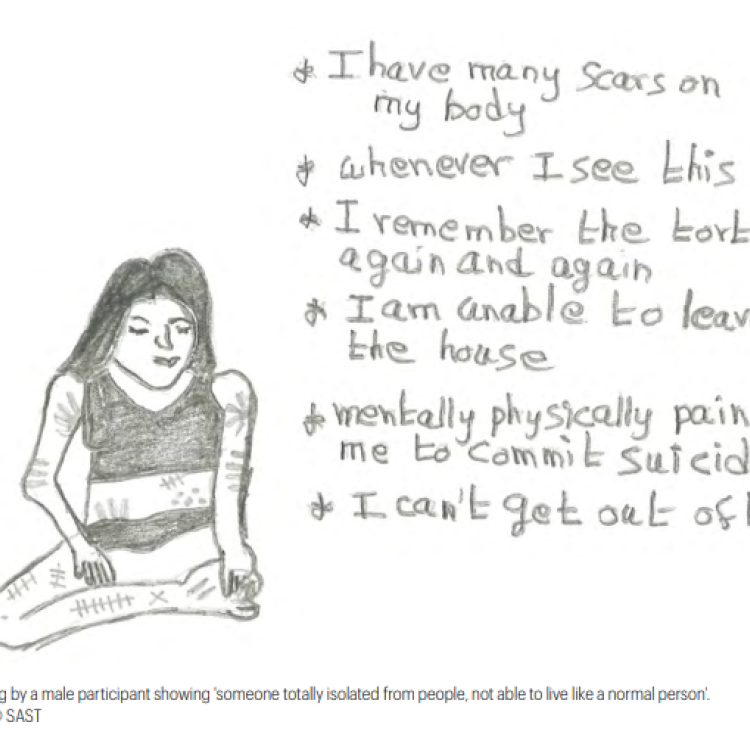
Numerous reports by UN bodies, international human rights organisations and survivors have documented patterns of torture, sexual violence and coerced confessions in Sri Lankan detention facilities, including years after the end of the armed conflict in 2009.
The SPT's first visit to Sri Lanka took place from 2 to 12 April 2019, during which delegates inspected prisons, police stations, remand centres and other places where individuals were deprived of their liberty. The delegation also met government officials, representatives of the Human Rights Commission of Sri Lanka and civil society organisations, while conducting confidential interviews with detainees.
Since that visit, Sri Lanka has designated a National Preventive Mechanism (NPM) under the Optional Protocol to the Convention against Torture (OPCAT). Aisha Shujune Muhammad, who heads the 2026 delegation, described the move as an important development in torture prevention efforts.
“In addition to undertaking preventive visits, our upcoming mission aims to evaluate the functioning of the mechanism and to assess how the authorities have implemented our recommendations over the past years,” she said.
The delegation is expected to undertake joint inspections with the NPM and assess the effectiveness of domestic oversight mechanisms.
However, questions remain over Sri Lanka's willingness to embrace transparency. The report produced following the SPT's 2019 visit remains confidential and has never been made public, despite repeated concerns raised by international organisations regarding torture and detention conditions on the island.
Under OPCAT, the SPT is authorised to conduct announced and unannounced visits to places of detention and engage with government officials, monitoring bodies and civil society representatives. At the conclusion of the mission, it will submit confidential preliminary observations to both the Sri Lankan government and the National Preventive Mechanism before preparing a more detailed report containing its findings and recommendations.
Unless Colombo consents to publication, that report will also remain confidential, raising concerns that critical findings on torture and ill-treatment may once again be shielded from public scrutiny.
The 2026 delegation is led by Aisha Shujune Muhammad of the Maldives and includes Jakub Julian Czepek of Poland, Nika Kvaratskhelia of Georgia and Anica Tomsic of Croatia, alongside two human rights officers from the Office of the United Nations High Commissioner for Human Rights.