The Sri Lankan government this week launched an island-wide programme to reconstruct religious sites damaged by Cyclone Ditwah, with the initiative inaugurated at a Buddhist temple in the central highlands under the direct supervision of Anura Kumara Dissanayake.
While officials insist that all damaged religious sites will be restored, the programme’s framing, leadership and early implementation raises concerns.
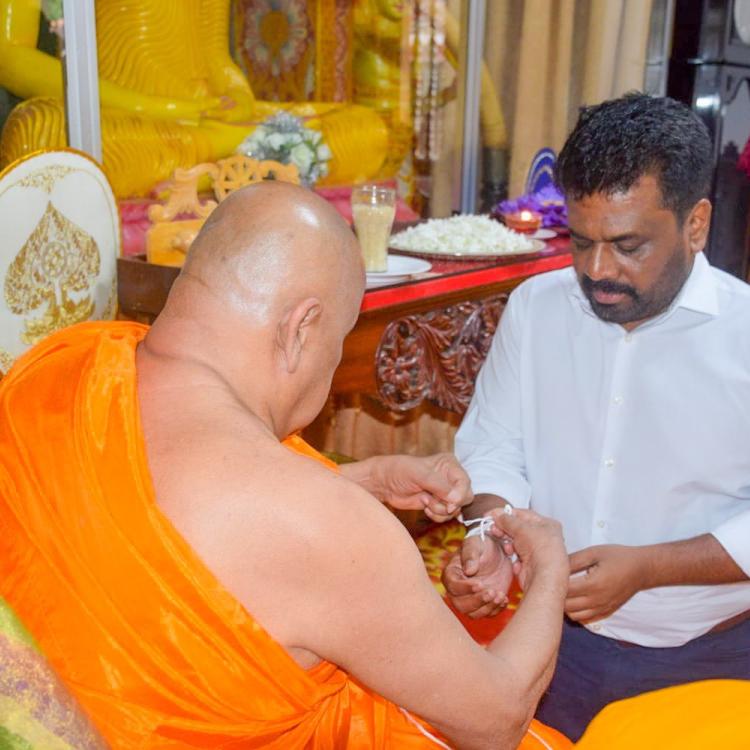
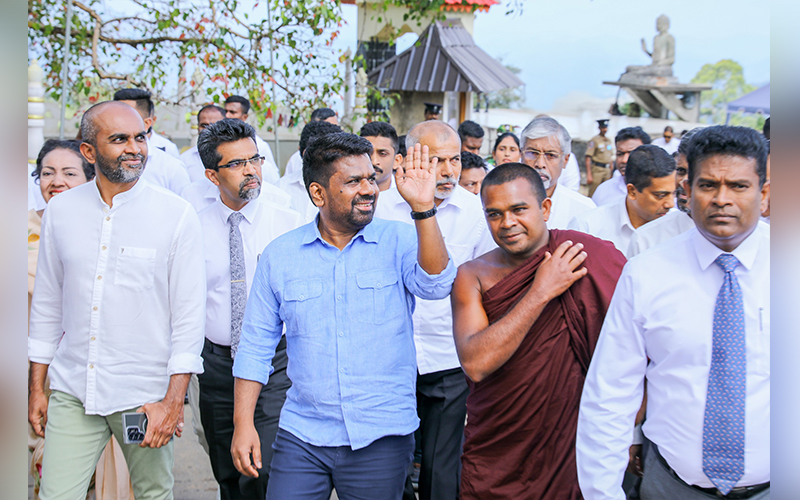
The programme, titled “Godanagamu Adhishtanaye Sanhinda”, was launched on 27 January at the Sri Bodhirukkarama Viharaya in Doragala, Gampola, a Buddhist temple that was destroyed during the cyclone. Sri Lanka's president Dissanayake took part in the ceremonial reconstruction.
According to figures released by the President’s Media Unit, Cyclone Ditwah damaged approximately 1,350 religious, cultural and archaeological sites across the island. In the Kandy and Udapalatha Divisional Secretariat areas alone, six religious sites were reportedly completely destroyed, while a further fifteen suffered partial damage.
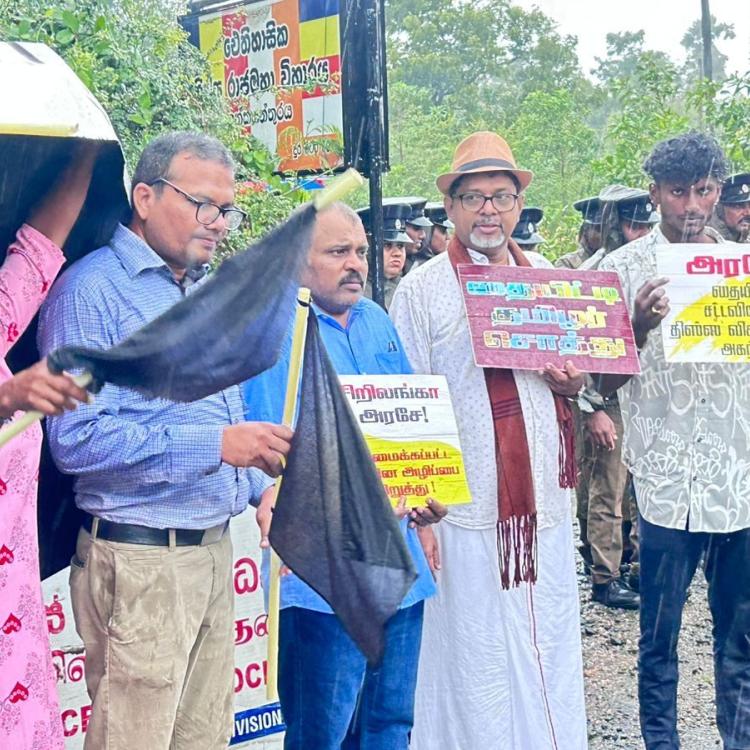
However, despite the scale of destruction faced by Hindu temples, mosques and churches particularly in plantation regions and across the North-East, there has not been a clear breakdown of funding allocations, timelines or implementation mechanisms. Nor have any reconstruction ceremonies for Hindu temples been publicly announced.
The launch of the programme through the Ministry of Buddhasasana, Religious and Cultural Affairs, and the Dissanayake's emphasis on strengthening “the connection between villages and temples,” only deepens structural bias.
Following floods and natural disasters, Tamils have repeatedly raised concerns that state assistance disproportionately favoured Buddhist institutions, while other religious sites were left dependent on private donations or diaspora funding.
Despite Dissanayake’s assertion that “all religious sites damaged by Cyclone Ditwah will be rebuilt while fully preserving their historical and cultural significance,” no independent oversight mechanism has been announced to ensure equitable reconstruction across religions.
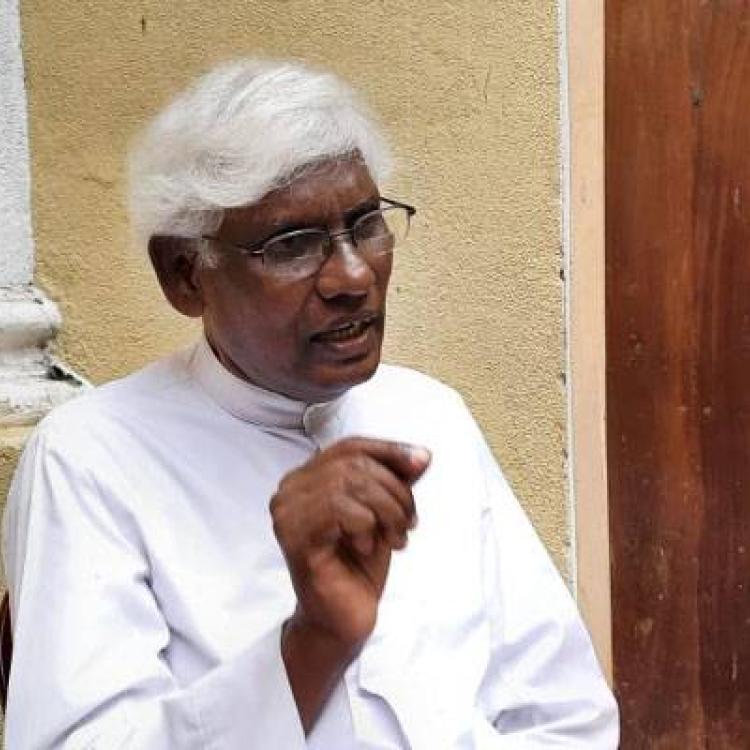
The event itself was overwhelmingly Buddhist in symbolism. Senior Buddhist monks delivered sermons, and the reconstruction ceremony centred on a vihara. While a Hindu priest, Venerable Siva Siri Selvam Kurukkal, delivered a religious discourse, his participation appeared largely symbolic, with no announcement of Hindu temple reconstruction projects or funding.
Minister of Buddhasasana Dr. Hiniduma Sunil Senevi claimed that the programme would restore religious sites representing “the four major religions,” noting that Doragala is home to Sinhala, Tamil and Muslim peoples. However, similar assurances have been made by successive governments, only to be undermined by discriminatory implementation.