Tamil parliamentarians have sharply criticised the Sri Lankan state for what they describe as a deliberate effort to erase Tamil history from the Sri Lankan curriculum, warning that the practice continues to deprive students of a truthful understanding of the island’s past.
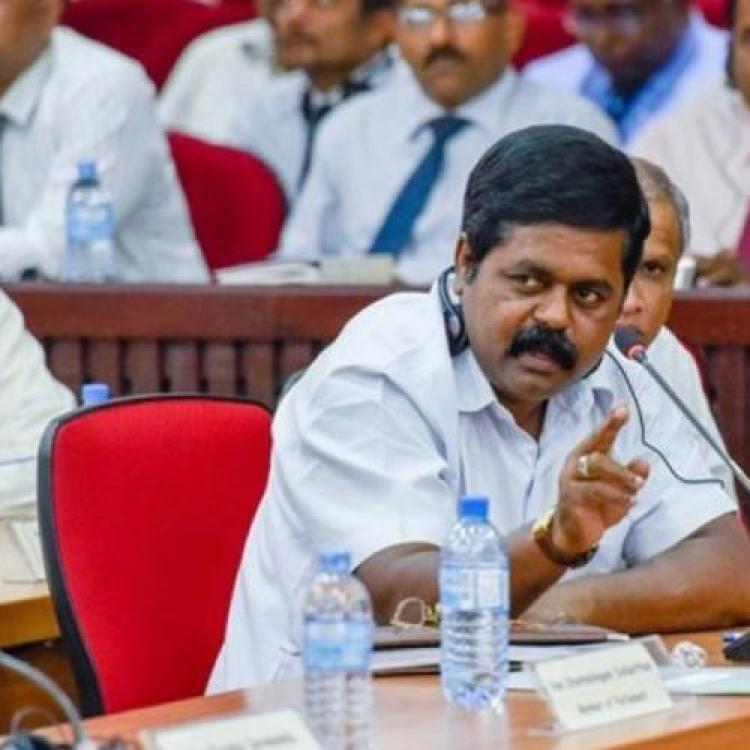
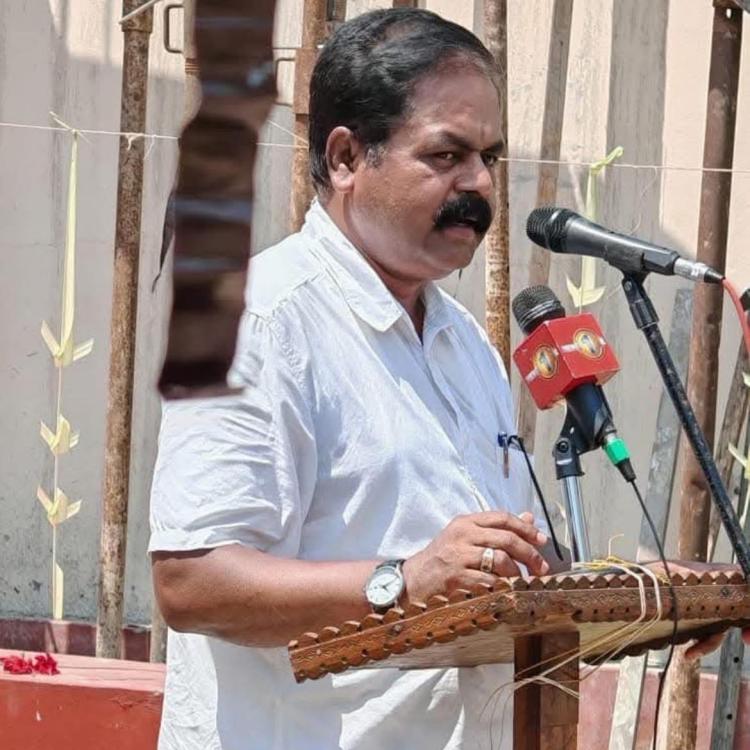
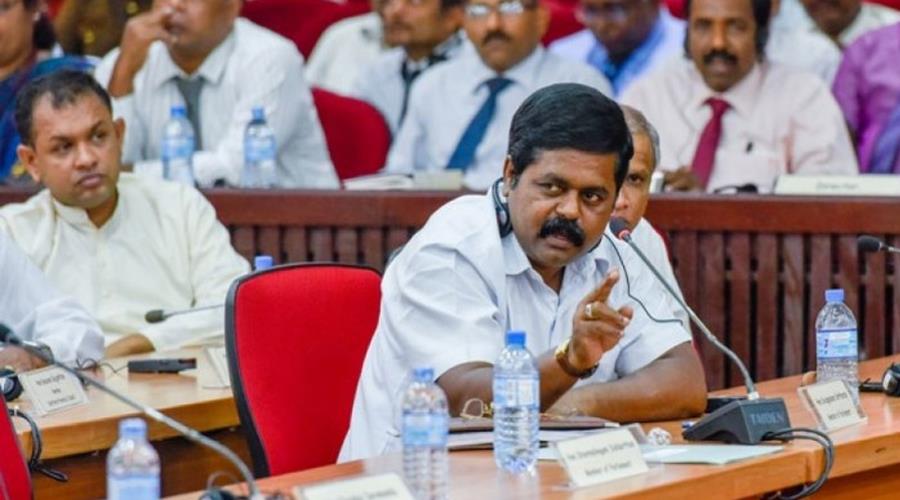
During a recent parliamentary session, Ilankai Tamil Arasu Katchi (ITAK) MP S. Shritharan said Tamil history had been systematically removed from subjects such as history and art. He noted that the names of Tamil kings, their royal insignia, inscriptions, and historical records had disappeared from textbooks following the launch of the state’s free textbook scheme in the 1980s, despite their inclusion in earlier Tamil-medium books during the 1970s.
Addressing the Sri Lankan Prime Minister and Education Minister Harini Amarasuriya, Shritharan reiterated that Tamils, like the Sinhala nation, are an indigenous people of the island with deep historical roots. He reminded parliament that from the time of Vijaya and his companions – a mythical Sinhala prince who arrived on the island after being banished from India - Tamils lived in Eelam as rulers, administrators, and leaders, a reality recorded from the Sinhala Buddhist religious text the Mahavamsa to modern scholarship.
He highlighted that Tamil resistance to colonial rule was well-documented, and that across the Tamil homeland, rulers such as Sankiliyan, Pandaravanniyan, Perarajasekaran and women leaders such as Nallanachchi fought decisive battles for the liberation of their lands. He also pointed to the contributions of prominent twentieth-century figures such as Arumuka Navalar, who strove to preserve Tamil culture and Saivism.
Shritharan said the intentional concealment of this history meant generations of students were being denied a comprehensive understanding of the island’s past. He pressed the government to clarify whether it recognised that the histories of Sankiliyan, Pandaravanniyan, Nallanachchi, Ellalan and others had been omitted on the pretext of conflict, and questioned if the curriculum would finally restore the history of Tamil kings who fought for liberation. He further asked whether Tamil royal insignia, inscriptions and palm-leaf manuscripts were being preserved.
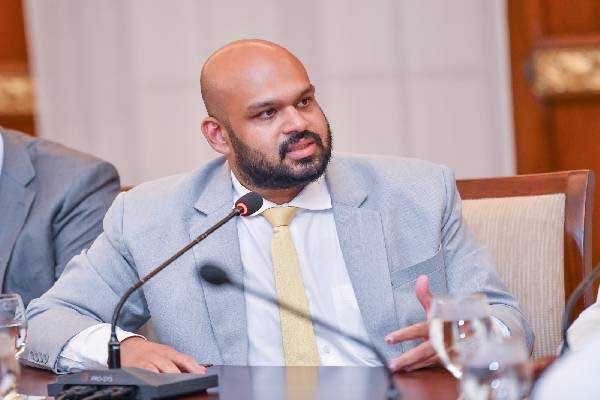
Echoing these concerns, MP Shanakiyan Rasamanickam insisted that teaching Tamil history must be made compulsory if Sri Lanka is to move towards a future in which every community can live with dignity. He said students of all ethnic backgrounds should learn Tamil history as part of creating equality among communities and building a more honest national narrative.
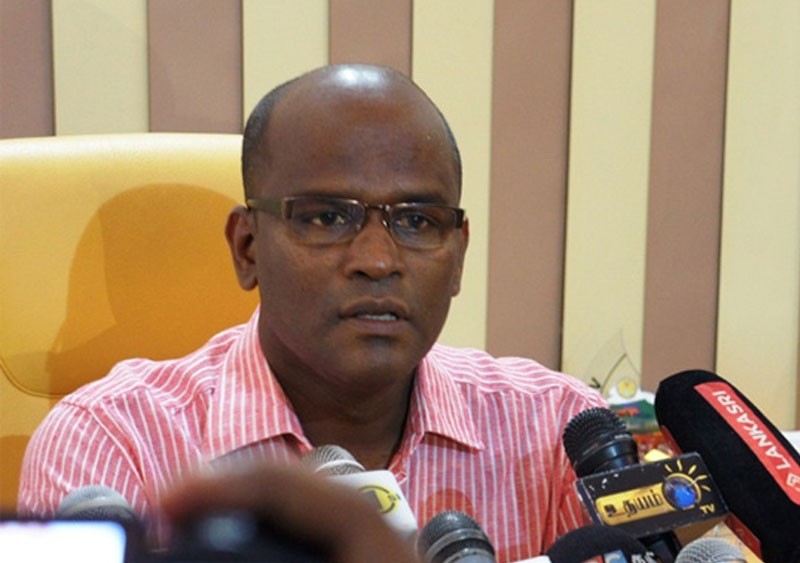
MP P. Sathiyalingam also voiced support for comprehensive educational reforms, saying the curriculum must respect the cultural and historical heritage of all peoples on the island.
Responding to the criticisms, Amarasuriya claimed, “History is not taught separately as Sinhala and Tamil. Instead, the subject is taught as Sri Lankan History, covering kings and kingdoms from various historical periods.”
Tamil parliamentarians argue that such statements obscure the reality that Tamil histories continue to be excluded, reinforcing a Sinhala-majoritarian framing of the island’s past and contributing to the ongoing erasure of the Tamil nation’s heritage.