
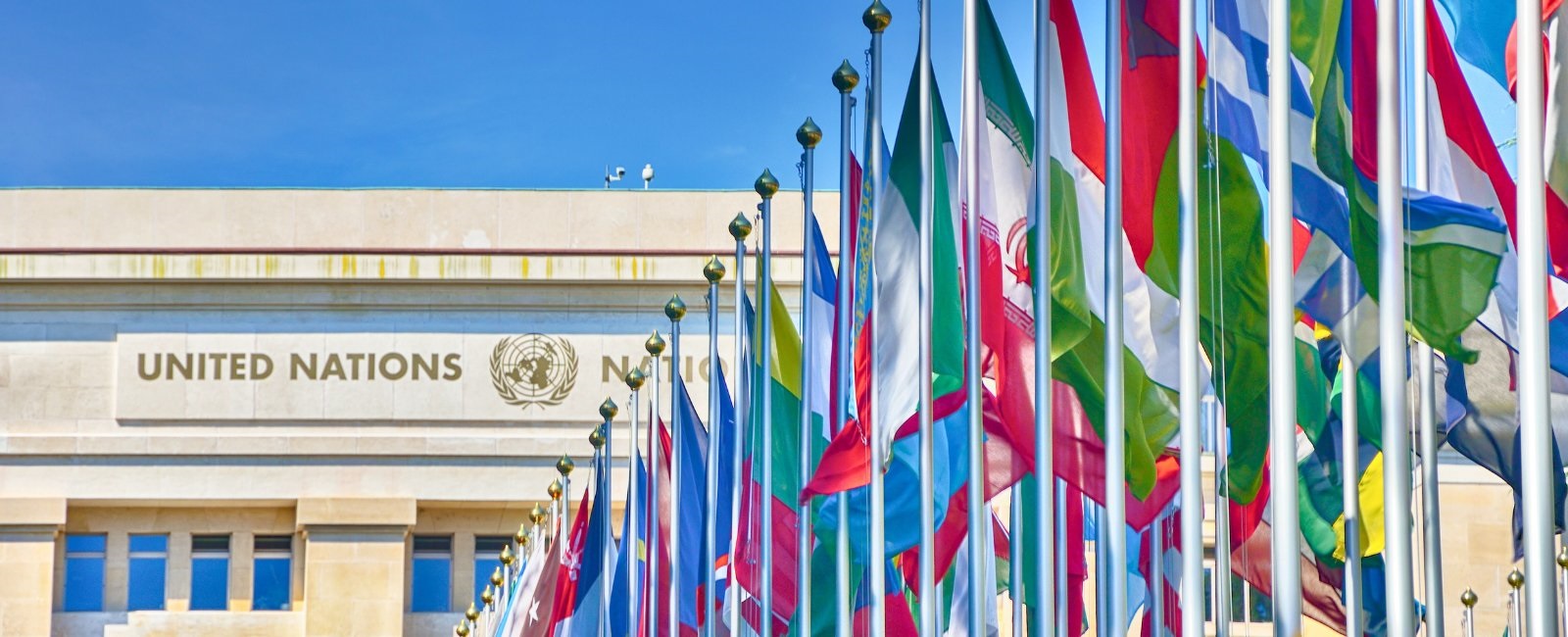
United Nations High Commissioner for Human Rights Volker Türk delivered his report on Sri Lanka to the 60th session of the Human Rights Council in Geneva on Monday, where he urged Colombo to take “decisive action” on accountability and reforms but stopped short of calling for a fully international accountability mechanism, despite decades of impunity.
Türk said Sri Lanka “has an historic opportunity to heal from the cycles of violence and impunity that have dominated for decades,” describing promises made by Anura Kumara Dissanayake’s administration as “a fresh direction on long-standing issues.” He lauded pledges of reform, including proposals for a Truth and Reconciliation Commission and the repeal of the Prevention of Terrorism Act (PTA).
Yet Tamil families of the disappeared and human rights defenders, who have long rejected domestic commissions as whitewash, warn that such endorsements only embolden Colombo’s strategy of delay and denial.
“My report calls for decisive action by the Government on justice and accountability, which are essential to forging a future of healing, reconciliation and sustainable peace,” he told delegates.
#SriLanka needs a clear roadmap for accountability and reform, @UNHumanRights chief @volker_turk told the @UN Human Rights Council.#HRC60 pic.twitter.com/FrkP56Ps6H
— UN Human Rights Council (@UN_HRC) September 8, 2025
During his recent visit to the island, Türk said he met relatives searching for loved ones at the Chemmani mass grave in Jaffna. Excavations at the site have uncovered hundreds of skeletal remains, including children, piled bodies and evidence of bound victims.
“Independent, transparent and credible investigations are critical to restoring trust,” Türk told the Council, even as Sri Lanka continues to refuse any international involvement.
The High Commissioner acknowledged that arbitrary arrests under the PTA continue despite pledges to repeal it, and that human rights defenders, journalists and families of the disappeared face persistent harassment. He noted that systemic torture, deaths in custody and sexual violence remain entrenched.
The High Commissioner called for a “formal acknowledgment of violations and abuses, including during the civil war,” stressing that victims “need the State and its security forces to accept responsibility and recognize the lasting impact of violations and crimes committed by them.”
His report highlighted conflict-related sexual violence, systemic torture and deaths in custody, and the persistence of enforced disappearances. “Impunity can be a second form of violence that perpetuates cycles of harm,” he noted.
But instead of demanding an international tribunal or insisting on referral to the International Criminal Court as victims have called for, Türk repeated calls for Colombo to deliver a “time-bound plan” for domestic accountability.
Türk praised what he called Sri Lanka’s “increased space for memorialisation” and cited government gestures towards inclusivity, including recognition of the Malaiyahar Tamil community. He welcomed proposed reforms such as an independent prosecutor’s office and anti-corruption measures, even as militarisation and land seizures continue across the North-East.
His report also focused on the island’s economic crisis, urging creditors to provide “fiscal space” and calling for a “human rights economy” to protect the most vulnerable.
The High Commissioner did reference the UN’s Sri Lanka Accountability Project, which has collected over 105,000 pieces of evidence, and urged states to pursue prosecutions under universal jurisdiction. He also encouraged “further sanctions against people credibly accused of gross violations of human rights.” But he stopped short of demanding stronger measures such as an ICC referral.
Instead, Türk appealed to the Council to “support Sri Lanka’s own domestic processes,” a stance that Tamils say has repeatedly failed them.