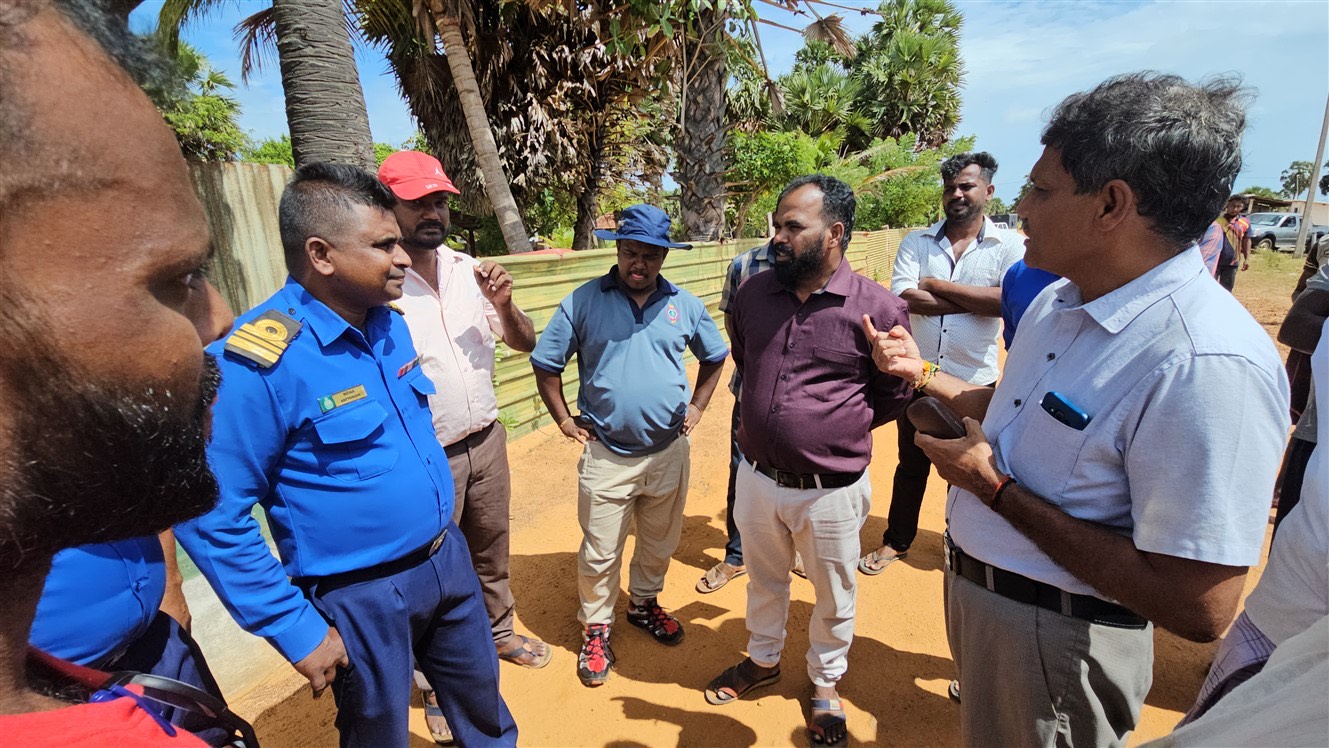
Residents of Silavaththai in Mullaitivu’s Maritimepattu division have successfully halted a land survey intended to formalise the acquisition of private land currently occupied by the Sri Lankan Navy.
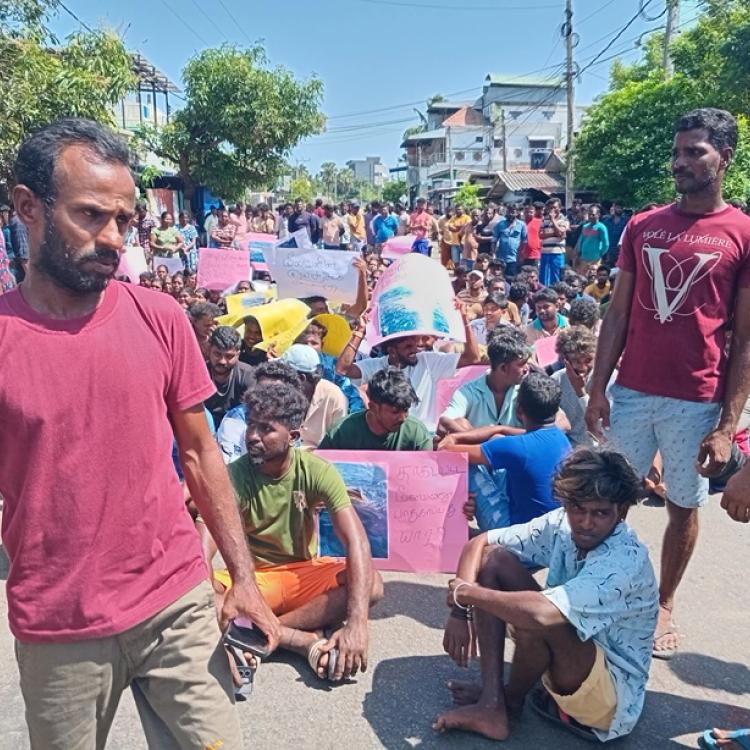
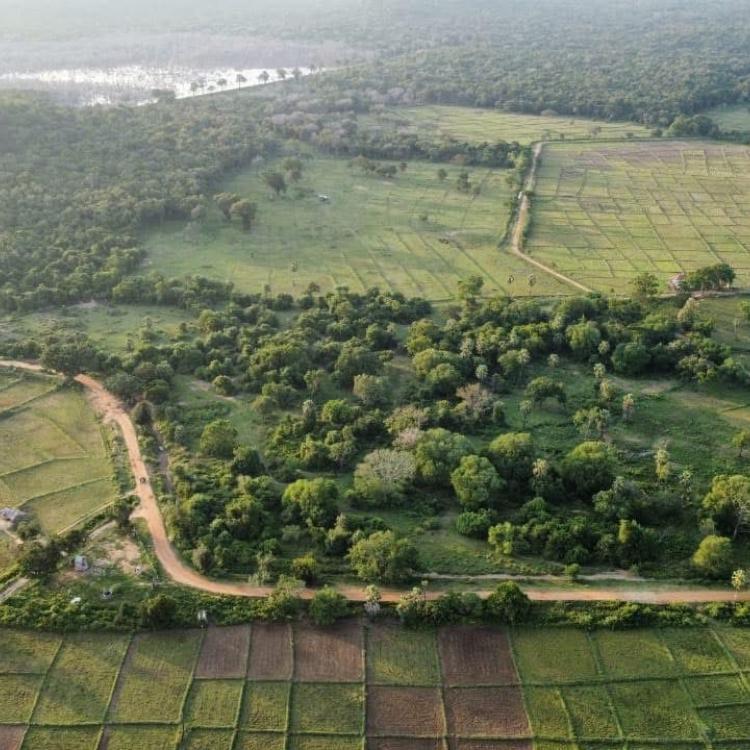
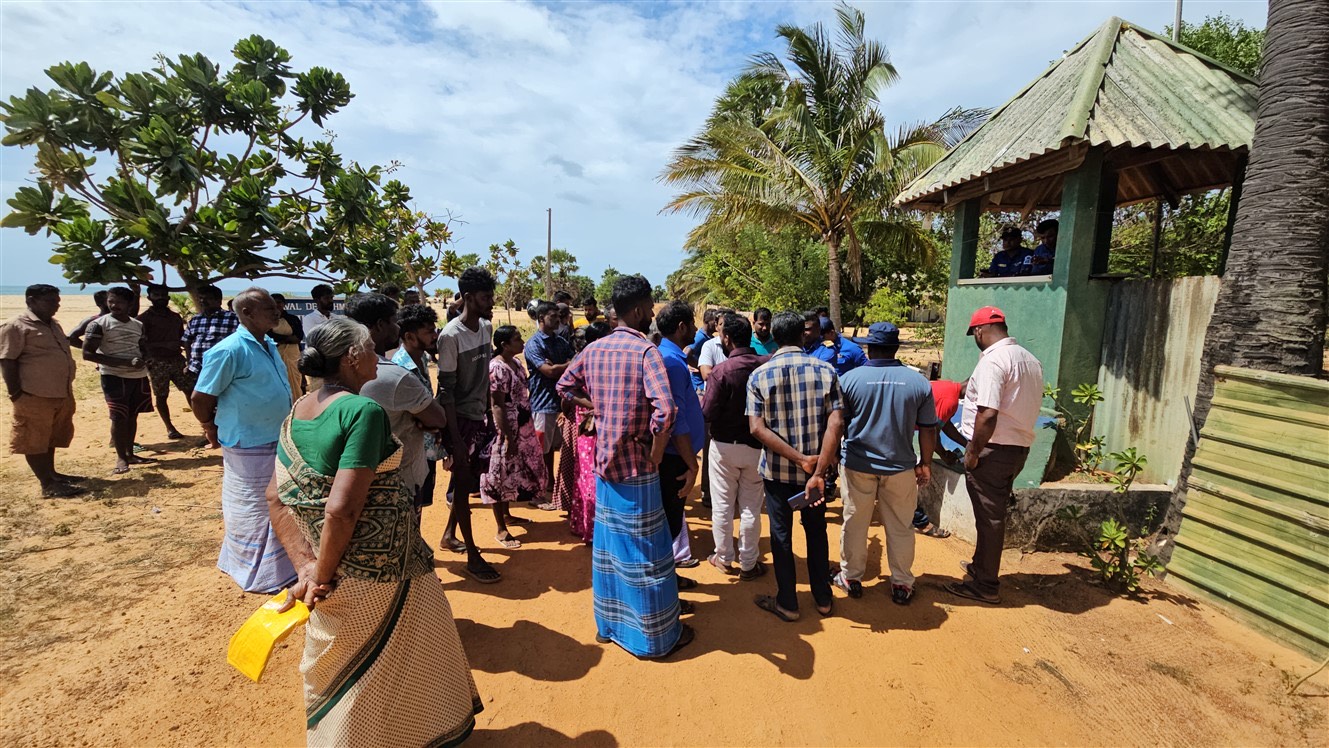
Last week, a team including officials from the Survey Department and the Maritimepattu Divisional Secretariat arrived in the village to carry out measurements on a two-acre plot where a Navy camp has stood since the end of the armed conflict in 2009. However, the process was suspended after local landowners and residents gathered at the site and voiced strong objections.
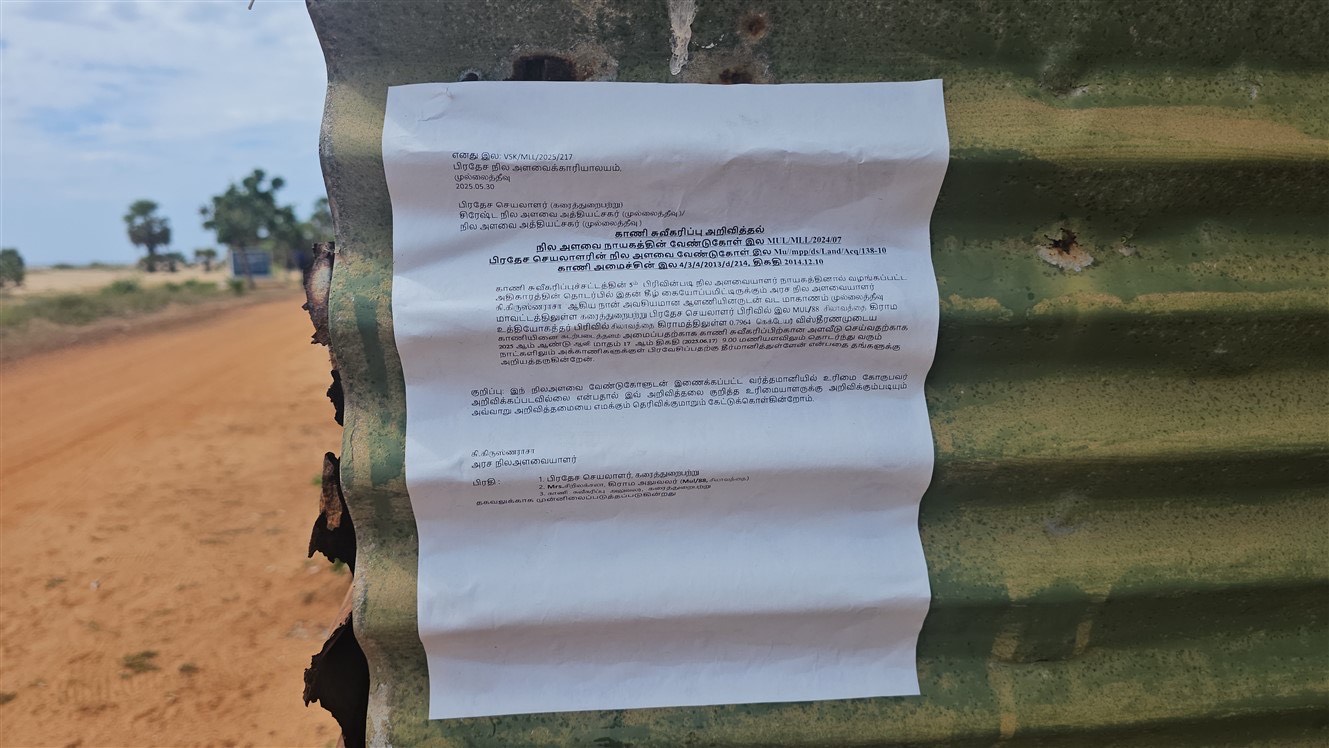
The planned acquisition falls under Section 5 of Sri Lanka’s Land Acquisition Act (Chapter 460), according to Survey Department official K. Krishnarajah, who confirmed that the land falls within the Silavaththai Grama Sevaka Division.
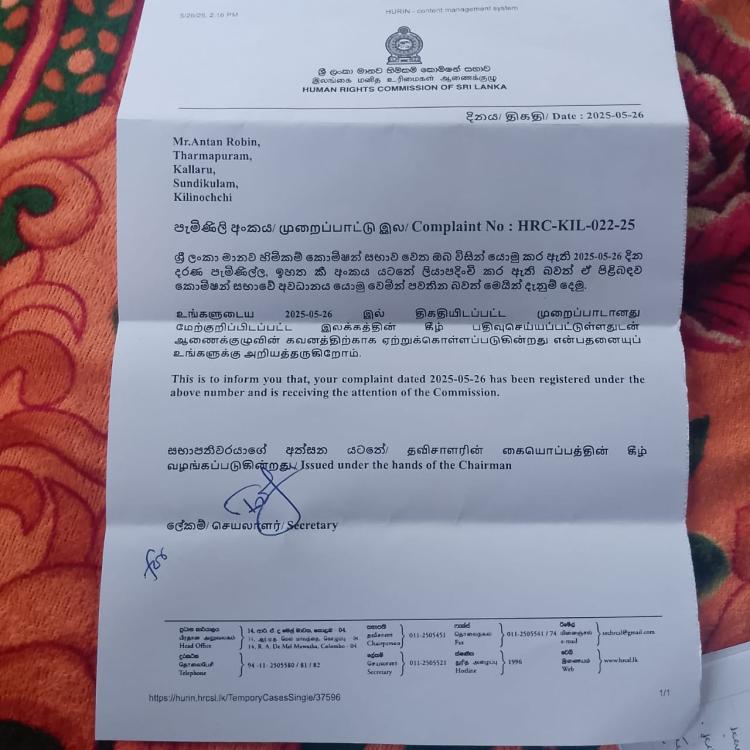
Letters had reportedly already been sent by the Divisional Secretariat to the landowners, notifying them of the state’s intention to acquire the land.
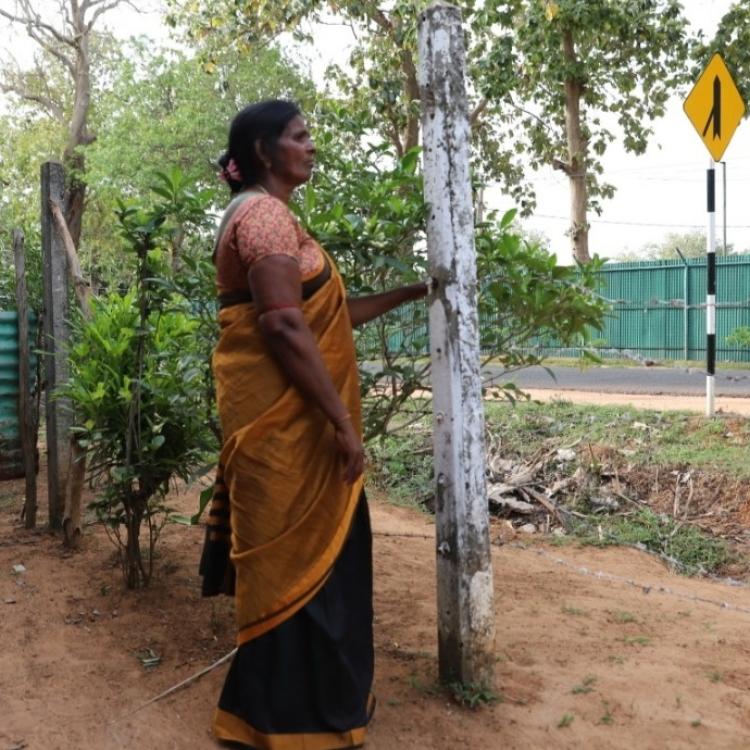
According to residents, the disputed land - approximately 0.7964 hectares - has been privately owned by four individuals since 1981. The owners said their original legal documents were lost in the 2004 tsunami, and despite repeated requests, no replacement deeds have been issued to date. Despite multiple appeals to the Mullaitivu District Secretariat to reclaim the land, residents say no meaningful action has been taken.
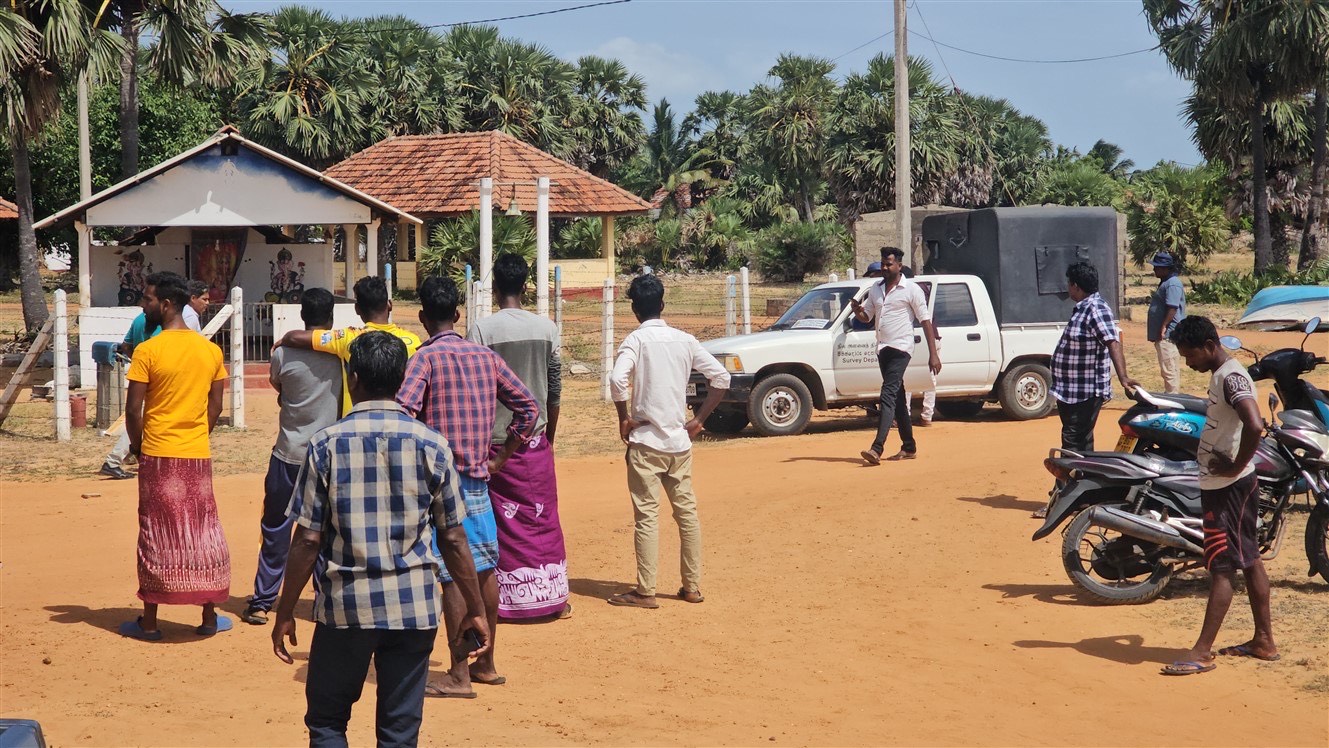
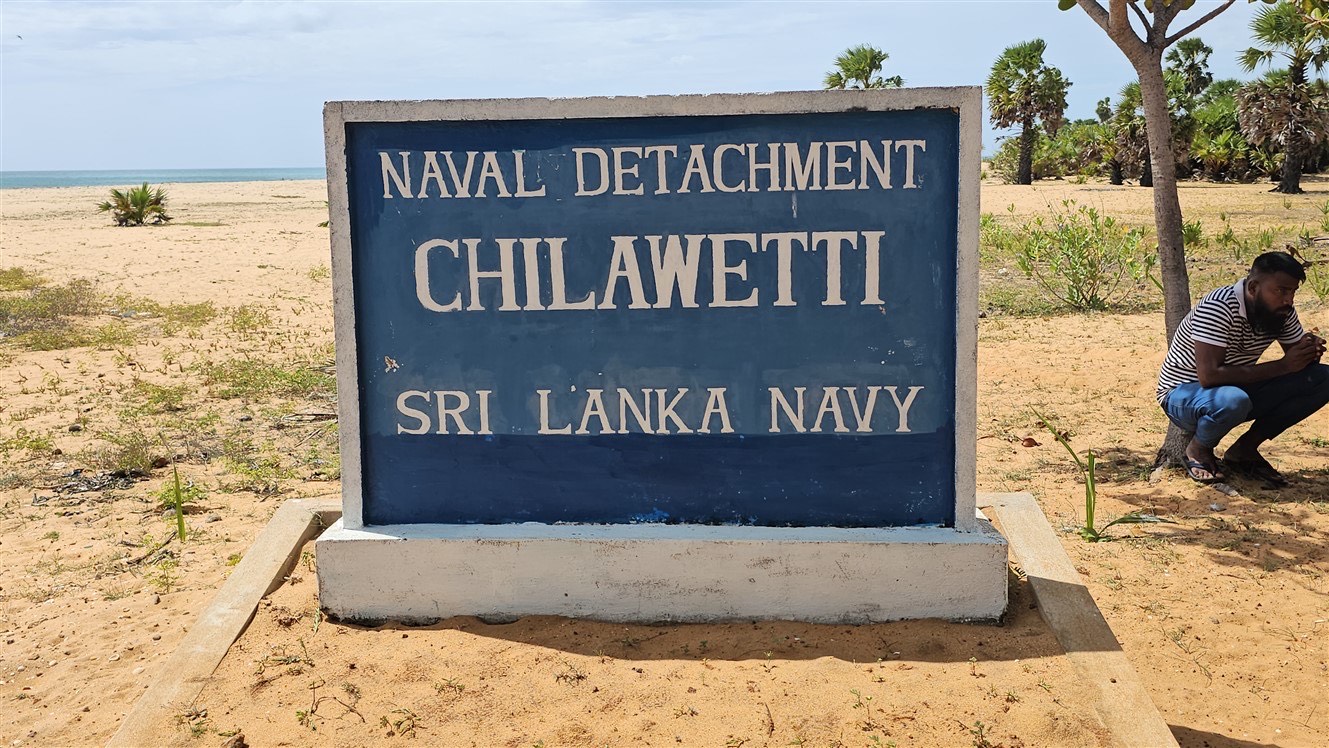
Local community members argue that the Navy has no legitimate claim to the land, which they have occupied without compensation or formal consent for over 16 years. As the surveying began, residents assembled and demanded an immediate halt to the process. Officials were eventually forced to withdraw.
The incident reflects ongoing tensions across the Tamil homeland, where the military continues to occupy large swathes of civilian land more than 16 years after the end of the armed conflict. Mullaitivu, in particular, has been a focal point of land disputes, with residents frequently reporting surveillance, harassment, and threats for challenging military encroachments.
While Sri Lankan authorities have made periodic promises to return land, progress has been slow, inconsistent, and often obstructed by attempts to legalise state or military control.