.jpeg)
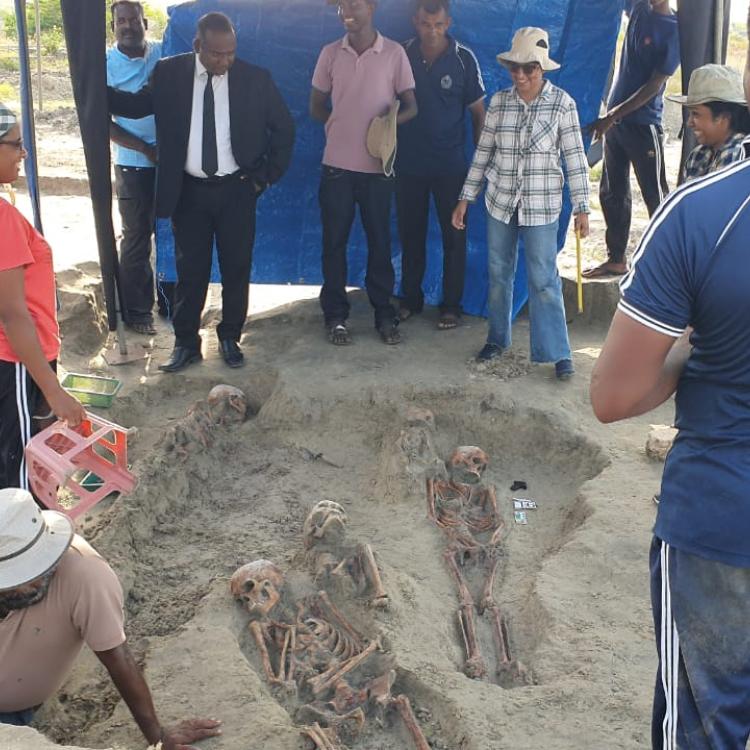
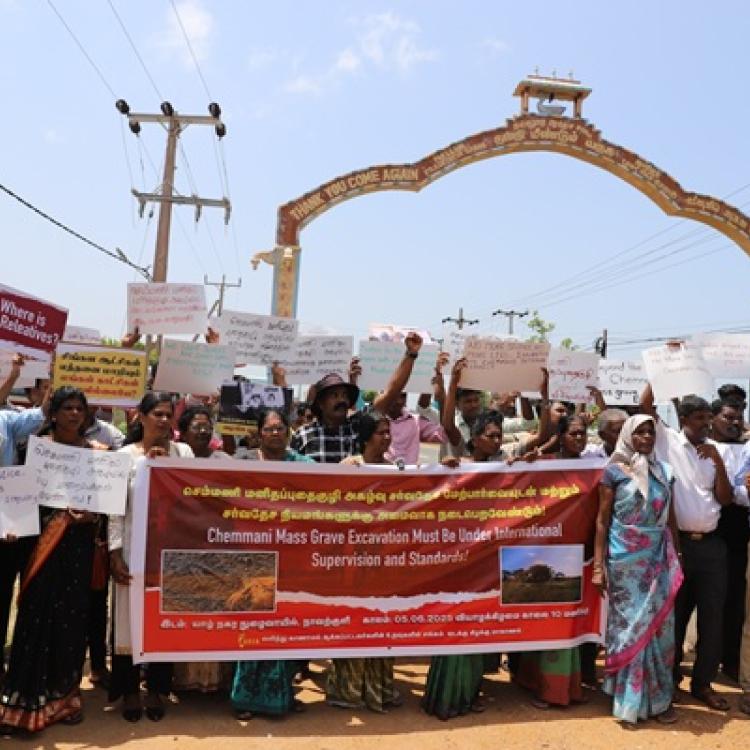
Amnesty International has urged Sri Lankan authorities to ensure transparency, adequate resourcing, and international standards in the ongoing excavations at the Chemmani-Sindubathi mass grave site in Jaffna, warning that without proper oversight, the process risks failing victims and survivors once again.
In a statement released on social media, Amnesty International South Asia noted that the latest phase of excavation at what is believed to be a second Chemmani mass grave “could be an important step towards delivering truth and justice to the victims and families,” but stressed this would only be possible if “the excavation process is carried out in line with relevant international standards.”
The human rights organisation called on Sri Lankan officials to meet three core requirements: allocating sufficient funds and resources to complete the excavation process; ensuring the process is transparent, with access for victims’ families and the media; and taking all necessary steps to guarantee the integrity and protection of the site.
The Chemmani mass graves, which first came to international attention in 1998 following testimony from a Sri Lankan soldier regarding mass graves containing the bodies of Tamils killed in custody, has long been associated with unresolved wartime atrocities.
In recent weeks, 19 skeletal assemblages were unearthed at the Sindubathi Hindu cremation grounds – a separate mass grave site unearthed earlier this year, with further excavations scheduled to continue later this month. The Jaffna Magistrate’s Court formally recognised the site as a mass grave last week and granted a 45-day extension for the next phase of forensic work.
Local human rights groups, including Tamil families of the disappeared, have also called for international monitoring of the exhumations, citing decades of impunity and failures to investigate previous mass grave discoveries.