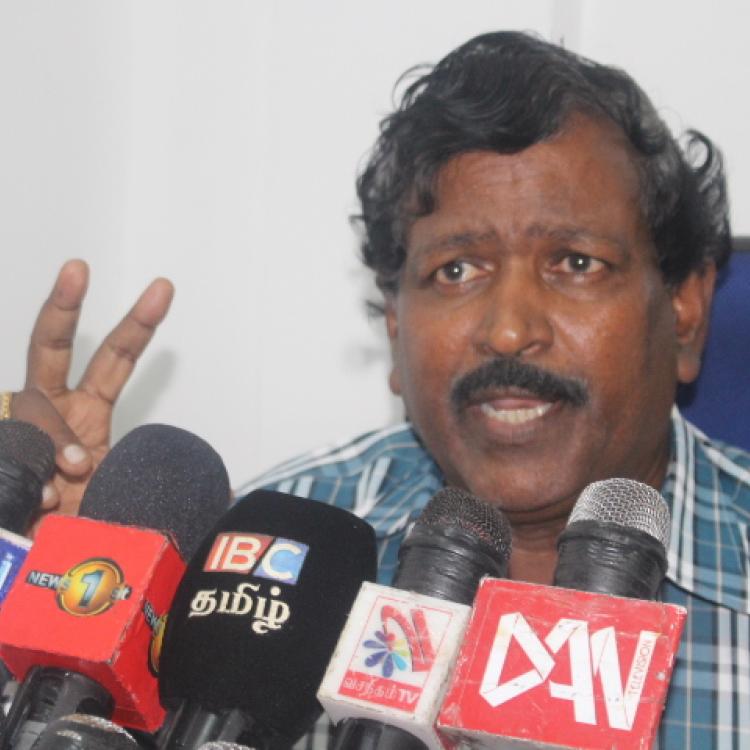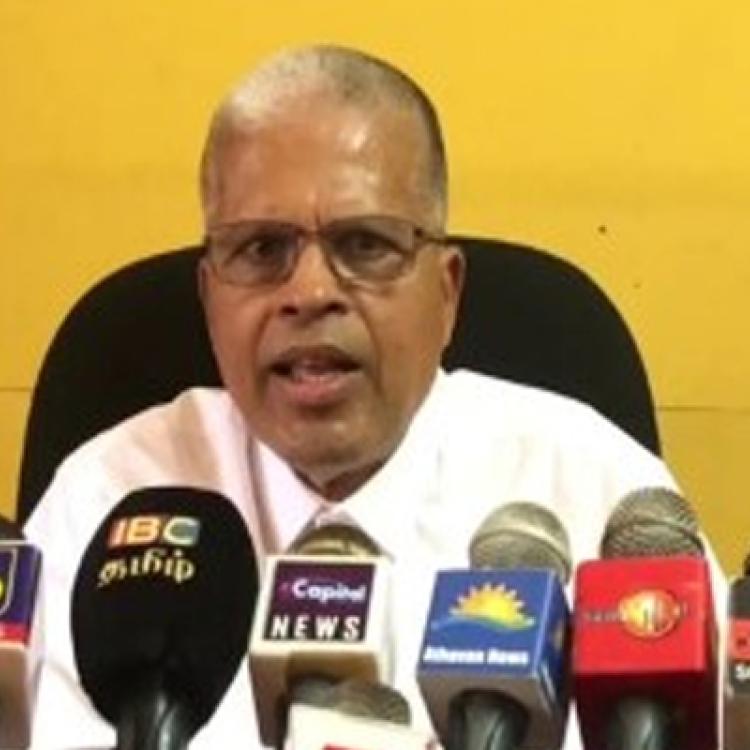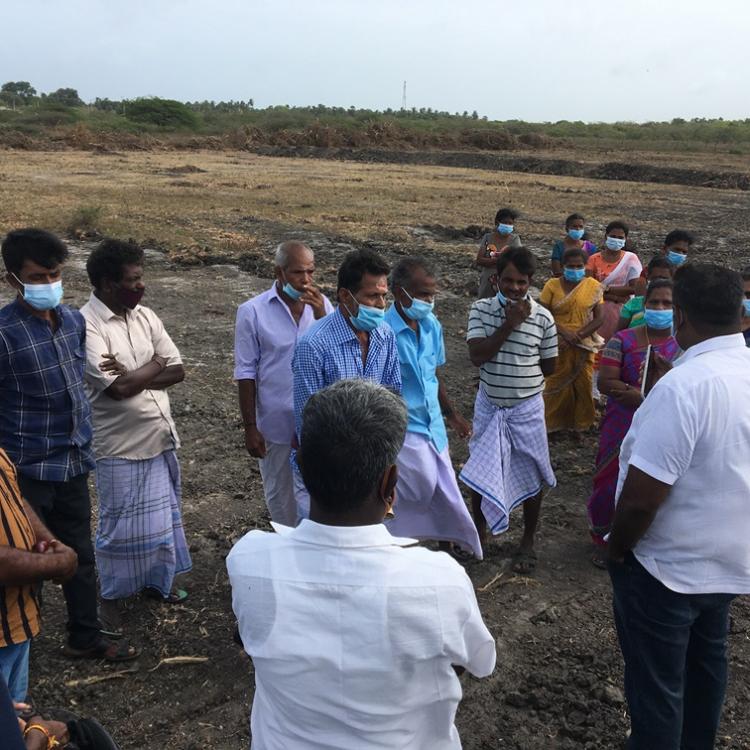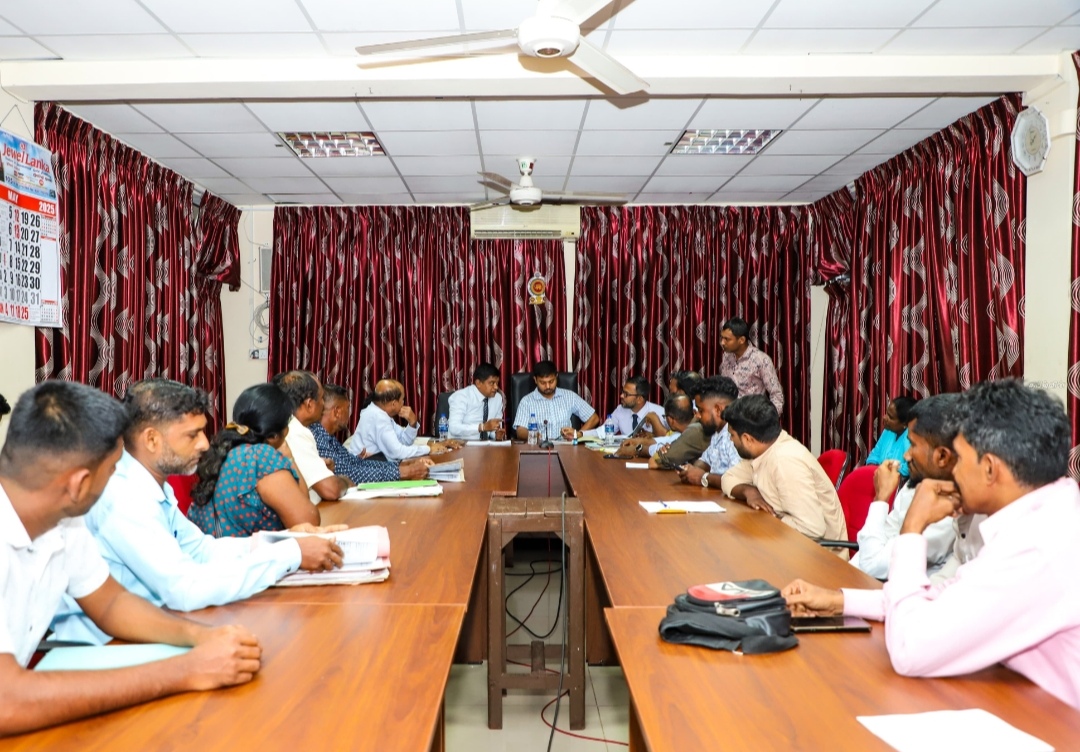
A public meeting was held on 26 May 2025 at the auxiliary conference hall in Kuchchaveli, Trincomalee, to address the growing controversy surrounding land designated as “Pooja Bhoomi”, a term often associated with sites earmarked for Buddhist religious use in the Tamil homeland.
The meeting saw the attendance of Arun Hemachandra, Chairman of the Trincomalee District Coordinating Committee and Sri Lanka’s Deputy Minister of Foreign Affairs and Foreign Employment, alongside local administrative authorities and residents concerned about the future of disputed lands in the Kuchchaveli Divisional Secretariat.
Among the officials present were Trincomalee District Secretary W.G.M. Hemanta Kumar, Kuchchaveli Divisional Secretary Siyavul Haq, Field Education Officer Navaseelan, and District Secretariat Administrative Officer S.R.K.S. Kurukulasuriya. A significant number of local Tamil residents from Kuchchaveli also attended to express their anxieties and opposition to potential land grabs under religious pretexts, reports TamilWin.
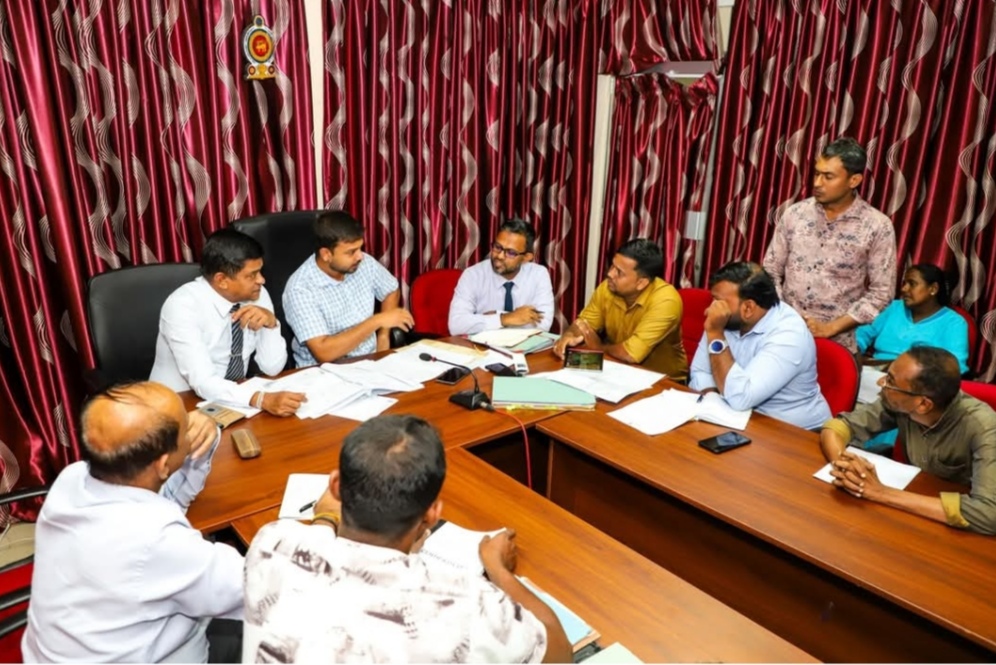
The lands at the heart of the dispute have been reportedly classified as “Pooja Bhoomi,” which many Tamil residents fear may be used as a pretext for Sinhala-Buddhist encroachment into historically Tamil and Muslim lands. Such concerns are not new. Tamil civil society organisations have long warned of the state-facilitated Buddhisisation of the North-East, often carried out through land acquisition disguised as archaeological preservation or religious development.
This latest development follows a pattern of Buddhist structures being constructed in Tamil-majority areas, frequently backed by the Sri Lankan military and Department of Archaeology. Recent reports from across the North-East, including in Mullaitivu, Amparai, and Trincomalee itself, have documented the erection of Buddha statues, hoisting of Buddhist flags, and the declaration of “sacred” zones on Tamil ancestral lands.
This meeting comes amid broader resistance to state land acquisition across the Tamil homeland. Just days earlier, the Sri Lankan government was forced to revoke a controversial gazette that aimed to appropriate over 5,900 acres of land across the North-East, including in Mullivaikkal, following political pressure and widespread condemnation.