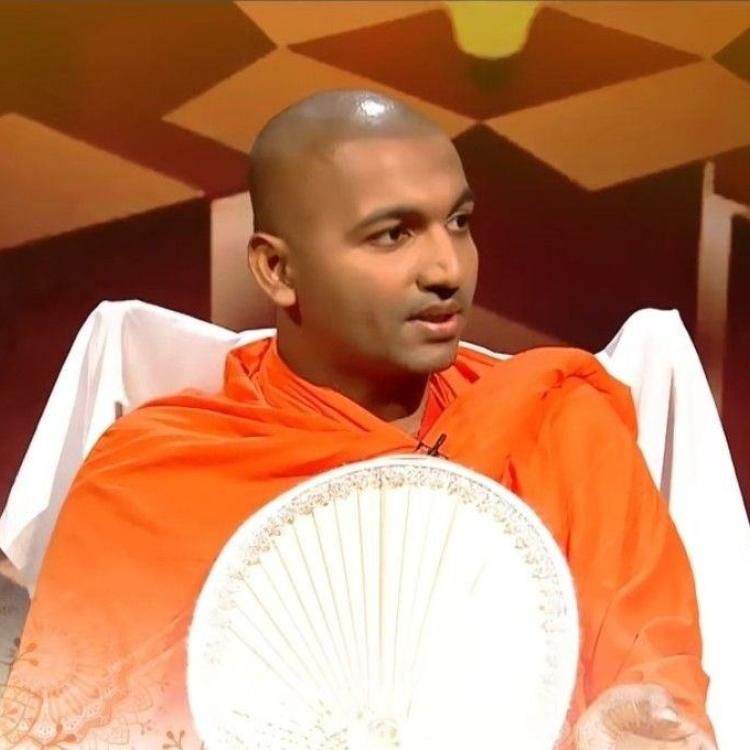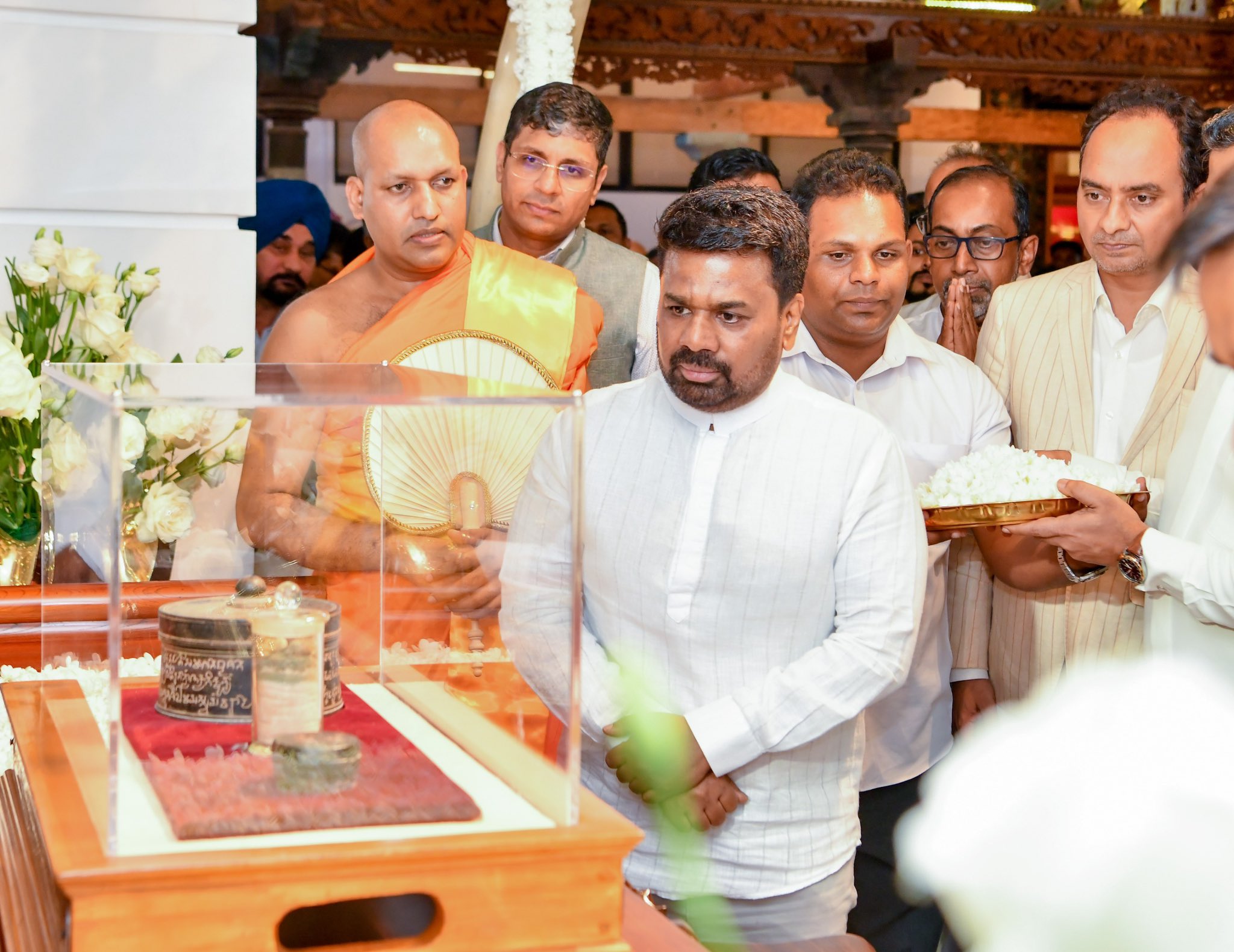
Sri Lanka received the Holy Devnimori Relics of Lord Buddha from India at the Gangaramaya Temple in Colombo this week, opening an exposition, which coincided with Sri Lanka’s 'Independence Day’.
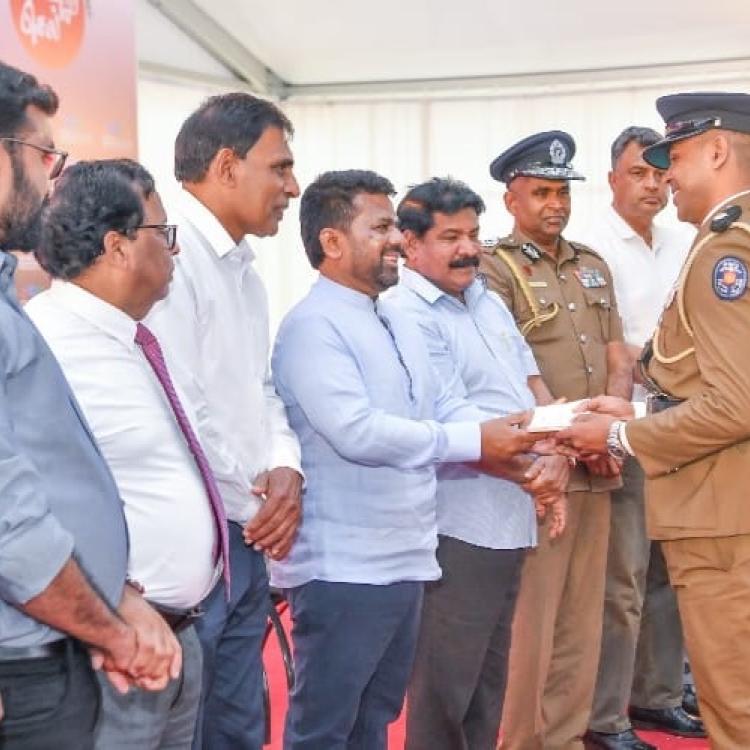
Sri Lankan President Anura Kumara Dissanayake inaugurated the exposition alongside Shri Acharya Devvrat, Governor of Gujarat, and Shri Harsh Sanghavi, Deputy Chief Minister of Gujarat.
“Respectfully welcome the Sacred Relics of the Buddha to Sri Lanka today for public veneration until the 11th at Hunupitiya Gangaramaya Temple. I deeply appreciate PM @narendramodi and the Government of India for honouring their promise and enabling this sacred exposition,” said Dissanayake in a post on X to mark the occasion.
Indian Prime Minister Narendra Modi expressed his gratitude to Dissanayake and responded on X: “Our nations are connected by deep civilisational and spiritual bonds. May Lord Buddha’s timeless message of compassion, peace and harmony continue to guide humanity.”
The exposition follows an announcement made by Prime Minister Modi during his visit to the island in April 2025, according to a statement by the High Commission of India in Colombo.
“This sacred journey underscores India’s enduring civilizational responsibility as the birthplace of Buddhism and reaffirms the deep spiritual, cultural and people-to-people bonds between India and Sri Lanka,” India’s Ministry of Culture declared in a statement ahead of the exposition.
“In a nation where Buddhism shapes cultural ethos, history and daily life, the exposition is expected to resonate deeply with devotees across Sri Lanka and further reinforce the shared Buddhist heritage of the two countries,” the statement continued.
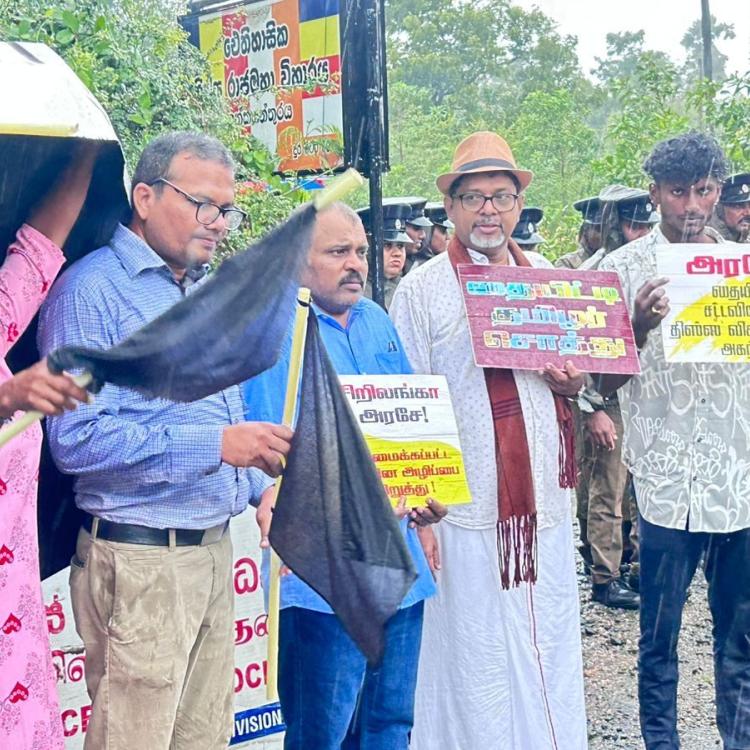
While India and Sri Lanka marked this occasion of cultural diplomacy, Tamils on the island continue to resist state-backed Sinhala Buddhist colonisation. For example, Tamil residents in Thaiyiddy, Jaffna, continue to protest against a Buddhist temple that has been built illegally.
In the North-East, the Sri Lankan government continues to construct Buddhist structures as part of its broader objectives of Buddhist expansion and Sinhalisation in predominantly Tamil areas.