.jpg)
Construction work has begun to dismantle the severely damaged bridge on the Paranthan–Karaichi–Mullaitivu A35 road to make way for a temporary iron Bailey bridge, as part of India’s ongoing disaster support following Cyclone Ditwah.
Large sections of the island’s road network, including village access routes and major arterial roads, were washed away or rendered impassable by flooding. The destruction has severely hampered the delivery of humanitarian assistance to affected areas, delaying food distribution, medical access and recovery operations.
.jpg)
To address this, India has deployed engineering teams along with prefabricated bridge components to install Bailey bridges at strategic locations where permanent structures were destroyed. These temporary iron bridges are designed to allow the rapid restoration of road connectivity for relief vehicles and civilian transport.
In this context, Indian engineers have now begun work on replacing the damaged bridge along the A35 road linking Paranthan and Mullaitivu, a crucial route for movement between the interior Vanni region and the eastern coastline. They are currently working alongside Sri Lankan army engineers.
.jpg)
.jpg)
The Indian High Commission in Colombo described the construction effort as “another step toward restoring vital connectivity for affected communities”.
The A35 route is expected to play an essential role in enabling relief convoys, medical transfers and the movement of displaced families as long-term reconstruction remains underway across the flood-affected districts of the Tamil homeland.
.jpg)
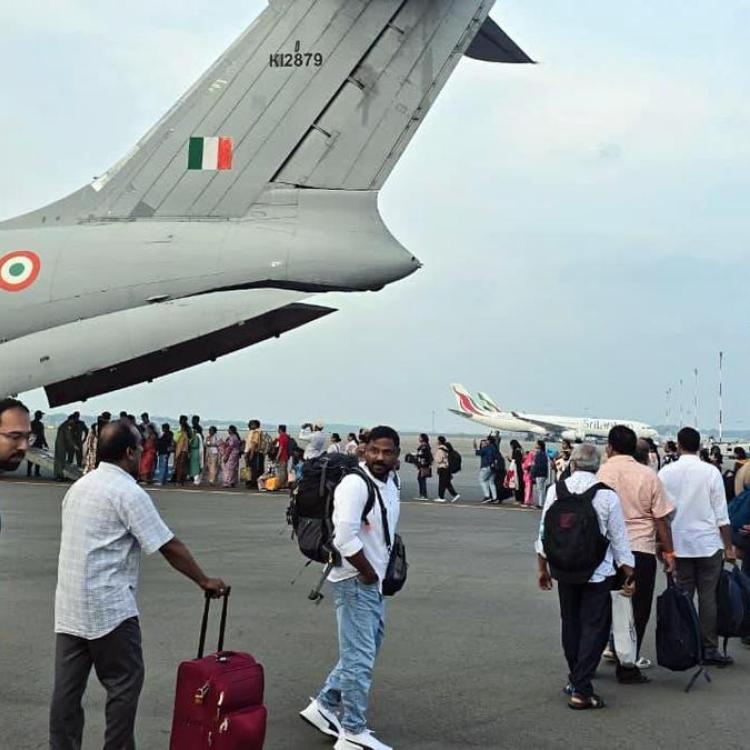
India, which was among the first countries to respond following the disaster, has continued to extend support under what it has termed ‘Operation Sagar Bandhu’. This assistance has included emergency relief supplies, the deployment of rescue personnel, medical support and now engineering assistance.
The cyclone, which triggered devastating floods and landslides across the island, has claimed hundreds of lives and displaced vast numbers of people, with the North-East among the worst affected regions. Homes, livelihoods and critical infrastructure have suffered extensive destruction, leaving many isolated and struggling to access essential services.