Sri Lanka’s Coast Conservation and Coastal Resource Management Department (CC&CRM) and police force have issued detailed clarifications on the controversial installation of a Buddha statue in Trincomalee, stating that the incident was rooted in persistent violations of coastal regulations rather than a religious dispute.
According to the CC & CRM department, the temple’s chief incumbent was granted a temporary licence for a small welfare kiosk of roughly 127 square feet, valid only until mid-2024. Inspections later revealed that the permit had been misused and that the site had been turned into a sizeable commercial operation made up of several unauthorised huts and pavilions erected on the coastal reservation.
Officials said these structures were far larger than the approved footprint and had been built illegally on environmentally sensitive coastal land. A court order had been secured to remove the unauthorised constructions, which the department said posed a risk to the shoreline.
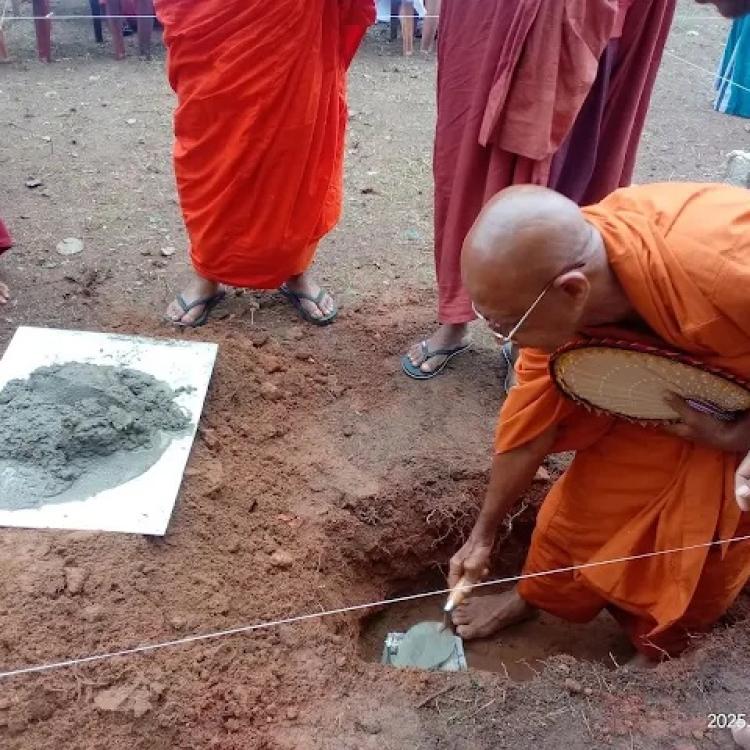
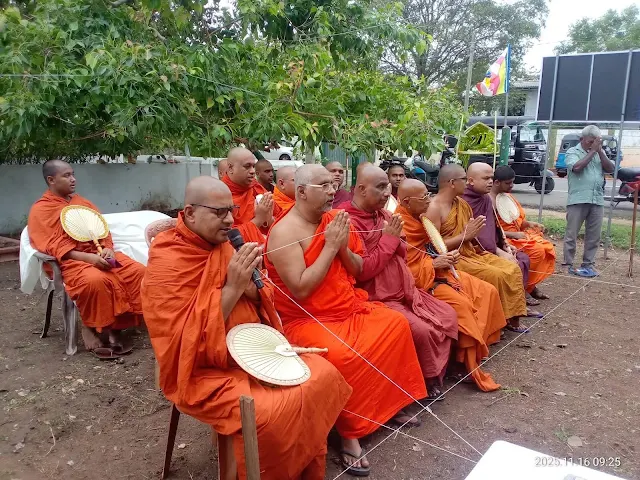
Preparations were underway to carry out the demolition, with police assistance, when a new temporary religious enclosure containing a Buddha statue was abruptly placed at the site.
The CC&CRM described the sudden installation of the statue as an attempt to obstruct the enforcement order and to shift attention away from the illegal commercial activity. It insisted that all actions taken were based strictly on legal requirements and court directives, and were not influenced by religious or political considerations.
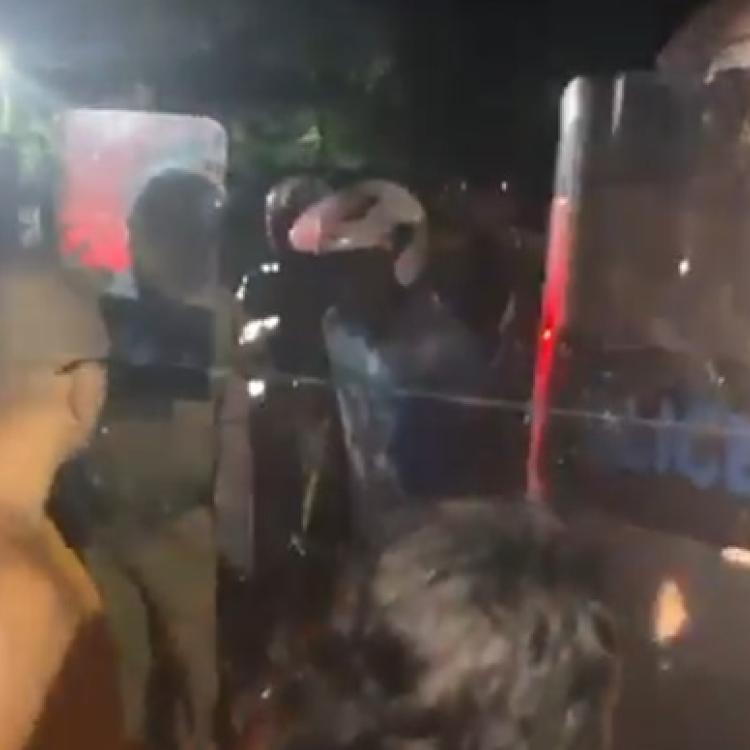
Sri Lanka Police also released a statement addressing footage circulating online that showed a commotion during the statue’s placement. Police confirmed that the CC&CRM had filed a complaint on 16 November regarding an unauthorised hut being constructed to house a Buddha statue on the coastal reserve near Trincomalee town. Officers had instructed that construction be halted, but work continued despite written warnings issued in October by the Ministry of Environment to the temple’s chief monk.
Citing concerns that the statue could be deliberately damaged and that such an incident could disrupt the province’s stability, officers removed the statue from the site and took it into police custody for safekeeping.
According to the police account, a gathered crowd became agitated during the removal, though officers managed the situation and “no harm occurred to the public or any religious figures”.
The clash over the site has unfolded against a broader backdrop of concern in the Tamil homeland, where Sri Lankan state institutions, including the archaeological authorities, have repeatedly been used to legitimise new Buddhist structures in areas with clear Tamil and Muslim demographic histories.
Local civil society groups say the events in Trincomalee fit into a long pattern of state-enabled Buddhisisation that has accelerated since the end of the armed conflict in 2009.