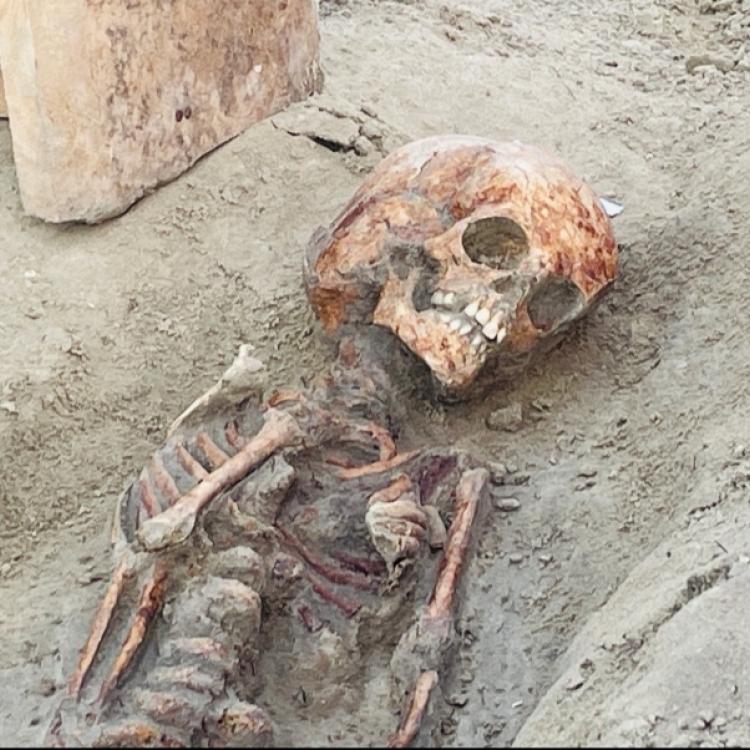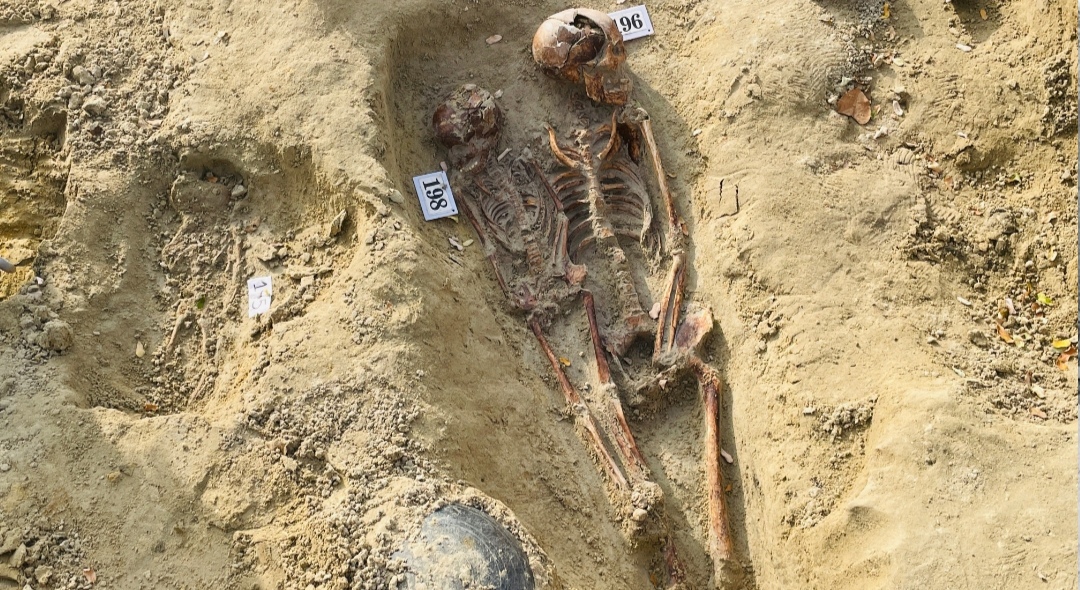
Sri Lanka’s Human Rights Commission (HRCSL) has issued a warning on the ongoing investigation into the Chemmani mass grave in Jaffna, stating there is a “reasonable likelihood” that the burials were unlawful and the result of extrajudicial killings.
The Commission conducted a fact-finding mission at the site earlier in August to observe excavations and meet with investigators, judicial officials, forensic experts, and family members of the disappeared. More than 200 human remains have so far been uncovered from the site, which first came to light in 1998 after a Sri Lankan soldier confessed that hundreds of Tamils killed by the military were secretly buried there.
The HRCSL reported that over 90% of the human remains uncovered had no clothing, while some bodies were found in extreme proximity to each other in shallow graves. These factors, it said, indicated a “reasonable likelihood” that the site contained victims of extrajudicial executions.
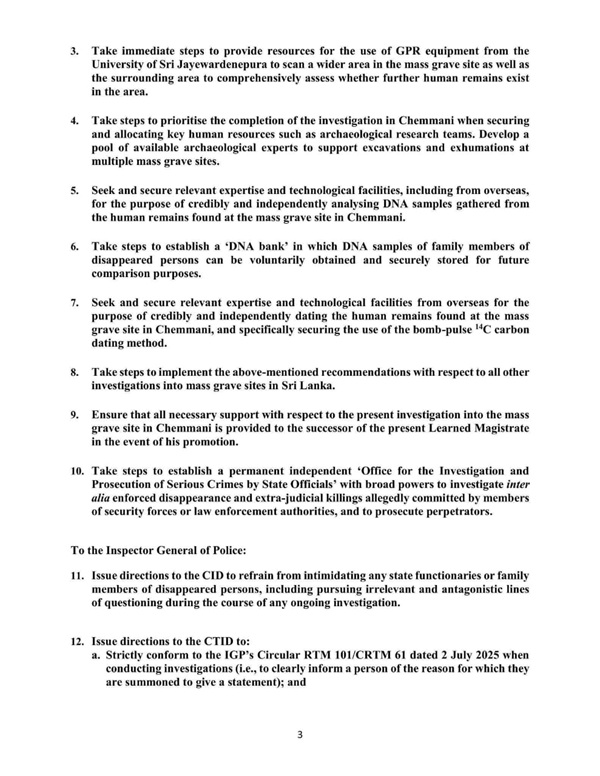
The Commission also noted major gaps in forensic expertise and technology, including the lack of local specialists in forensic anthropology and archaeology, inadequate facilities for accurate carbon dating, and the absence of accessible labs to analyse DNA samples. It concluded that overseas expertise would be required to ensure credible investigation.
The report further highlighted disturbing accounts of CID officers intimidating participants involved in the exhumation and excavation, warning that police involvement risked prejudicing the entire process.
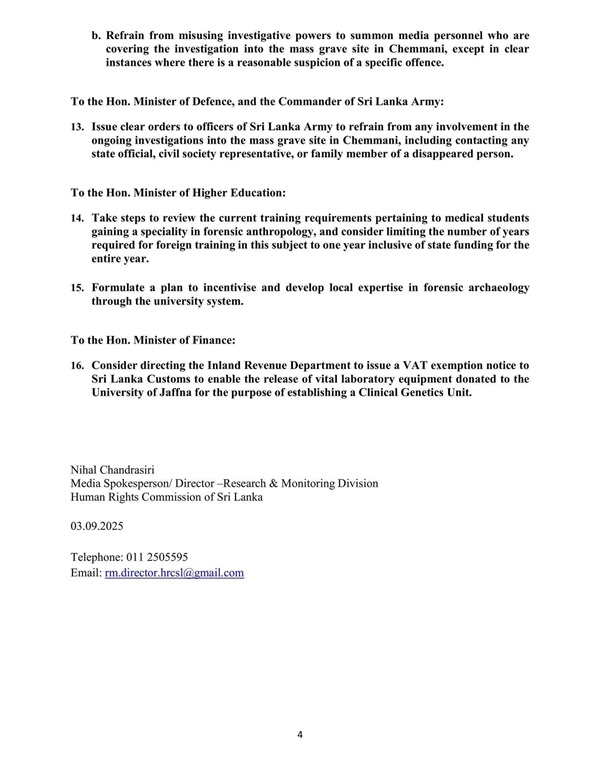
It also flagged the case of Tamil journalist Kumaran Kanapathippillai, who was summoned by the Counter Terrorism Investigation Division (CTID) while covering the investigation. The HRCSL noted this raised “serious concerns” and would have a chilling effect on press freedom.
The Commission has called for measures to protect the integrity of the investigation, including:
• Establishing an independent permanent Office for the Investigation and Prosecution of Serious Crimes by State Officials.
• Appointing a focal point at the Ministry of Justice to ensure funding, resources, and oversight.
• Securing international expertise to conduct credible DNA analysis, carbon dating, and forensic examinations.
• Setting up a “DNA bank” for families of the disappeared to provide samples for future comparison.
• Directing police and military authorities to refrain from intimidating families, journalists, and civil society actors involved in the investigation.
The HRCSL also recommended a VAT exemption on vital laboratory equipment donated to the University of Jaffna to aid forensic work, and reforms in university training to build long-term expertise in forensic anthropology and archaeology.
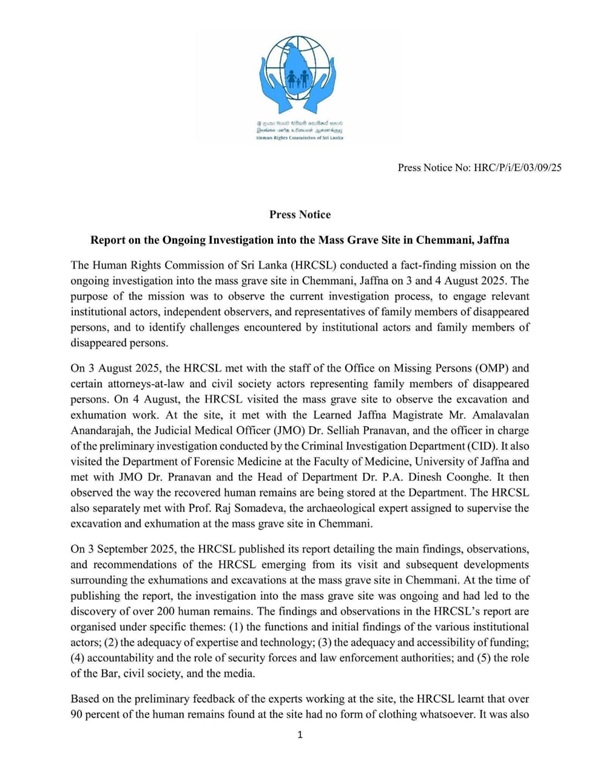
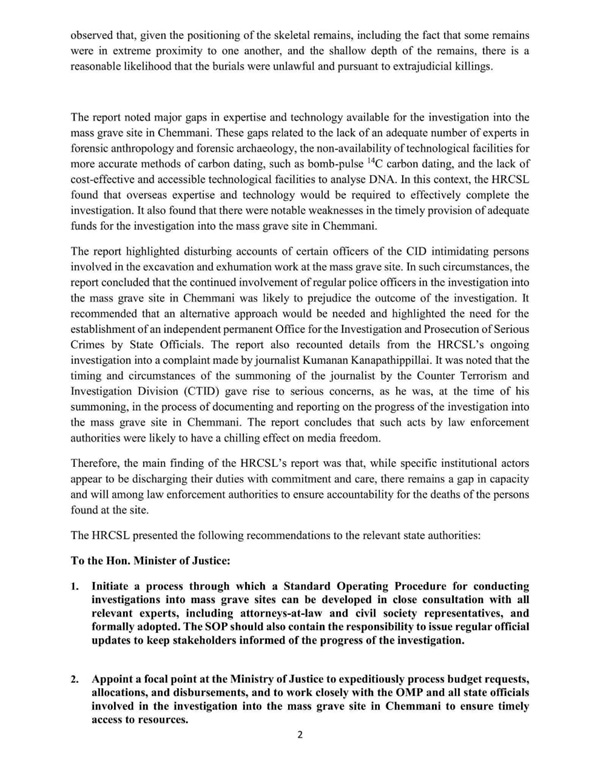
Read the full letter below.

The Chemmani mass grave has become emblematic of Sri Lanka’s entrenched impunity. For decades, Tamil families of the disappeared have demanded truth and justice, insisting that only an international investigation can hold perpetrators to account. Despite repeated UN resolutions and calls from rights groups, successive Sri Lankan governments have refused foreign involvement, insisting instead on domestic mechanisms that have consistently failed to deliver accountability.