
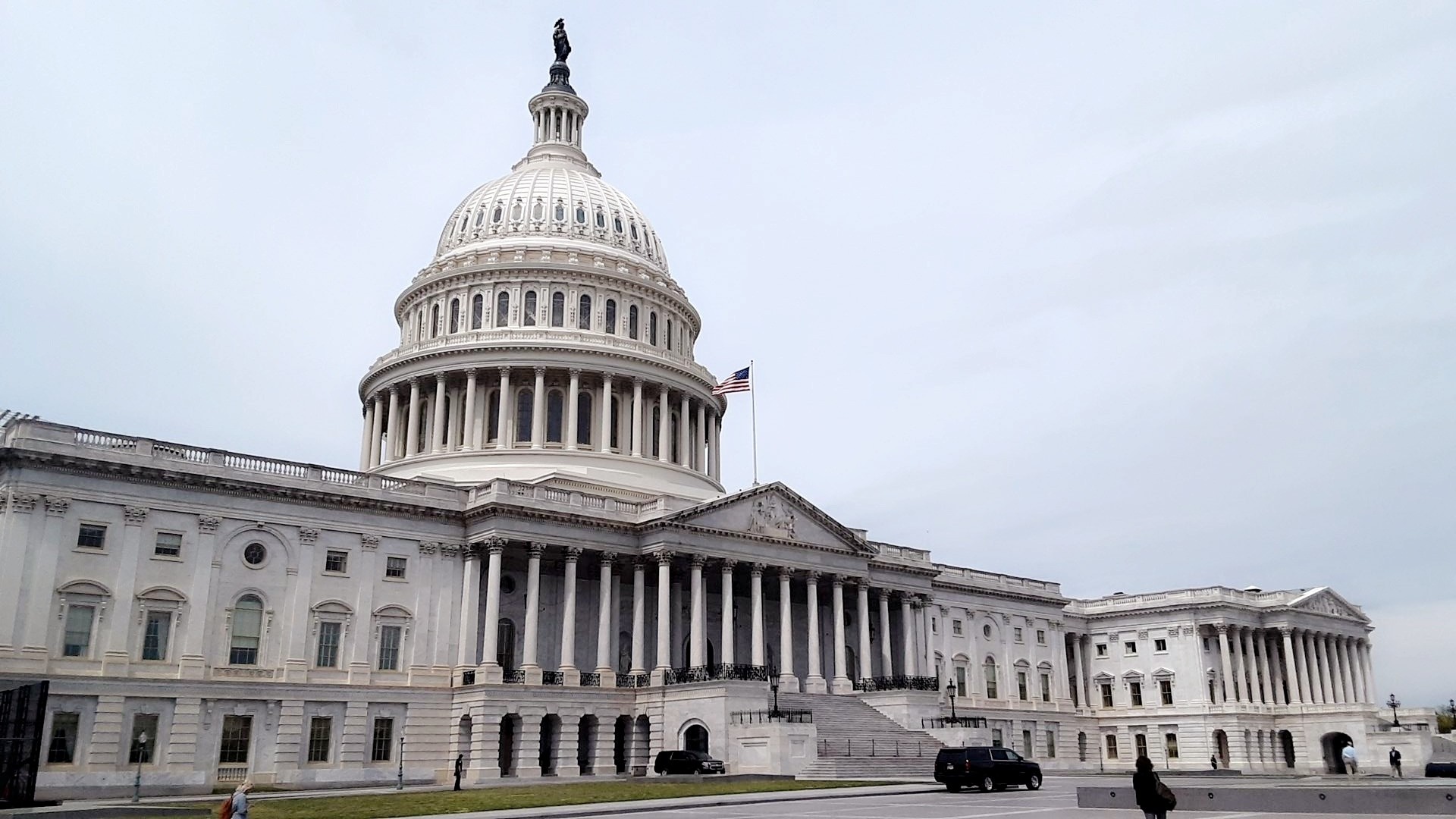
The United States State Department’s 2024 Country Report on Human Rights Practices: Sri Lanka has detailed a litany of human rights violations – from extrajudicial killings and torture to press suppression and prolonged detention – underscoring that the government has taken “minimal steps to identify and punish officials who committed human rights abuses.”
Ongoing intimidation and repression
While Sri Lanka’s constitution provides for freedom of expression, the report notes that authorities “sometimes restricted this right,” with Tamil journalists in the North-East provinces facing “harassment, threats, intimidation, and interference” from security forces.
Incidents included the February 21 threat by army personnel to confiscate the phones of three Tamil journalists covering a temple visit in Jaffna’s so-called “High-Security Zone,” and the June arson attack on journalist Thambithurai Pradeepan’s home. No progress has been made in investigating the latter case.
The State Department noted selective enforcement of hate speech laws and misuse of the ICCPR Act to silence critics. Comedian Nathasha Edirisooriya’s high-profile arrest under the ICCPR Act was ultimately dismissed, but the case underscored the law’s application as a political tool.
Torture and degrading treatment
Despite constitutional prohibitions, torture remains “endemic,” the report states. Between January 2023 and March 2024, the HRCSL received 2,845 complaints of torture and 675 complaints of degrading treatment.
In November, security forces in Jaffna allegedly assaulted several Tamil civilians, including a woman and her two-month-old baby, sparking protests outside the local police station.
Impunity for war crimes
The report noted “little progress” in investigating abuses from decades long armed conflict which killed tens of thousands of Tamils. Families of the disappeared remain without answers.
During July excavations at a mass grave in Kokkuthoduvai, Mullaitivu, forensic archaeologists recovered 52 skeletal remains, believed to be former LTTE cadres, mostly women. Local NGOs reported evidence of gunshot wounds and abuse. Civil society observers said intelligence officers monitored and questioned those present.
Arbitrary detention and misuse of security laws
Despite a claimed moratorium on the Prevention of Terrorism Act (PTA) since 2022, at least 10 arrests were made under the law during the reporting period. As of September, civil society estimated that 42 prisoners remained incarcerated under the PTA, including 14 Tamils detained over alleged LTTE links.
The HRCSL received 838 complaints of arbitrary arrest or detention in the first eight months of the year. Pretrial detainees make up two-thirds of the prison population, with legal processes dragging on for years.
Diaspora proscription and transnational repression
On June 3, the Ministry of Defence renewed its proscription of nine Tamil diaspora organisations and more than 100 individuals, alleging links to terrorism - accusations long rejected by those targeted. This measure continues Sri Lanka’s policy of suppressing Tamil and Muslim activists overseas through bans and surveillance.
Extrajudicial killings and custodial deaths
The State Department reported “credible” accounts of arbitrary killings by state agents, including deaths in police custody. The Human Rights Commission of Sri Lanka (HRCSL) documented seven custodial deaths between January and August.
A pattern of so-called “encounter killings” was highlighted, with civil society warning these incidents fit a long-standing extrajudicial trend. On March 10, former army commando Kalahara Dilshan was killed after police claimed he attempted to escape during a weapons recovery operation. Rights groups point to HRCSL’s 2023 General Guidelines and Recommendations to police as evidence that such killings persist despite official directives.
Entrenched impunity
The State Department’s findings reinforce the picture long painted by Tamil civil society, the UN, and rights groups: systemic abuses persist, accountability is absent, and security forces continue to act with impunity.
Despite repeated calls for reform the report concludes that the Sri Lankan government has made “minimal steps to identify and punish officials” responsible for rights violations, leaving survivors and victims’ families without justice.
Read the full text of the report here.