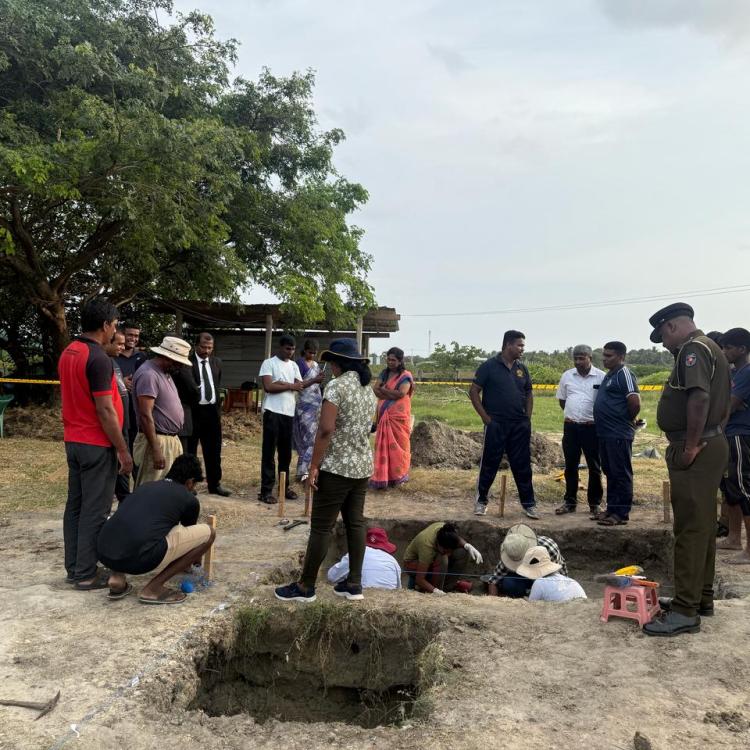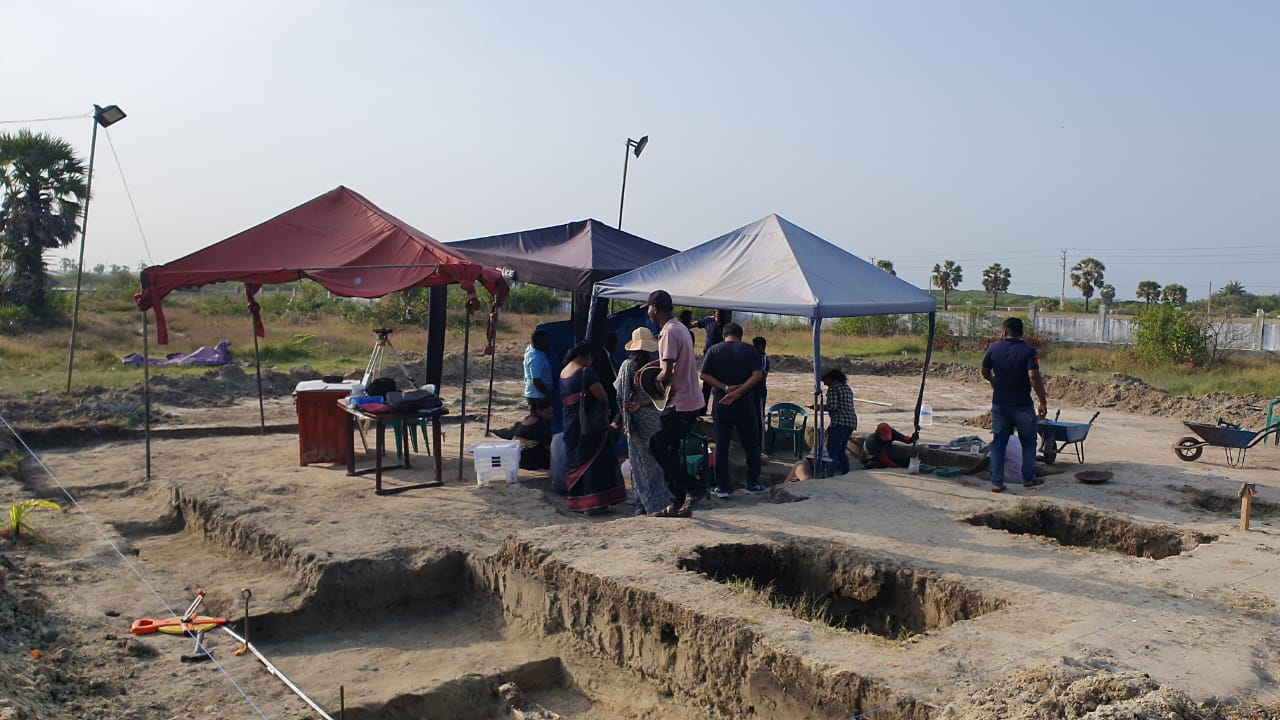
The Jaffna University Teachers’ Association has called for the continued and uninterrupted exhumation of human remains at the Chemmani mass grave, stating that the process must not be hindered under any circumstances.
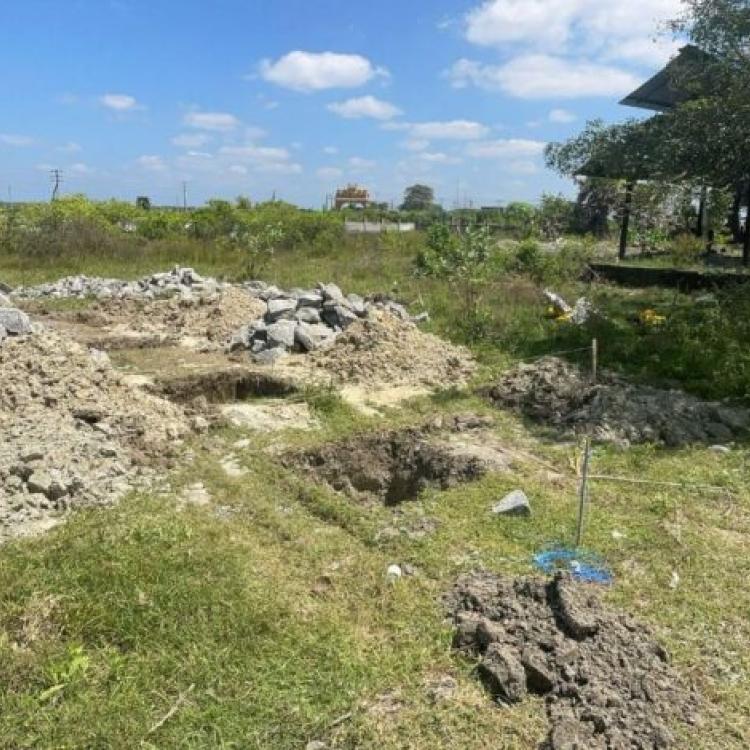
In a press release issued this week, the Association underscored the significance of the Chemmani site in uncovering long-suppressed truths regarding mass atrocities committed against Tamils. The site, located in the Jaffna peninsula, was brought to international attention in the late 1990s following testimony from a Sri Lankan soldier, who admitted that hundreds of Tamils had been killed and buried in the area by the military.
The statement pointed to decades of systematic repression, ethnic pogroms, extrajudicial killings, and enforced disappearances.
Among these abuses, the Association said, “those that demand special attention even today are the continued detention of political prisoners under the PTA law, and the unresolved status of the disappeared persons.” It added, “of these, the stories of the disappeared cause the greatest pain and suffering.”
The Association noted that during the period when Jaffna’s Kudhanadu area was under military control, many individuals who went missing remain unaccounted for, a tragic reality mirrored during the final stages of the armed conflict in Mullivaikkal. Families of the disappeared, they said, have been searching for answers for decades.
Despite repeated attempts to silence or erase the truth in the post-war years, the Chemmani mass grave has resurfaced as a key symbol of these long-buried atrocities. The Teachers’ Association welcomed the current exhumation process, which is being conducted under the judicial system, and called for it to be “strengthened.”
They stressed the need to determine “the full extent and continuity of the mass graves,” and insisted that excavations “must not be halted under any circumstances.”
The statement further called for the immediate release of sufficient funding for the exhumation process, the provision of adequate police protection at the site, and guarantees that those involved in the work are not subjected to any form of intimidation or pressure.
“The current government bears the unwavering responsibility to act decisively and without delay on these critical issues,” the Association concluded.
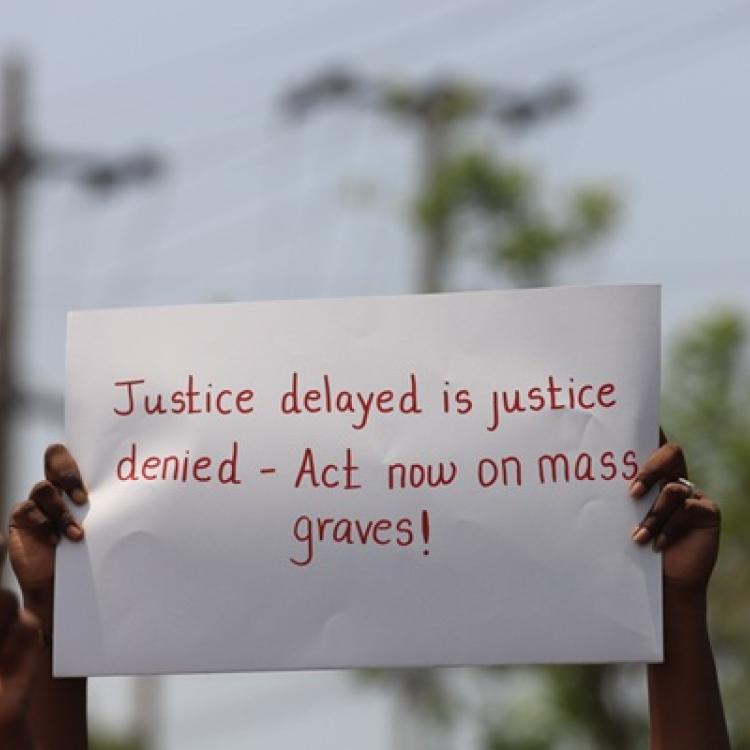
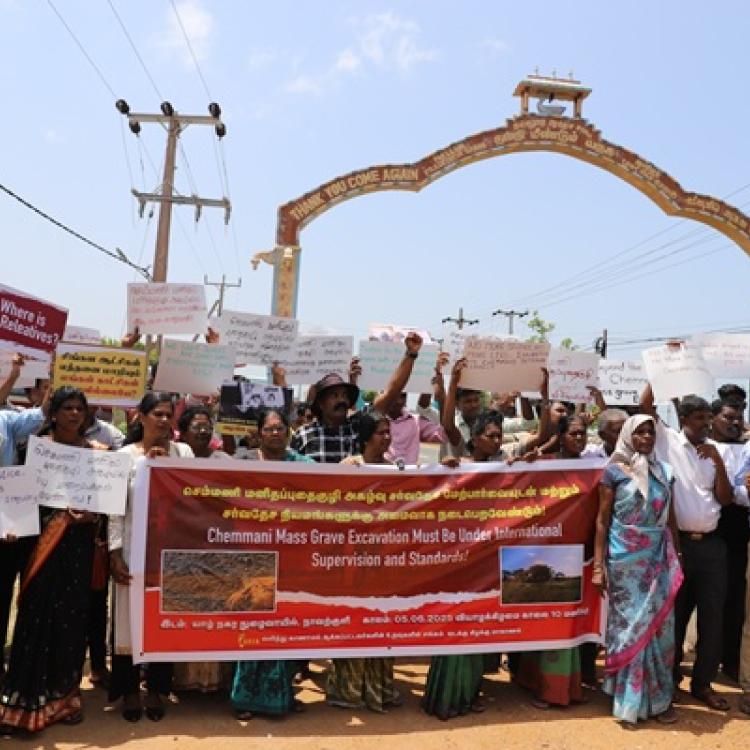
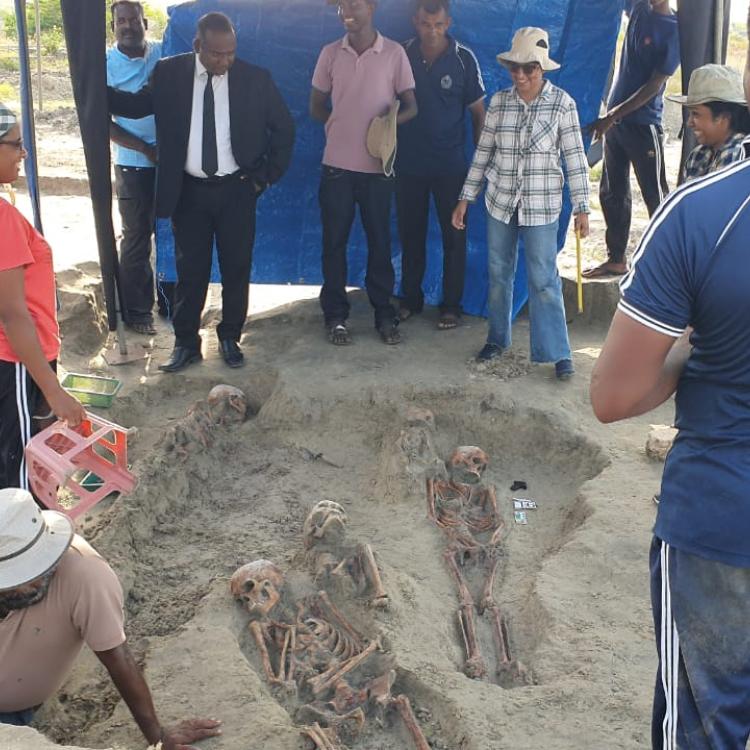
The latest excavations at Chemmani have uncovered at least 19 skeletons, including the remains of children, sparking fresh calls for international involvement and justice. Tamil families, activists, and civil society organisations have launched protests in Jaffna this week to coincide with the visit of United Nations High Commissioner for Human Rights, Volker Türk. Among their demands is for the exhumation to be placed under international supervision.