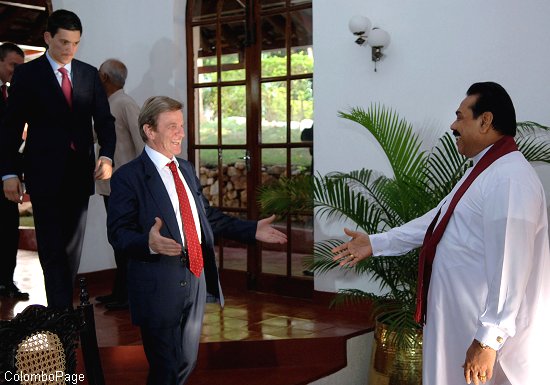
File photograph: Miliband and French foreign minister Bernard Kouchner meet Mahinda Rajapaksa in 2009.
Britain’s former foreign secretary David Miliband tweeted that he wished the UK “could have done more” on Sri Lanka, as a fellow Labour parliamentarian visited the UN Human Rights Council this week.
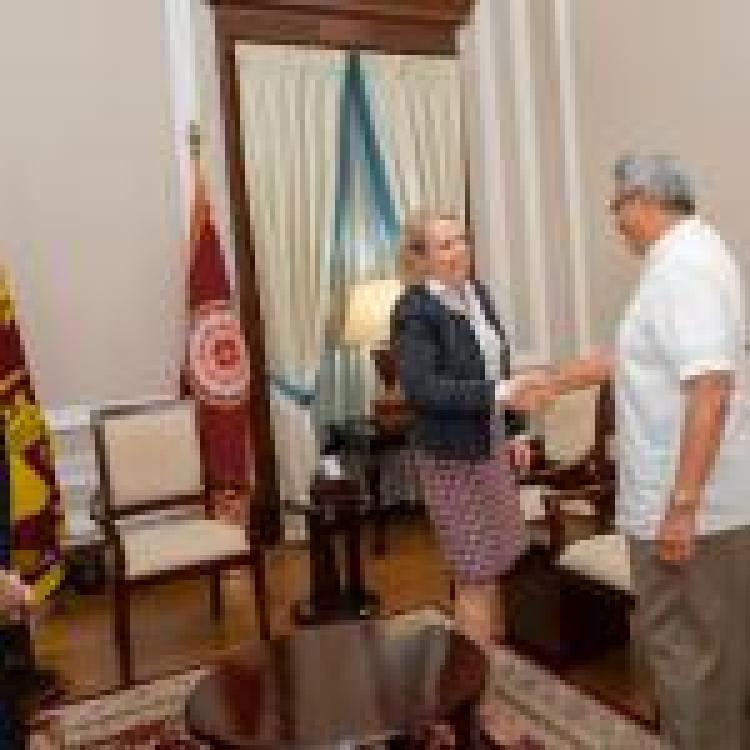
Labour MP Wes Streeting, highlighted the "widespread concerns" over Sri Lankan President Gotabaya Rajapaksa retracting from Colombo's commitments made at previous UN Human Rights Council sessions and emphasised the need to bring "people to justice for historic war crimes and atrocities committed during the Sri Lankan civil war."
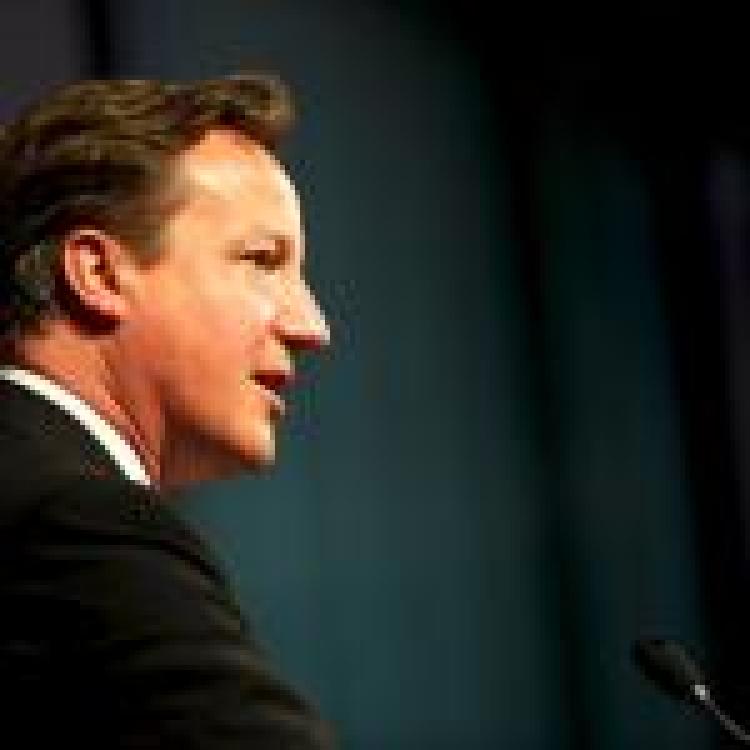
"There are real concerns about the human rights situation in Sri Lanka today, particularly for the Tamil and Muslim minority communities," he added in a statement, during his visit to Geneva for the UN Human Rights Council meetings yesterday. Streeting insisted he will "work with other MP's to make sure that the UK continues to show the global leadership to help keep human rights on the agenda" and pointed out the difference that global leadership can make by citing former Foreign Secretary David Miliband and former UK Prime Minister David Cameron as examples.
Miliband tweeted a reply to Streeting, last night saying;
"My visit to Sri Lanka towards end of the civil war (2009) was searing.
I can see vividly today the Tamil woman waving a slip that was the only proof her husband has been taken away for “questioning” & not seen again. I wish we could have done more."
Miliband, during his time as the UK foreign secretary, called for Sri Lanka to draw a truce and ceasefire with the LTTE to allow civilians trapped to escape, which were ignored by the Sri Lanka government. He described the conflict zone “as close to hell as you can get”. Furthermore, his engagement in Sri Lanka's political affairs and "unnecessary" visits were condemned by then defence minister Gotabaya Rajapaksa. "We're just wasting our time with these dignitaries and VIPs coming to this country over and over again because of your internal problem to satisfy their [Tamil] diaspora," said Rajapaksa at the time.
At the time, hundreds of thousands of British Tamils marched on the streets of London, calling on the government to take concerted action to stop the massacres. Tens of thousands of Tamil civilians were killed in the offensive, which saw hospitals shelled, widespread sexual violence and surrendering Tamils executed
Miliband said he was “appalled by the reports that have come out of Sri Lanka over the weekend of mass civilian casualties”, at a press conference at the United Nations in New York during the final weeks of the war.
“No-one can be in any doubt that this is an issue that deserves the international community's attention,” he added, saying that “Our message is a simple one which is that the killing must stop”. However, Miliband claimed that there were only “up to 50,000” people trapped in the final conflict zone. Later estimates revealed the actual number to be as many as three times that.
He went on to state,
“As you know, the issue [Sri Lanka] has not yet been allowed onto the formal UN Security Council agenda. That's why we will be having a range of meetings either side of today's formal meeting on the Middle East.”
“I believe very very strongly that the civilian situation in the North East of Sri Lanka merits the attention of the United Nations at all levels.”
A leaked US embassy cable says that Miliband referred to the government in Sri Lanka as "liars".
Former UK Prime Minister David Cameron called for Sri Lanka to be investigated for war crimes, however, no one has been held accountable so far.