
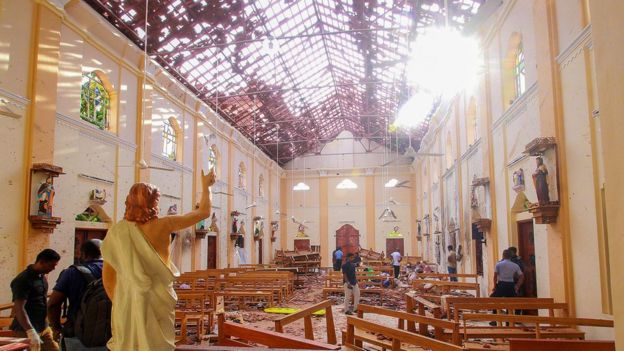
Sri Lanka’s National Police Commission (NPC) has dismissed former State Intelligence Service (SIS) chief and Deputy Inspector General of Police Nilantha Jayawardena from service, following a disciplinary inquiry into his role in the 2019 Easter Sunday bombings that killed more than 270 people.
The decision, announced by the NPC in a statement, marks the most senior dismissal to date over the coordinated suicide bomb attacks carried out by members of the Islamist extremist group National Thawheed Jamaat, which targeted churches and luxury hotels across the island in 2019.
"It was decided at the meeting of the police commission held on July 17 to order the immediate dismissal from police service of the Senior Deputy Inspector General of Police, Nilantha Jayawardena," the NPC said.
Jayawardena, who headed the SIS at the time of the attacks, was placed on compulsory leave in July 2024, pending the outcome of the internal disciplinary inquiry. The commission has now found him guilty on all counts of negligence outlined in the chargesheet. He has also been ordered to pay Rs. 75 million in compensation to the victims of the attacks.
His dismissal follows a 2023 ruling by the Supreme Court of Sri Lanka which held multiple senior officials, including former Sri Lankan president Maithripala Sirisena, former Defence Secretary Hemasiri Fernando, former National Intelligence Chief Sisira Mendis, and Jayawardena himself, responsible for violating the Fundamental Rights of the victims by failing to act on prior intelligence that could have prevented the attacks. Sirisena was ordered to pay Rs. 100 million in compensation.
Last week, Sri Lankan Prime Minister Dr Harini Amarasuriya said legal action would be taken against any official found to be complicit in the Easter Sunday attacks, even if they currently serve in the incumbent administration. The remark came in response to an oral question raised by Member of Parliament Chaminda Wijesiri.
Amarasuriya’s comments come amid continued criticism of the lack of prosecutions stemming from the attacks, and heightened pressure from both domestic and international actors for Sri Lanka to demonstrate genuine accountability.
The Easter Sunday attack is widely seen as a result of intelligence failures, with officials accused of ignoring multiple warnings from both local and foreign intelligence agencies in the days leading up to the attack.
Earlier this month, Sri Lanka’s Leader of the House Bimal Rathnayake alleged that the extremist climate that culminated in the Easter Sunday attacks was “deliberately cultivated” to facilitate the political return of the Rajapaksa regime, which had lost power in 2015.