
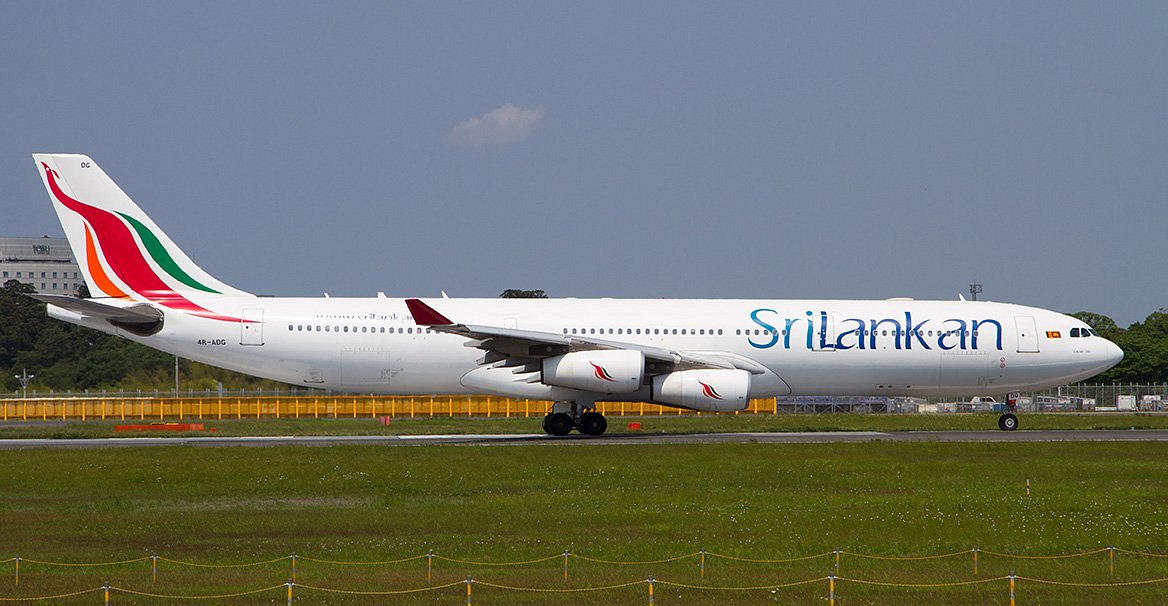
SriLankan Airlines is set to suffer losses exceeding US$230 million after a fleet of Airbus A320neo aircraft acquired with CFM LEAP engines was grounded for years due to design defects, Sri Lanka’s Minister of Ports and Civil Aviation Anura Karunathilaka has revealed.
Speaking in Parliament, the minister said the airline has already lost US$60 million after six A320 variants purchased in 2018 were taken out of service following persistent engine failures linked to CFM’s LEAP model. SriLankan began negotiating for the A321neo aircraft in 2017 and finalised agreements in 2018, opting for engines that have since faced global scrutiny for reliability issues.
By 31 October this year, the six aircraft had been grounded for a cumulative 131 months. “One of these aircraft is still not flying,” the minister said. “During this time, without any revenue, 60 million had to be paid for these aircraft.”
The situation worsened due to what Karunathilaka described as the absence of a proper maintenance agreement when the aircraft were leased. As a result, the airline was forced to spend US$71 million on engine repair and upkeep. Forecasts now indicate a further US$171 million will be required in the coming years. “This burden falls on the entire nation,” the minister said, highlighting the impact on public finances at a time of economic hardship.
In 2025 alone, SriLankan Airlines recorded an operating loss of US$29 million, of which US$23 million were maintenance costs. The minister noted that while the airline typically procures aircraft with Rolls Royce engines, the 2018 procurement deviated from this practice. At the time, Rolls Royce had exited the narrow-body engine market, leaving CFM and Pratt & Whitney as the available suppliers.
Sri Lankan authorities are not alone in facing difficulties. Airlines globally have grappled with problems affecting both the CFM LEAP and Pratt & Whitney’s PW1000 (GTF) engines. As of November 2025, industry estimates suggest that roughly half of all A320neo aircraft fitted with GTF engines — around 1,200 aircraft — are grounded worldwide due to severe durability issues and lengthy repair timelines.
The shortage of serviceable engines has fuelled a secondary market in which working Pratt & Whitney engines reportedly command leasing fees of up to US$200,000 per month. Some operators have resorted to stripping new A320neo aircraft for parts because it is more profitable than keeping them grounded.
Industry analysts argue that years of high oil prices and a drive for extreme fuel efficiency pushed engine manufacturers towards aggressive innovation at the expense of long-term durability, creating cascading operational and financial crises for carriers across the world, with SriLankan Airlines now among the worst affected.