Sri Lanka’s Tourism Promotion Bureau has threatened legal action against tourists who post videos or comments online that damage the country’s reputation – even when the content highlights genuine incidents where tourists have been sexually harassed or threatened.
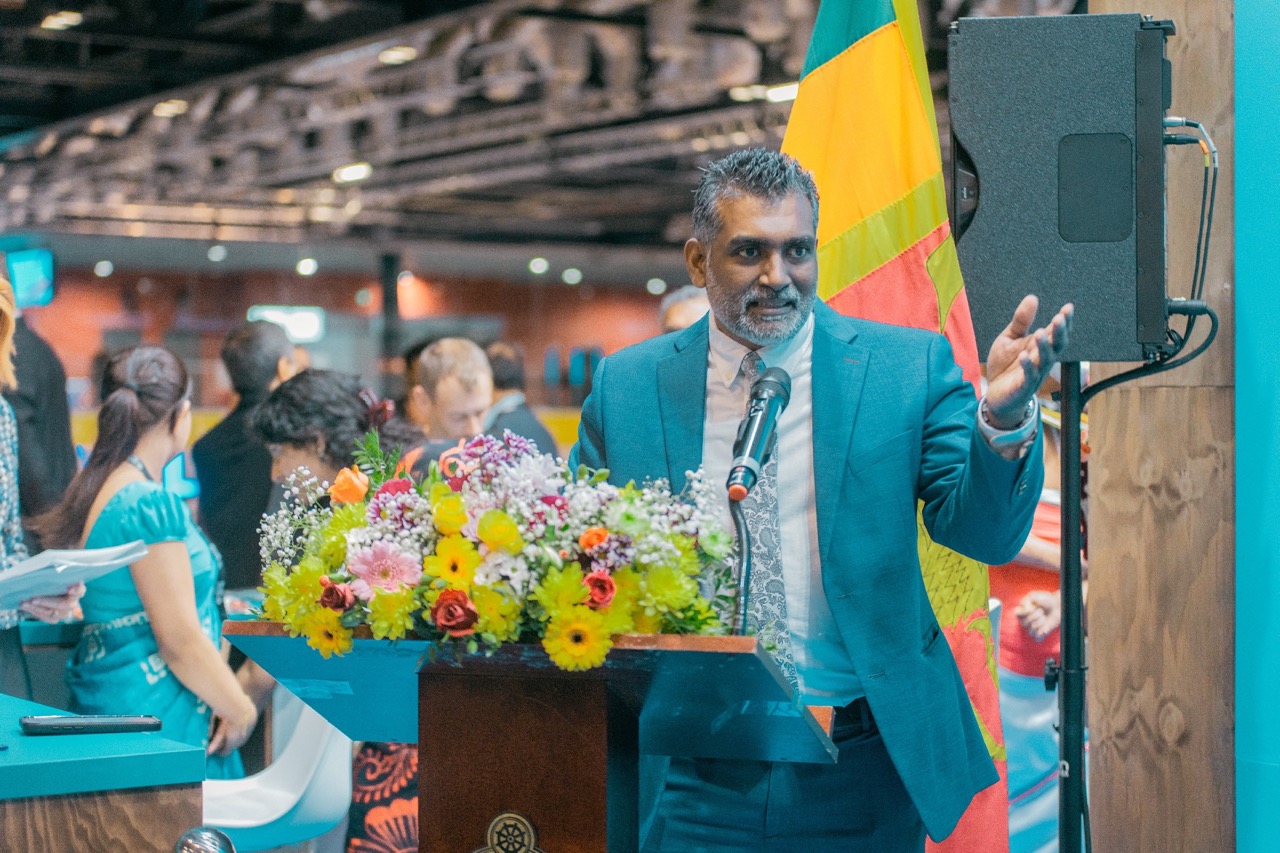
Various Colombo outlets reported yesterday that the Tourism Promotion Bureau Chairman Buddhika Hewawasam had stated that the bureau is actively monitoring social media for content shared by tourists, and has already taken steps to have posts removed.
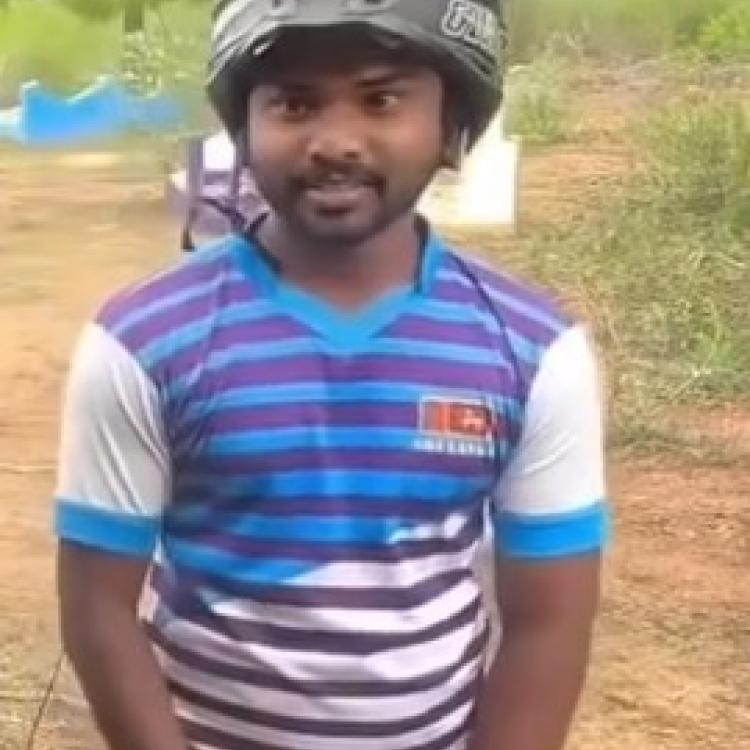
The most recent case involved a video posted by a tourist that showed an argument between them a local resident while playing snake in the Weligama tourist sea zone. This particular video, which went viral on social media platforms, was quickly flagged by the Bureau, and subsequently removed.
Another video – in which a foreign woman described being sexually harassed – also drew government concern. According to local media reports, authorities focused primarily on the potential damage to Sri Lanka’s tourism image rather than publicly acknowledging or addressing the seriousness of the allegation itself, treating the posting of the footage as more problematic than the assault.
Hewawasam stressed that in future the Sri Lankan government will not hesitate to pursue legal action against foreign nationals whose online posts are judged to harm Sri Lanka’s tourism image. He did not specify what legal mechanisms or legislation such action would rely upon, but the warning suggests an expanded willingness to use state authority to monitor and police tourist speech online.
Tourism has become a critical industry for Sri Lanka's as it continues its attempts to recover from an economic crisis that devastated state finances, foreign reserves and living standards in recent years. The country has been making significant effort to portray itself as a cheap and safe tropical destination, with paid social media promotion as a key strand of marketing, but has been struggling in the face of negative publicity from tourists as well as problems with its loss-making national airline and serious concerns about road safety following over 1,800 road deaths in the first three quarters of this year alone.
Last year the Sri Lankan parliament passed the widely derided Online Safety Act. The Online Safety Commission established as a result has wide ranging powers, including blocking access to internet service providers, panelising individuals making "prohibited statements" and holding social media platforms liable for content. Contravention with the act carries the threat of criminal penalties, including fines and jail terms.