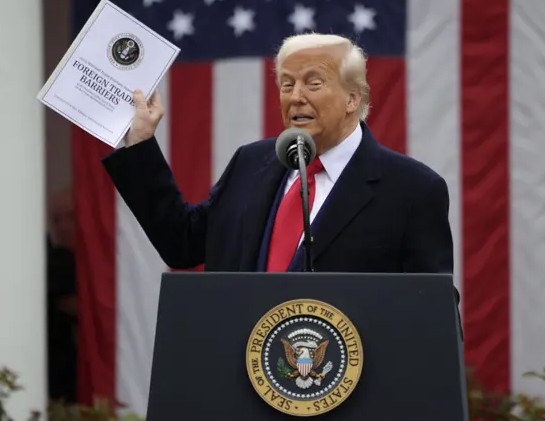
The United States has announced a 30% tariff on Sri Lankan exports, a move that could severely impact the island’s crucial apparel industry, as officials in Colombo scramble to negotiate a reduction ahead of the 1 August deadline.
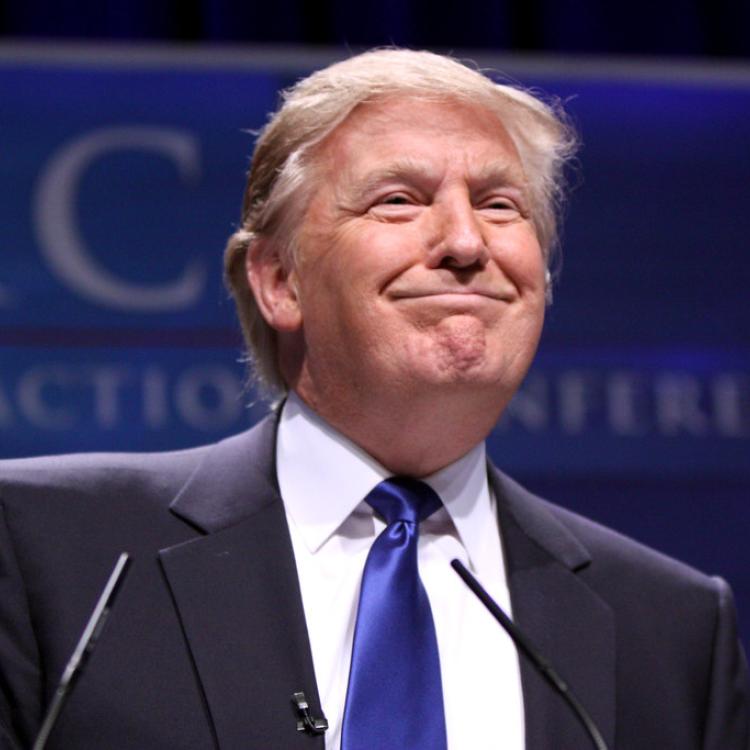
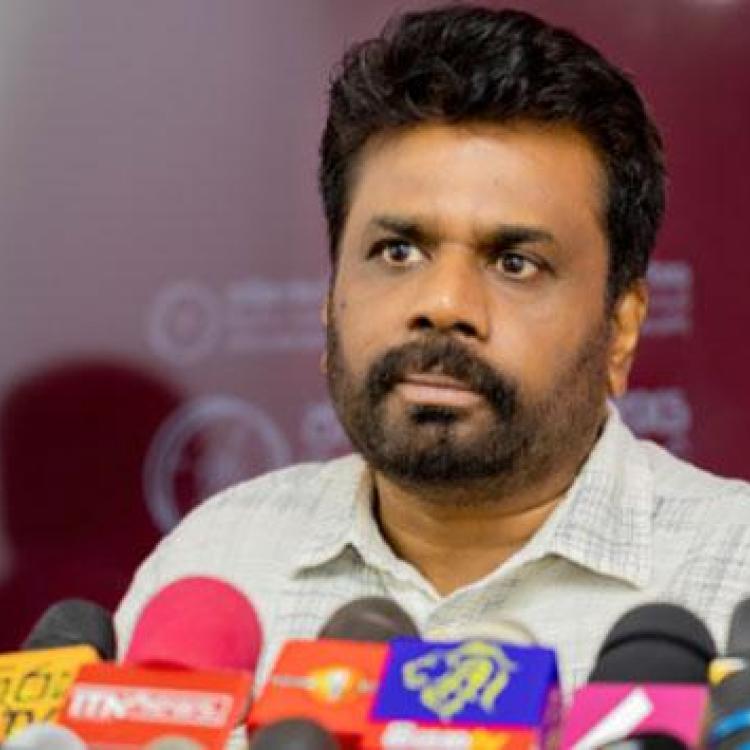
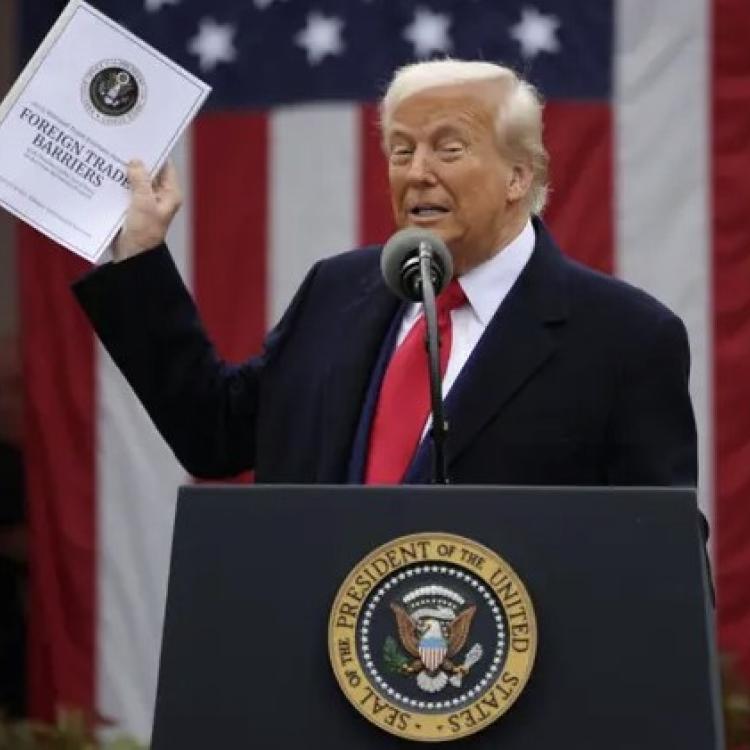
In a letter sent to Anura Kumara Dissanayake, US President Donald Trump said the decision to impose the tariff was driven by persistent trade deficits and Sri Lanka’s trade policies.
“We have had years to discuss our trading relationship with Sri Lanka,” wrote Trump. “Our relationship has been, unfortunately, far from reciprocal.”
.jpg)
.jpg)
The tariff, while lower than the initial 44% floated in April, remains significantly higher than that of Sri Lanka’s regional competitors. Vietnam, for example, will face just a 20% tariff, while Bangladesh will be hit with 35%.
The United States has accounted for about 40% of Sri Lanka's apparel exports. Last year, they were worth about $1.9 billion. Sri Lanka's apparel exports to the United States in the first five months of 2025 alone were $747 million. The exports are reportedly the country's third largest source of foreign currency.
Industry leaders have raised the alarm. “If this is the end number, Sri Lanka is in trouble,” said Yohan Lawrence of the Joint Apparel Associations Forum (JAAF), speaking to Reuters. “Our competitors, such as Vietnam, have received lower tariffs.”
The apparel industry is one of Sri Lanka’s largest foreign exchange earners and employs over 300,000 people. According to JAAF data, Sri Lanka’s apparel exports to the US in the first five months of 2025 stood at $747 million.
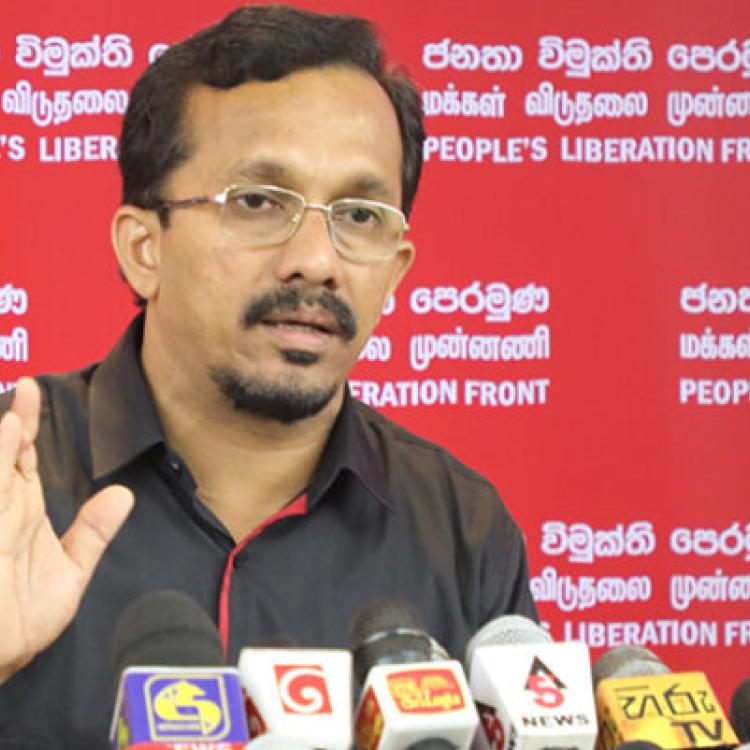
Despite the looming threat, officials have adopted a cautious tone. Treasury Secretary Harshana Suriyapperuma confirmed that discussions with Washington are ongoing. “There is a time period that has been provided until August 1,” he said. “Our approach is to make use of this time… and have a mutual beneficial outcome.”
Central Bank Governor Nandalal Weerasinghe echoed the sentiment. “We are satisfied with the progress from 44% to 30%, but we need to make more progress,” he told reporters at a press briefing.
Senior Advisor to the President, Duminda Hulangamuwa, added that Colombo would not retaliate by imposing tariffs on US goods. “We remain committed to maintaining stable and cooperative trade relations,” he said. “We have no intention of responding with similar measures,” he added.
However, the opposition has strongly criticised the government’s handling of the negotiations. “The 30% US tariff on Sri Lankan exports is the price we pay for poor negotiation,” said opposition leader Sajith Premadasa. “Nearly USD 3 billion in exports hangs in the balance.”
The International Monetary Fund (IMF) recently warned that global trade policy uncertainties pose significant risks to Sri Lanka’s macroeconomic and social stability, even as it maintained a broadly positive outlook for the country.
With the 1 August deadline approaching, Sri Lanka’s ability to negotiate a further reduction in tariffs may prove critical for the future of its export sector.